
Sheet metal fabrication plays a vital role in achieving industrial success, allowing companies to enhance efficiency using precision engineering and innovative technology. Automation in these processes streamlines operations, reduces lead times, and increases accuracy, which can lead to considerable cost savings.
Custom sheet metal fabrication empowers businesses to develop tailored products that fulfill unique regulatory requirements and cater to specialized market demands, resulting in increased customer satisfaction. By designing for durability and optimal functionality, companies can boost reliability and minimize return rates.
The aerospace sector is a significant user of sheet metal fabrication, especially for essential components that must adhere to strict safety and performance standards. Lightweight materials are often preferred to enhance fuel efficiency. Thanks to advancements in materials and fabrication methods, the creation of intricate shapes that improve aircraft performance is now possible.
In construction, sheet metal fabrication adds both visual appeal and structural integrity to buildings. Prefabricated components, in particular, have gained popularity due to their strength and versatility. They often facilitate quicker assembly while ensuring adherence to building codes.
Selecting the right sheet metal fabrication partner is critical for project success. Professionals should evaluate experience, portfolio, and specialization in materials to discern a fabricator’s reliability and commitment to quality. Additionally, quality control measures and certifications, like ISO, serve as crucial indicators of a provider’s compliance with industry standards.
Automation is currently reshaping sheet metal fabrication by boosting production rates and precision, enabling businesses to enhance output without compromising quality. The adoption of data-driven decision-making further elevates operational efficiency.
As sustainability becomes increasingly mandatory in sheet metal fabrication, companies are now focused on reducing waste, sourcing materials responsibly, and utilizing energy-efficient technologies. Embracing sustainable practices can provide significant cost benefits while enhancing a company’s brand appeal in an eco-conscious market.
Table of Contents
The Competitive Edge of Sheet Metal Fabrication
Unleashing Efficiency through Precision Engineering
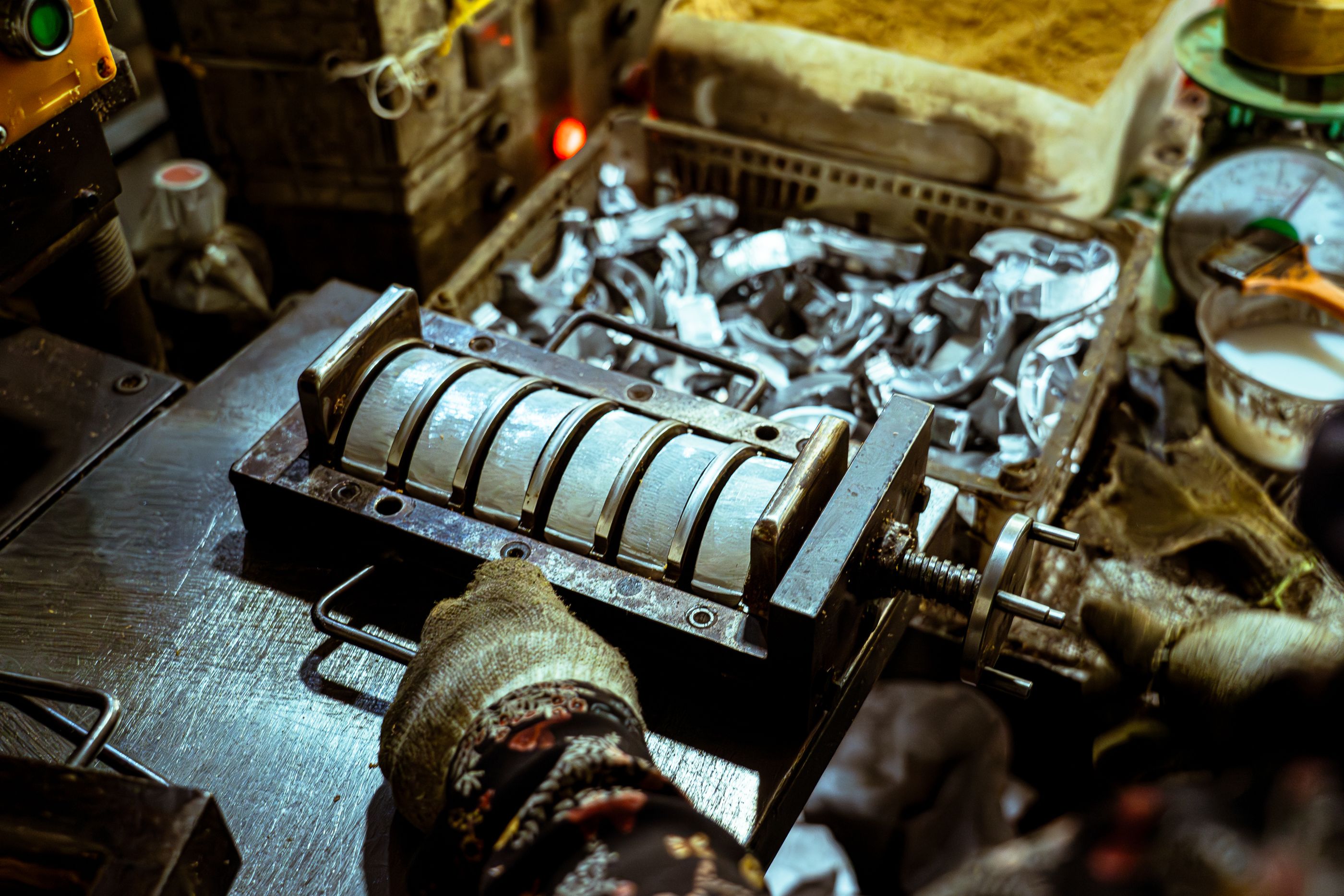
In today’s fast-paced world, sheet metal fabrication stands out as a critical element of industrial success. Precision engineering is more than just a catchphrase; it’s essential for seamless manufacturing processes. Businesses that leverage advanced sheet metal fabrication capabilities often experience impressive efficiency gains. An optimized fabrication process can dramatically cut lead times, enabling companies to respond to market demands swiftly.
What factors make precision engineering so important? It’s all about detail. Experts understand that thin tolerances and exact dimensions can drastically affect a product’s performance. Even a small error can accumulate, affecting functionality and costs. The rise of automation in this field has introduced machines that replicate designs with impeccable accuracy.
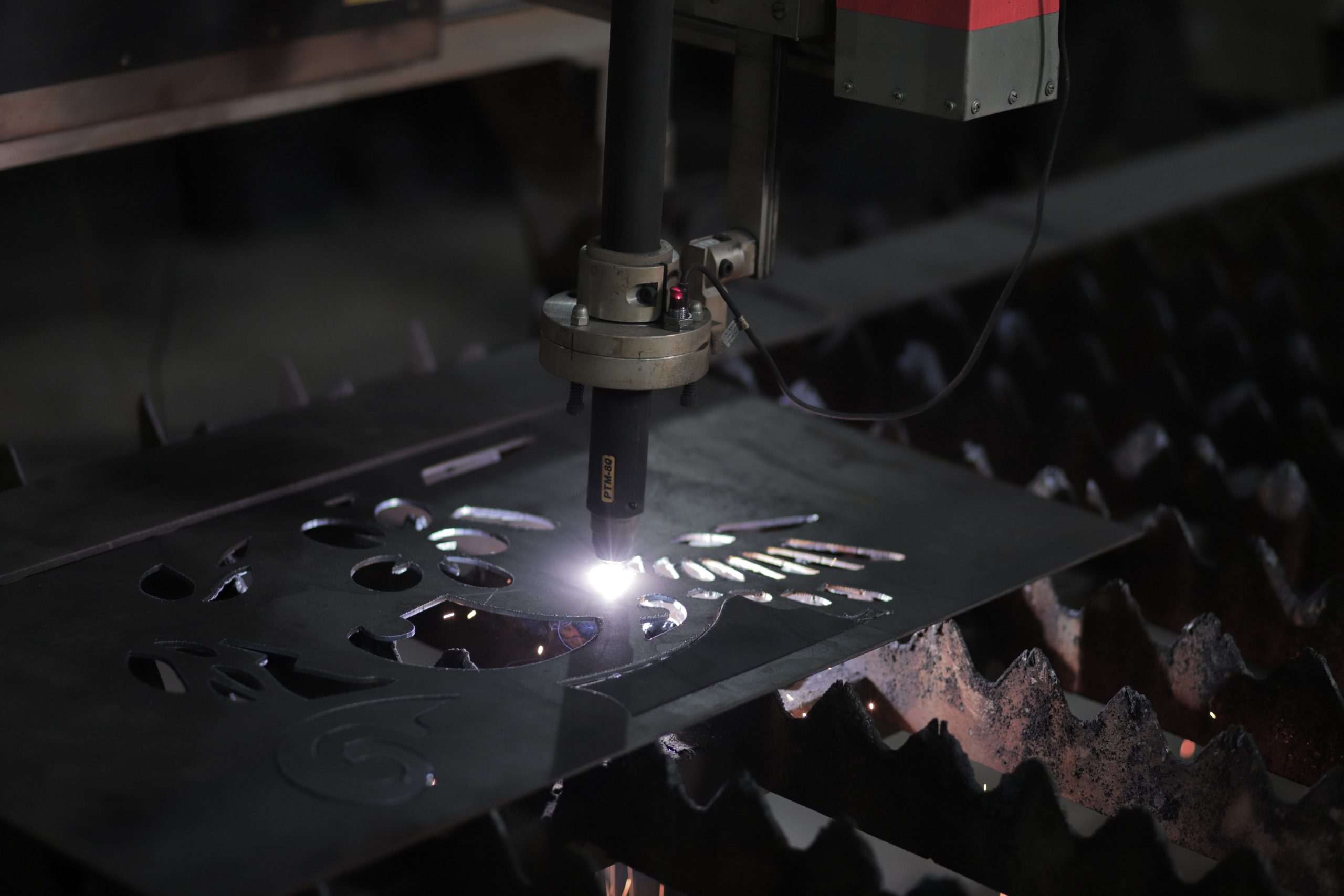
Through the use of cutting-edge technology like laser cutters and CNC machines, manufacturers can significantly streamline their operations. This technology not only boosts accuracy but also lowers the probability of human error. Clients often recognize how such advancements lead to long-term cost savings.
How Custom Fabrication Raises Product Quality
Aiming for quality should be the standard, not just a goal. Custom sheet metal fabrication is the solution for businesses striving for high standards. By offering bespoke solutions tailored to unique specifications, companies can innovate without restrictions. This approach often involves producing parts that fulfill specific regulatory needs or cater to niche markets.
- Enhanced Durability: Products that are custom-fabricated can utilize superior materials and finishes, substantially increasing their lifespan.
- Targeted Performance: Each part can be crafted to function optimally under designated conditions, which greatly improves product reliability.
- Design Flexibility: Designers are free to explore imaginative concepts that typical mass-produced models can’t accommodate.
The outcome? Increased customer satisfaction and lower return rates. Innovations arising from custom fabrication frequently lead to unique market offerings, allowing brands to distinguish themselves from competitors.
Critical Applications of Sheet Metal in Various Industries
Innovative Uses in the Aerospace Sector
The aerospace industry depends on sheet metal fabrication for both safety and performance. Aircraft components, whether they’re fuselage skins or complex engine parts, underscore the necessity of precision and material qualities in aviation. With stringent industry regulations, manufacturers must adhere closely to specifications for each component.
Interestingly, the preference for lightweight materials is rising to maximize fuel efficiency. Aluminum alloys are frequently used, although advancements in composite materials are becoming more prevalent. These innovations help address the aerospace sector’s demanding performance criteria.
- Structural Integrity: Each part must endure rigorous stress examinations and varying environmental conditions.
- Weight Reduction: Smart design optimizations contribute to reducing an aircraft’s overall weight, thereby enhancing fuel efficiency.
- Complex Shapes: Modern fabrication techniques enable the creation of intricate shapes that traditional methods simply can’t replicate.
In this context, precision fabrication is not merely optional; it’s essential for meeting the exacting standards of safety regulations and customer expectations alike.
Transforming Construction Projects with Fabricated Metal Solutions
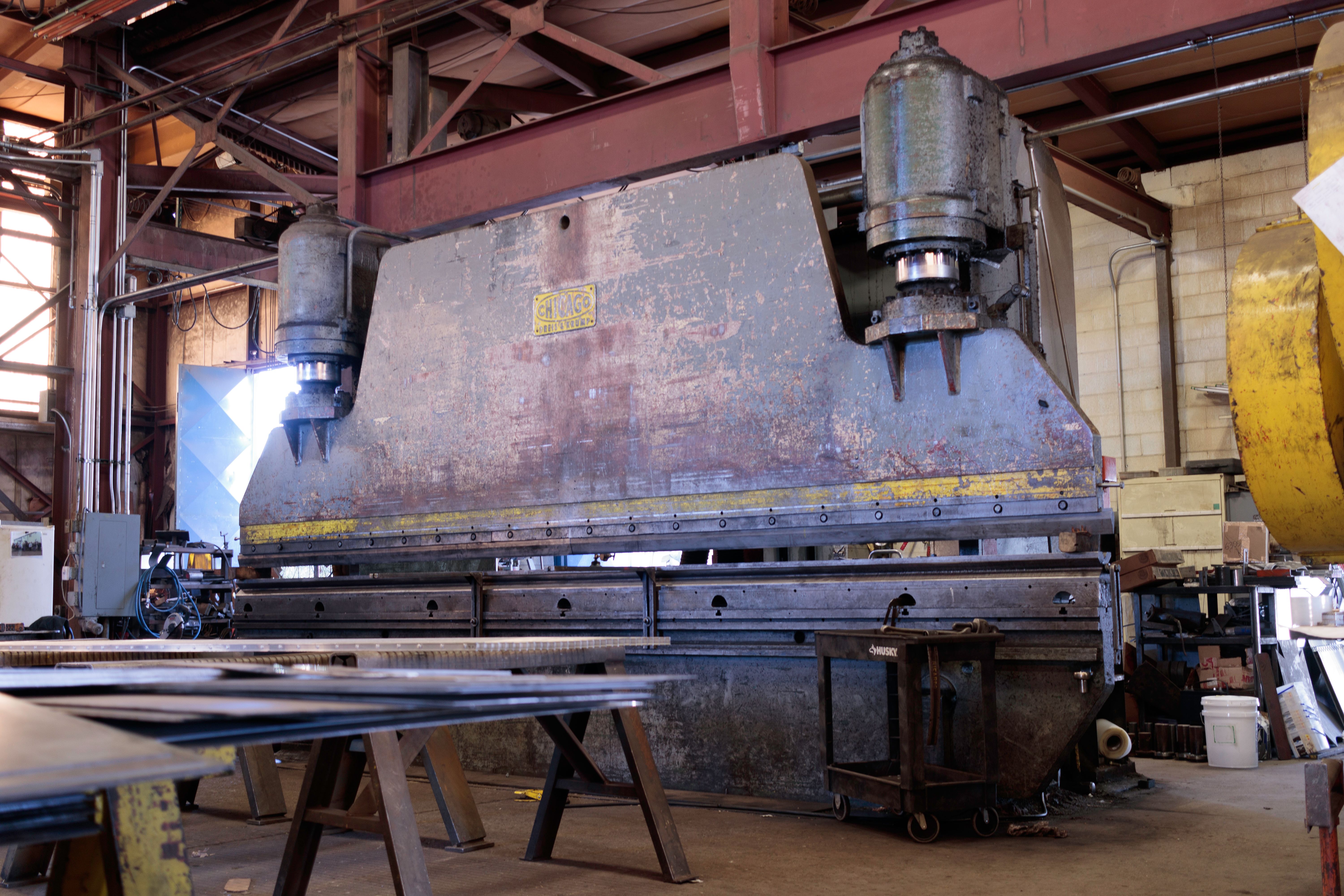
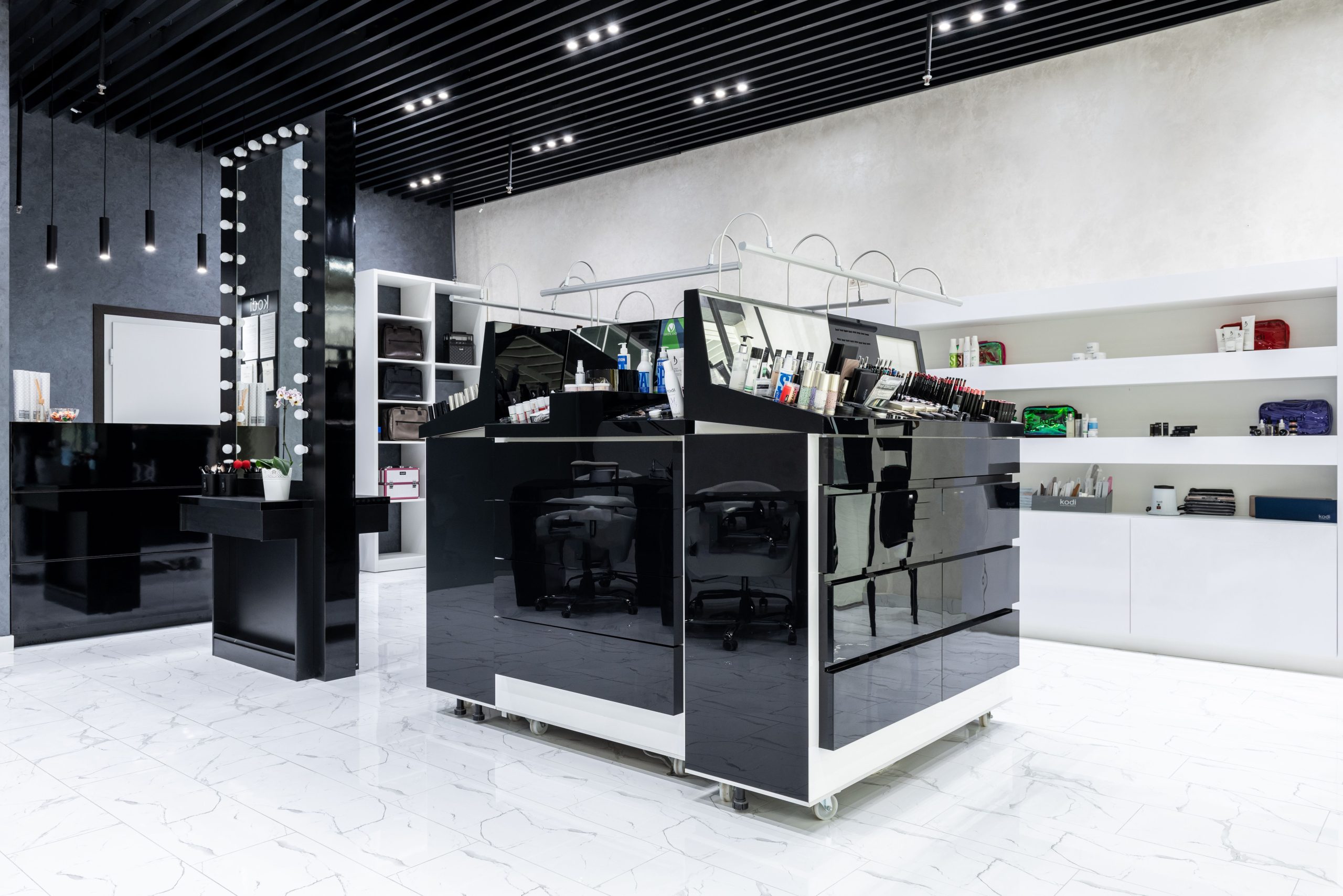
In construction, sheet metal fabrication is revolutionizing the industry. It contributes to buildings’ aesthetic appeal and structural integrity. Fabricated metal components are widely used in framing, roofing, and various architectural details. They significantly enhance both the longevity and energy efficiency of structures.
A report from the National Association of Home Builders indicated that over 30% of construction projects now utilize prefabricated components.
So why are builders gravitating towards these manufactured components? The versatility and strength of these materials allow builders to utilize them strategically across numerous projects. Prefabricated items speed up assembly times while ensuring compliance with building codes.
- Aesthetic Freedom: Designers can create remarkable facades that push the boundaries of creativity.
- Time Efficiency: By reducing onsite labor through pre-fabrication, project completions are expedited.
- Cost Savings: Fewer mistakes and minimized material waste contribute to improving project profitability.
As methods of construction evolve, the incorporation of fabricated materials is likely to gain momentum, especially among those proficient in utilizing such solutions.
Choosing the Right Sheet Metal Fabrication Partner
Key Questions to Ask Potential Fabricators
Identifying the ideal sheet metal fabrication partner calls for careful consideration. This decision can dramatically influence a project’s outcome. Prospective clients should ask essential questions to assess each candidate’s capabilities. Choosing wisely is likely to yield long-term benefits, enhancing confidence in the entire fabrication process.
- What is your experience level? Length of time in the industry can be a strong indicator of reliability and expertise.
- Can you provide examples of past work? Reviewing a portfolio sheds light on a fabricator’s strengths.
- What materials do you specialize in? It’s crucial to ensure a fabricator aligns with specific project requirements.
These questions help clients evaluate both technical capabilities and the company’s dedication to quality and customer service.
Evaluating Quality Control Practices and Certifications
Quality control is not merely about ensuring that products meet specifications; it also serves to lower risks. Selecting a provider with robust quality control practices is paramount. Certifications can act as a benchmark to assess a fabricator’s compliance with standards. For example, ISO certifications signify a commitment to quality and ongoing improvement.
- Inspection Methods: Inquire about their testing processes and quality assurance practices.
- Reviews and References: Speaking with past clients can uncover strengths and weaknesses that may not be evident in a sales pitch.
- Continuous Improvement Programs: A focus on evolving practices indicates a progressive approach.
When selecting a fabrication partner, close attention to quality signals reliability for the future. After all, high standards in quality translate to superior end products.
Future Trends in Sheet Metal Fabrication Technology
How Automation is Shaping Manufacturing Processes
Automation is driving the next wave of manufacturing transformation. It’s redefining how businesses approach sheet metal fabrication dallas. The adoption of machines for processes such as cutting, welding, and assembling has significantly raised production rates. Surprisingly, this evolution has not only enhanced volume but also improved precision and consistency. Robots are designed to execute repetitive tasks with precision.
This technological integration isn’t solely about cutting labor costs; it’s about enhancing capabilities. Companies can ramp up production while maintaining quality. Automation gives human workers the chance to tackle more intricate, value-driven tasks. The growth in this area showcases a blend of human creativity and technological advancement.
- Reduced Lead Times: Machines operate continuously, greatly shortening production cycles.
- Enhanced Worker Safety: Robotics take on risky tasks, minimizing the chance of injury.
- Data-Driven Decisions: Smart manufacturing incorporates data analysis for continual improvements.
The implications for the industry are profound. As technology progresses, expectations do as well. The future appears to be a hybrid environment, balancing human ingenuity with machine capabilities.
Sustainability Initiatives in Modern Fabrication
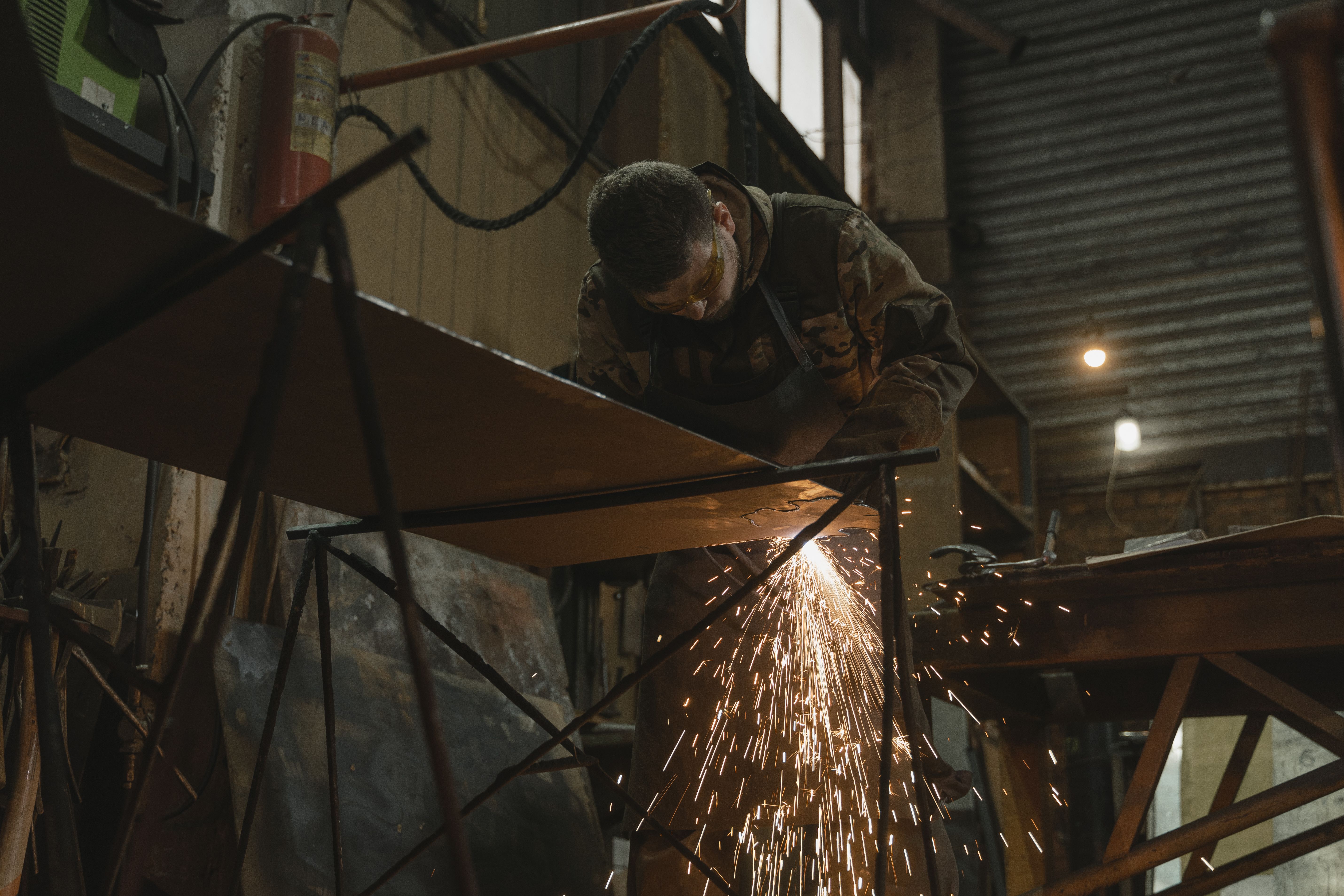
Finally, sustainability isn’t just a trend; it’s evolving into a mandatory requirement. As environmental issues intensify, the sheet metal fabrication sector is responding. Companies now prioritize waste reduction and sourcing materials responsibly. This shift isn’t purely philanthropic; it can lead to considerable savings.
A study by the Fabricators & Manufacturers Association found that companies adopting sustainable practices experienced a 20% decrease in material costs.
Sustainability in fabrication translates to recycling scrap and employing eco-friendly processes. As businesses invest in greener technologies, they can also promote their environmental initiatives, boosting their brand’s attractiveness.
- Waste Reduction: Implementing waste recovery systems reduces scrap materials.
- Material Sourcing: Choosing recycled or eco-conscious materials heightens sustainability scores.
- Energy Efficiency: Investing in energy-saving machinery can drastically lower operational costs.
Industry leaders are aware that embracing sustainability not only benefits the environment but also enhances profitability.
FAQ
What industries benefit the most from sheet metal fabrication?
Numerous sectors gain substantial benefits from sheet metal fabrication. Among these are aerospace, automotive, construction, and even medical device manufacturing. Each industry relies on customized components to fulfill their specific operational needs.
How can businesses ensure they choose a reliable fabrication partner?
Beyond exploring experience and material specialties, businesses should prioritize references and customer feedback. Engaging with previous clients can offer valuable insights into a fabricator’s reliability and quality assurance, helping to cement the right choice.
What role does innovation play in sheet metal fabrication?
Innovation is key. Techniques like 3D printing and advanced welding are reshaping the industry landscape. Such advancements facilitate increased customization and improved performance, keeping businesses competitive in their respective markets.
How does automation specifically increase safety in fabrication?
By removing human workers from hazardous tasks, automation significantly enhances safety. Robotics manage potentially risky processes, lowering the probability of accidents. This approach not only safeguards employees but also improves overall production efficiency.
What are the costs associated with implementing sustainable practices in fabrication?
While initial investments in sustainable practices may appear substantial, they frequently lead to long-term cost reductions. Companies often notice declines in material waste and energy consumption, ultimately benefiting their financial status and brand image.
Can small businesses also benefit from sheet metal fabrication?
Definitely. Small businesses harness custom sheet metal fabrication to create distinctive products that stand out in the market. Tailored solutions enable them to meet specific customer demands, fostering satisfaction and loyalty.
Are there particular materials preferred in sheet metal fabrication?
Material choices typically depend on the application. Aluminum and stainless steel are favored for their strength and lightweight properties, while composites are gaining popularity in sectors like aerospace for their enhanced performance characteristics.
How has customer demand influenced the evolution of sheet metal fabrication?
Growing customer expectations for customization and rapid delivery have accelerated advances in fabrication technology. As businesses strive to satisfy these emerging needs, innovations in automation and advanced materials continue to shape the industry’s future.