

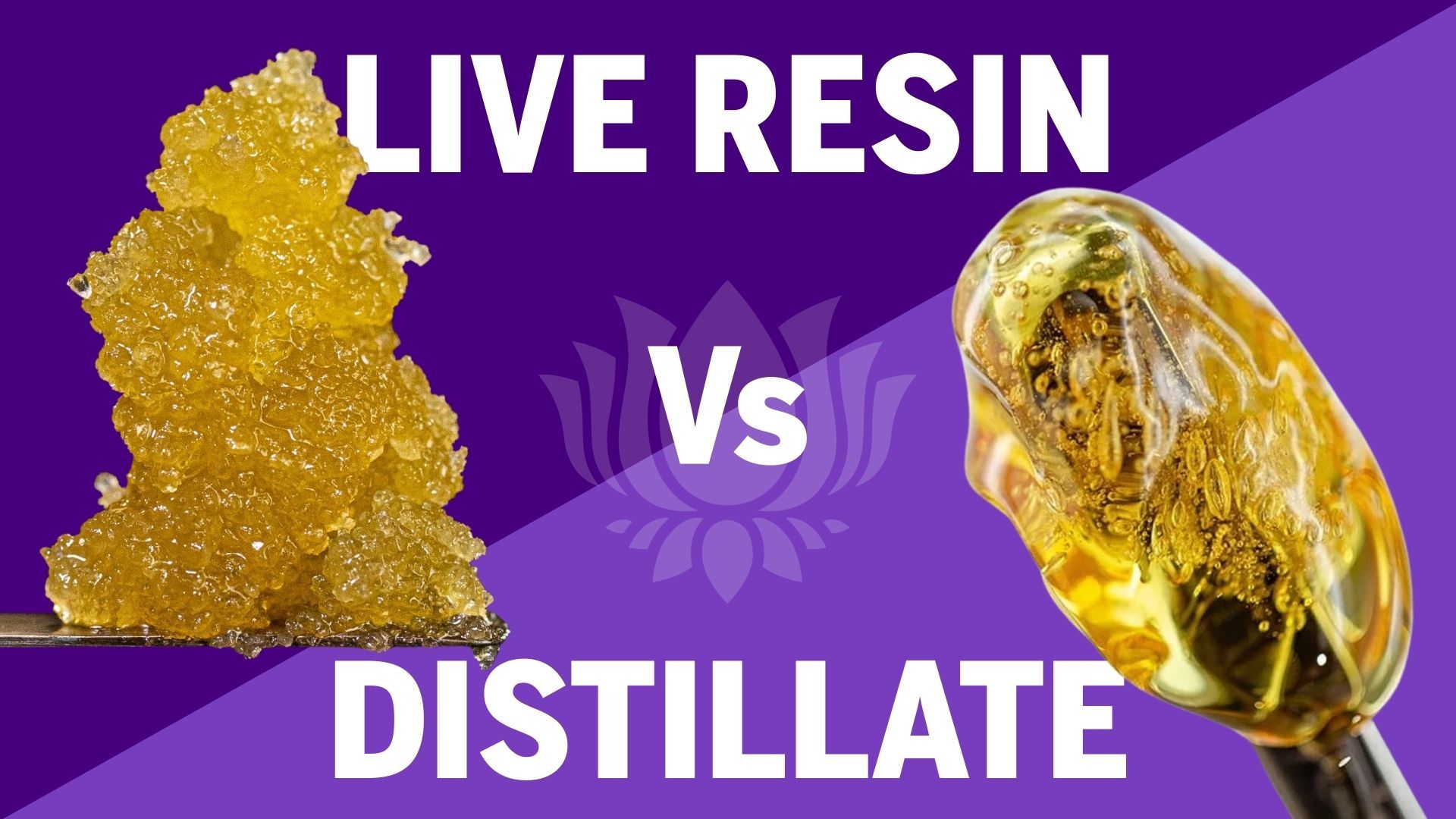
Live resin and distillate are common cannabis vape extracts, but they differ in composition, potency, flavor, viscosity, and heat sensitivity.
Those differences affect how each oil performs inside a cartridge.
Live resin focuses on preserving cannabinoids, terpenes, flavonoids, and other plant compounds. Distillate focuses on concentrating a target cannabinoid, often THC, through extensive refinement.
Device settings matter because voltage, airflow, cartridge design, and oil delivery directly affect vapor quality.
A setup that works well for distillate may overheat live resin or reduce its terpene-based flavor.
Table of Contents
What are the Differences Between Live Resin vs. Distillate
Source: vivimu.com
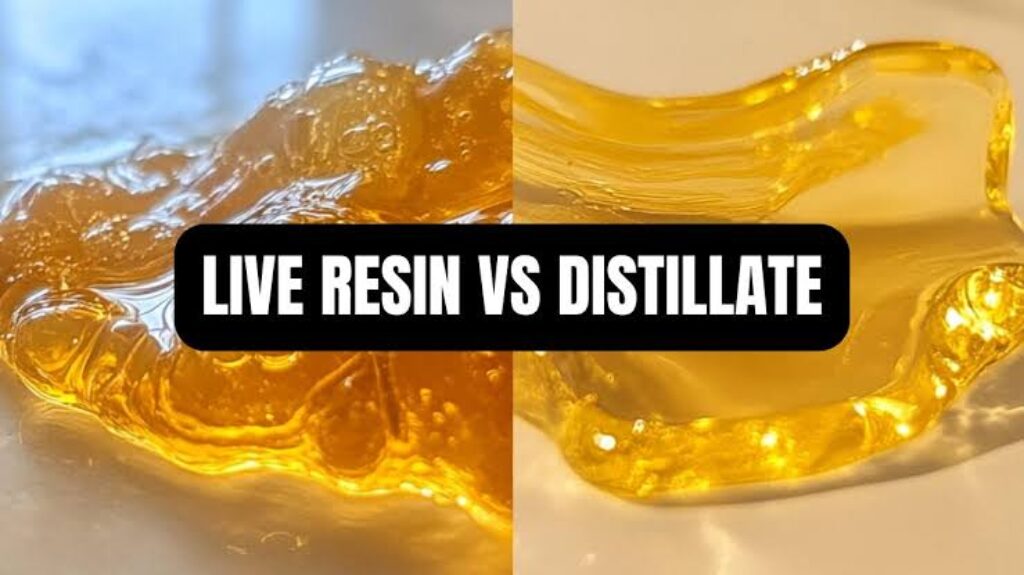
Production methods create major differences between these two extracts. Live resin retains more of the plant’s original chemical profile, while distillate undergoes heavier refinement for higher cannabinoid concentration and formulation consistency.
Live Resin
Live resin starts with freshly harvested cannabis that is flash-frozen before extraction. Rapid freezing helps protect volatile terpenes and flavonoids that can be lost during drying and curing.
A broader range of cannabinoids, terpenes, and flavonoids gives live resin its full-spectrum profile. Strong cannabis aroma and strain-specific flavor are key characteristics.
THC concentration in live resin vape products commonly falls near 65% to 80%, although potency varies by formulation.
Temperature control is important during storage, mixing, warming, filling, and vaping. Excessive heat can degrade terpenes and reduce flavor quality.
Distillate
Distillate undergoes extensive refinement that concentrates a specific cannabinoid while removing most original terpenes, flavonoids, and other plant compounds.
Cannabinoid concentrations commonly reach 90% or higher. THC distillate products often fall near 85% to 95% THC.
Raw distillate has little flavor or odor. Manufacturers commonly add terpenes or flavor ingredients to create fruit, candy, citrus, dessert, or other flavor profiles.
Consistent composition and controlled viscosity make distillate relatively easy to formulate for vape cartridges.
Why Device Setup Matters
Different oils require different heating conditions and cartridge characteristics.
Power output, oil viscosity, airflow, and heating element design all affect how efficiently an extract reaches vaporization temperature.
Hardware options from ASM VAPE show how AIO devices can be configured around oil viscosity, heating requirements, voltage, and vapor performance.
Temperature and Voltage
Live resin contains a terpene-heavy profile that responds best to careful heating. Adjustable-voltage batteries give users more control over power output and vapor production.
A lower operating range is commonly used for live resin cartridges:
- About 2.0 to 2.5 volts can help limit unnecessary terpene degradation.
- Higher voltage can increase the chance of burnt oil and weaker flavor.
Distillate generally tolerates somewhat higher heat because preservation of original plant terpenes is less central to its composition.
Added terpenes and flavor ingredients can still degrade if temperatures climb too high.
Cartridge Compatibility
Oil viscosity affects how efficiently extract moves toward the heating element. Poor oil delivery can cause weak vapor, burnt hits, clogging, or inconsistent performance.
Live resin can vary considerably in texture, so hardware compatibility depends on more than cartridge size alone. Several design factors can influence oil movement:
- Intake openings need enough capacity for thicker formulations.
- Heating elements need to vaporize oil without scorching material near the coil.
- Reservoir design needs to support steady feeding during repeated draws.
Distillate is usually easier to formulate at a predictable consistency, making it more compatible with standardized cartridge designs.
Airflow and Heating Element
Airflow, oil delivery, and heating power need to work together. Excessive heat with insufficient oil flow can scorch extract, while restricted airflow can reduce vapor quality.
Stable heating is especially important for live resin because terpene preservation is a major part of its flavor profile.
Distillate usually allows a wider operating range, although poor airflow or excessive heat can still reduce performance.
Best Setup for Live Resin
Source: ursaextracts.com
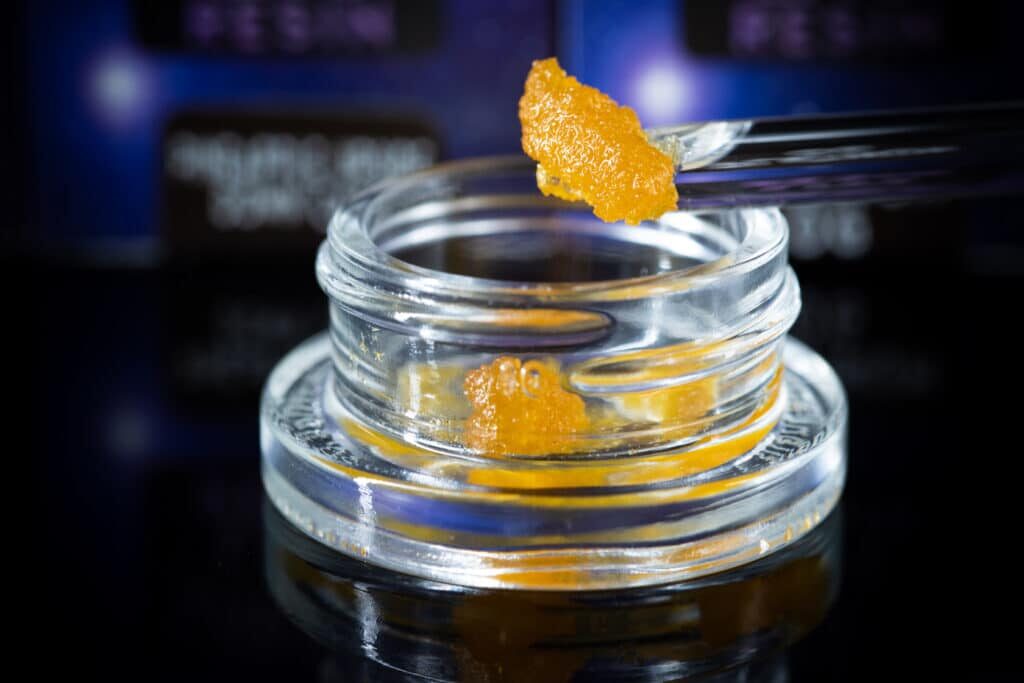
Live resin performs best with hardware that provides precise heat control and reliable oil delivery. Lower power helps protect volatile compounds while still producing consistent vapor.
Adjustable-voltage or temperature-controlled hardware is a strong option. Voltage near 2.0 to 2.5 volts is commonly recommended for live resin cartridges.
Excessive heat should be avoided because terpene degradation can quickly reduce aroma and flavor.
Cartridge design also needs to accommodate the oil’s viscosity. Proper intake openings and a compatible heating element help move thicker formulations efficiently without overheating them.
Primary setup goals include steady oil flow, controlled heating, smooth vapor, and preservation of strain-specific aroma.
Best Setup for Distillate
Distillate usually offers more flexibility because its composition is more refined and predictable. Standard vape hardware can often handle it effectively when viscosity and added flavor ingredients are compatible with the cartridge.
Somewhat higher voltage can generally be used compared with live resin. Excessive heat can still create harsh vapor and damage added terpenes.
Hardware should prioritize consistent oil delivery and steady vapor production. Predictable viscosity makes distillate easier to pair with standardized cartridges.
Added terpenes and flavor ingredients still matter. Changes in formulation can affect viscosity and heat sensitivity.
Common Mistakes
Several setup errors can reduce flavor, consistency, or cartridge performance. Most problems involve excessive heat or poor compatibility between the oil and hardware.
Running live resin at excessively high voltage can damage terpenes and reduce its strain-specific flavor.
Assuming higher voltage always produces better vapor is another common mistake. More heat can create harsher vapor, burnt flavor, faster oil consumption, and greater terpene degradation.
Using identical settings for live resin and distillate ignores differences in composition and heat sensitivity.
Ignoring viscosity can also cause problems. Thick oil paired with unsuitable hardware may lead to weak hits, clogging, or overheating.
Cartridge intake size, airflow, coil design, and heating characteristics should match the formulation.
THC percentage alone does not determine vape quality. Distillate usually contains more concentrated THC, while live resin preserves a broader range of cannabinoids, terpenes, and flavonoids.
Summary
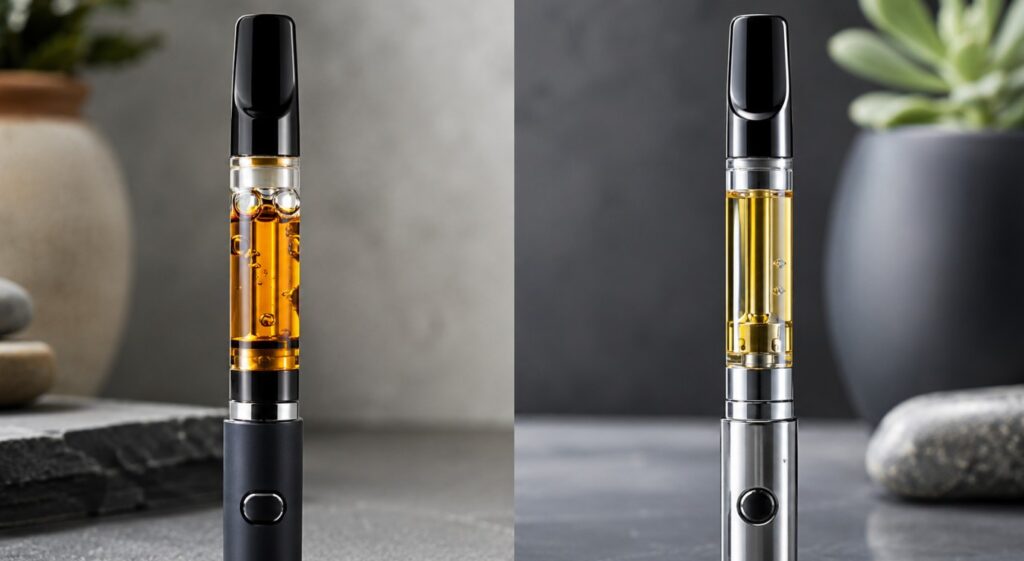
Live resin and distillate require different device considerations because their composition and heat sensitivity differ.
Live resin prioritizes terpene preservation, strain-specific flavor, and a broader plant profile. THC levels commonly fall near 65% to 80%.
Distillate prioritizes high cannabinoid concentration and formulation consistency. THC levels commonly fall near 85% to 95%, with some cannabinoid distillates reaching 90% concentration or higher.
Live resin generally performs better with gentle, controlled heating near 2.0 to 2.5 volts. Distillate usually works across a broader voltage range.
Best performance depends on matching cartridge design, heating output, airflow, and oil viscosity to the extract.