

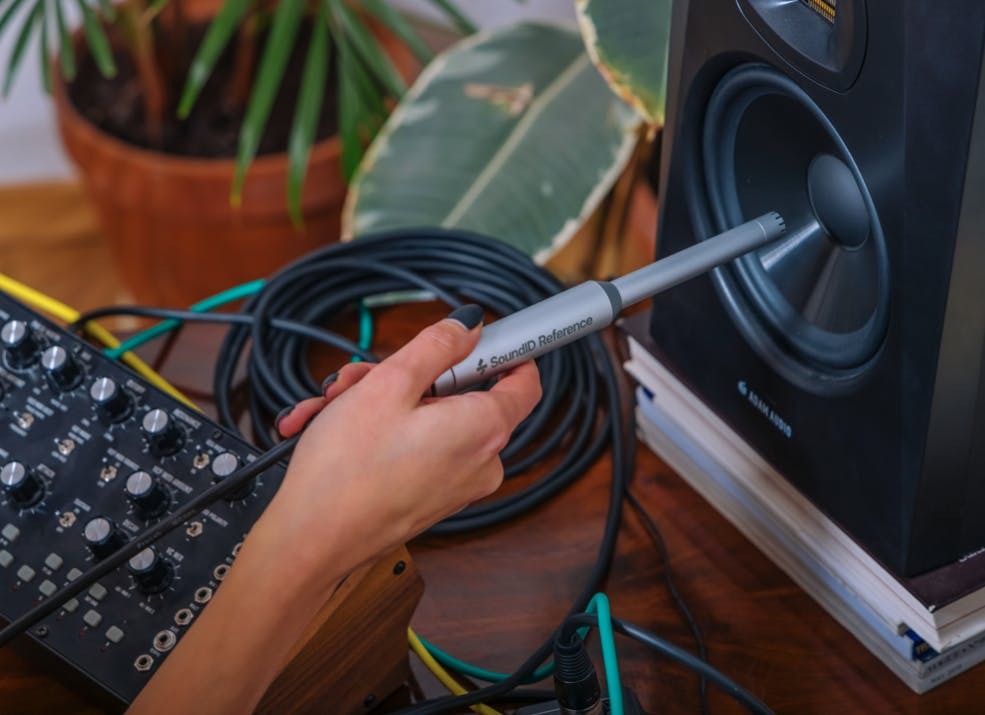
Accurate sound measurement is essential in many fields, from environmental noise monitoring to product development and quality assurance.
A key tool in this process is the measurement microphone, a device designed to capture sound with precision and consistency.
Unlike general purpose microphones, these instruments are engineered to maintain a flat response across a wide frequency range, making them suitable for scientific and technical applications where reliable data is required.
Sound behaves differently depending on the environment, the material generating the noise, and the purpose of the analysis.
Whether assessing workplace noise exposure, conducting building acoustics assessments, or evaluating audio equipment, the integrity of the data depends heavily on the microphone chosen.
This is why understanding the characteristics of measurement microphones is central to effective acoustic work.
Table of Contents
How Measurement Microphones Are Designed
Source: jochenschulz.me
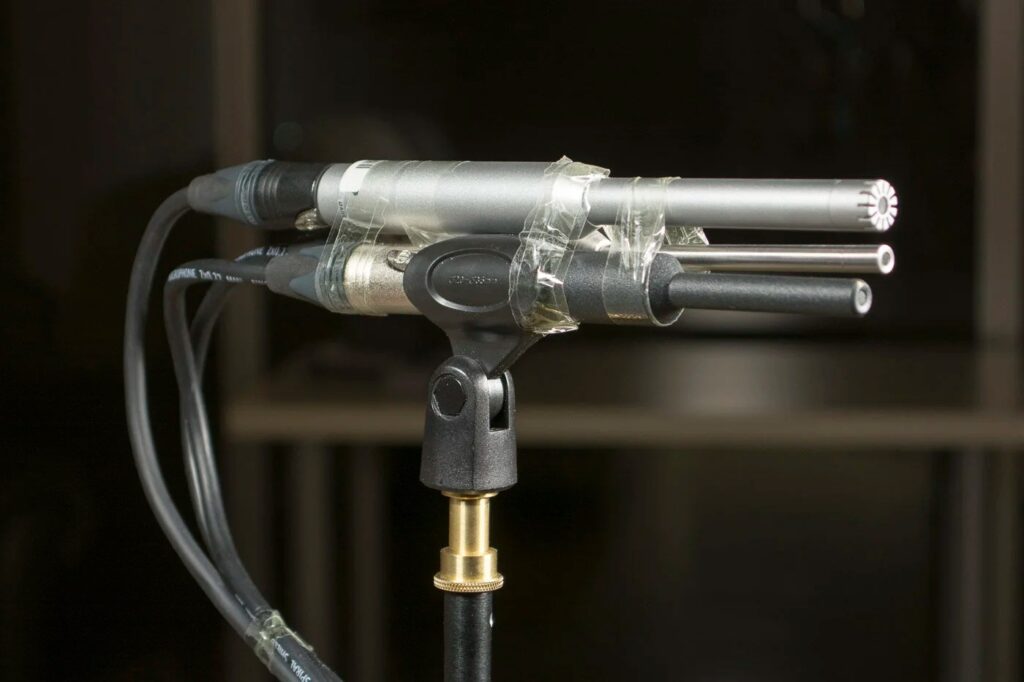
A measurement microphone is built to be as neutral as possible. It captures sound without colouring or altering the input, allowing measurements to reflect the real environment rather than the characteristics of the microphone itself.
The diaphragm is typically made from highly stable materials such as stainless steel or titanium, ensuring that it responds consistently across changing temperatures, humidity levels, and long term use.
The size of the microphone capsule affects both sensitivity and frequency range.
Common capsule diameters include 1 inch, one half inch, and one quarter inch. Larger capsules tend to be more sensitive and are often used for low frequency measurements.
Smaller capsules are suited to higher frequency work due to their faster response times and ability to withstand high sound pressure levels. Choosing the correct size depends entirely on the intended application.
Types of Measurement Microphones
Measurement microphones can be broadly grouped into free field, diffuse field, and pressure microphones. Each is designed to operate most accurately within a specific acoustic condition.
Free field microphones are used where sound arrives directly from one direction without significant reflections.
They are common in outdoor noise monitoring or controlled environments such as anechoic chambers.
Their frequency response compensates for the acoustic effects that occur when sound waves strike the microphone.
Diffuse field microphones are intended for reverberant rooms where reflections arrive from all angles.
They have a response that considers the cumulative effect of reflected energy in enclosed spaces.
Pressure microphones are used in small cavities or couplers where sound is trapped and behaves as uniform pressure.
These are often found in laboratory settings for device calibration.
Selecting the wrong type can lead to inaccurate data, so matching the microphone to the environment is essential for reliable results.
Calibration and Long Term Stability
Accurate measurement requires consistent calibration. Measurement microphones are generally paired with acoustic calibrators to verify sensitivity before and after testing.
Calibrators generate a known sound pressure level, often 94 dB or 114 dB at a fixed frequency, allowing users to confirm that the microphone is performing within the expected tolerance.
Long term stability is a key consideration.
Materials used in construction must not degrade or warp under repeated use.
Laboratory tests and industry standards, such as IEC 61094, ensure that microphones maintain a dependable response over time.
For organisations conducting routine noise monitoring or research, this stability reduces uncertainty in measurements and supports compliance with regulations.
Applications Across Different Industries
Source: soundimports.eu
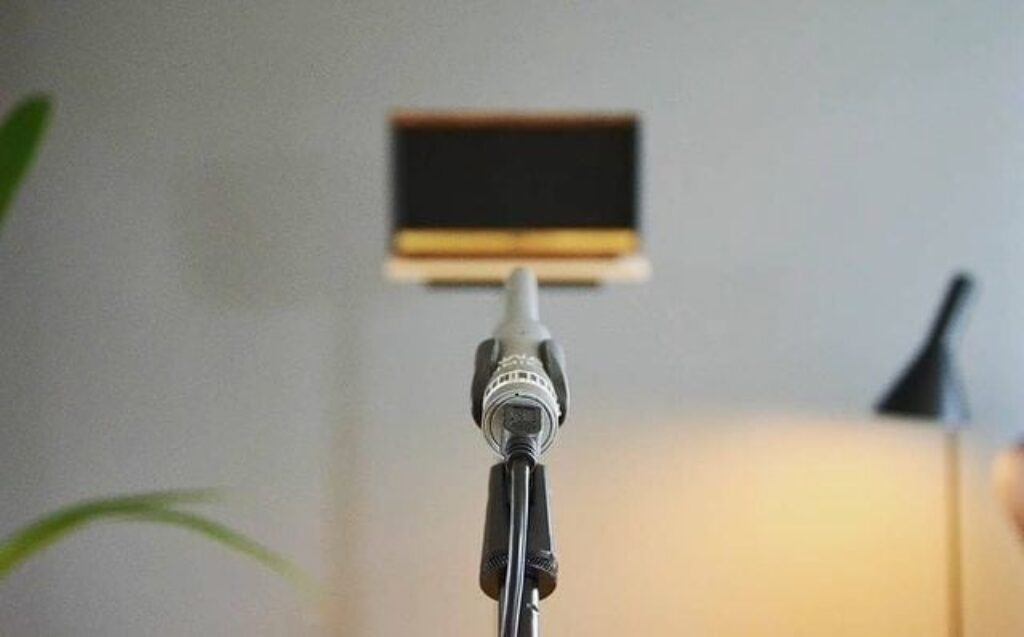
Measurement microphones are used in a wide range of sectors.
Environmental consultants rely on them for noise impact assessments relating to transportation, construction, and industrial operations.
Engineers in automotive and aerospace industries use them to analyse vibration and noise within prototypes and finished products.
Building acoustics specialists measure sound insulation, reverberation time, and HVAC noise levels.
Even within consumer electronics, researchers use measurement microphones to assess loudspeakers, headphones, and smart devices during development.
Such versatility comes from the microphone’s ability to provide objective data.
This, in turn, guides decisions in design, compliance, and operational improvements.
Selecting the Right Microphone
Choosing the correct microphone involves understanding the purpose of the measurement and the environment in which it will take place.
Frequency range, dynamic range, environmental conditions, physical durability, and compatibility with preamplifiers and analysers all play an important role.
For those seeking further detail or examples of available models, the term measurement microphone provides access to a range of options suited to different acoustic tasks.
Future Developments in Acoustic Measurement
Source: resonixsoundsolutions.com
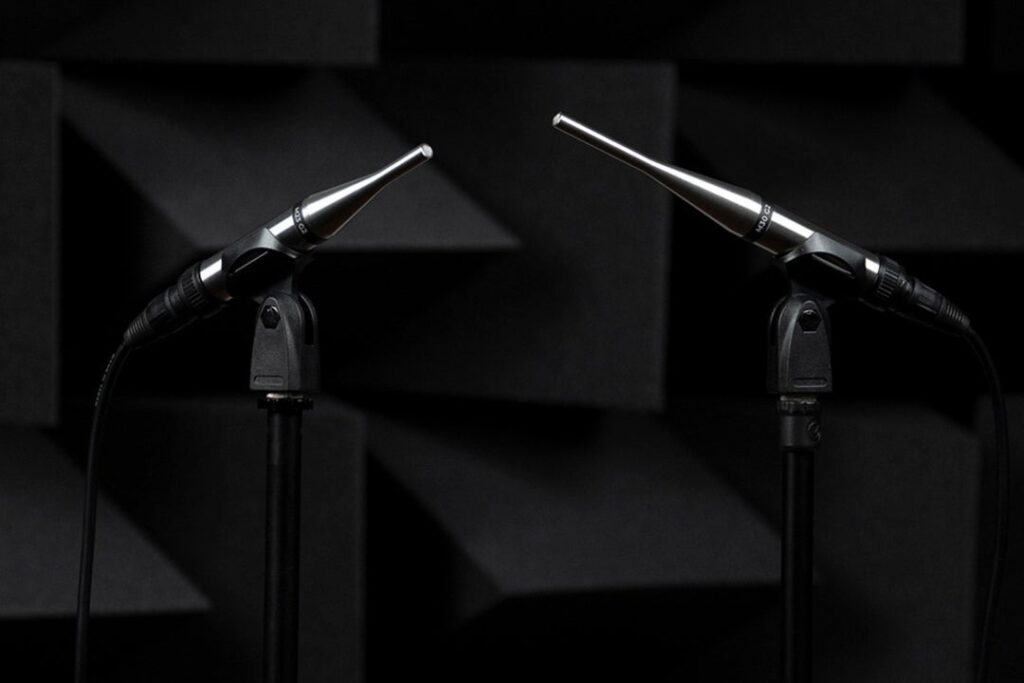
As technology evolves, so do the capabilities of measurement microphones.
Advances in digital signal processing, miniaturisation, and material science are contributing to microphones with improved noise floors, higher maximum sound pressure levels, and better environmental resistance.
These developments support the growing need for precise acoustic data in increasingly complex industrial and research settings.
Understanding how these microphones work, where they are used, and how they differ from general purpose audio devices remains essential for anyone engaged in sound measurement or analysis.