

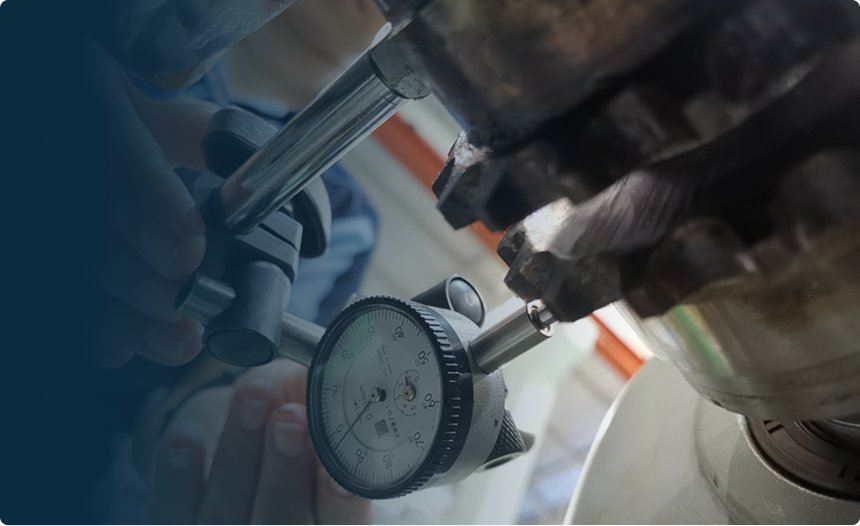
Precision metrology is crucial across various sectors, including aerospace, healthcare, and automotive. Small inaccuracies in measurements can result in disastrous outcomes.
Tools like Coordinate Measuring Machines (CMMs), laser trackers, and optical comparators are indispensable for achieving precise measurements.
Selecting a precision metrology service provider necessitates an assessment of their industry expertise, the technology they employ, and their accreditation; this ensures they align with quality standards.
Regular calibration of measuring instruments is essential to uphold accuracy and reliability, with direct implications for industry compliance and operational efficiency.
Adhering to recognized standards, such as ISO/IEC 17025, is vital to establishing measurement credibility and compliance, which builds trust with customers.
Incorporating metrology into quality assurance systems encourages proactive problem-solving, which supports ongoing enhancements in manufacturing processes.
New technologies, including AI and IoT, are revolutionizing precision metrology, facilitating real-time data analysis and boosting measurement capabilities throughout industries.
Table of Contents
The Secrets of Accurate Measurements in Precision Metrology
Why Precision Matters: Real-World Applications

Source: rapiddirect.com
In a landscape where accuracy is critical, precision metrology assumes a vital position across countless industries. Sectors such as manufacturing, aerospace, medical devices, and automotive rely on exact measurements to uphold quality and safety. Imagine – an error as tiny as a fraction of a millimeter can result in devastating consequences. It goes beyond merely adhering to specifications; it’s about sustaining trust in products.
Consider the aerospace sector. Here, precise measurements guarantee that every component, from fuselage to engine parts, fits together flawlessly. Even the slightest deviations can lead to catastrophic failures. Professionals emphasize that this accuracy is crucial across every facet of design and engineering, often driving improvements in overall performance.
- Healthcare: In the realm of medical devices, precision means reliable operation.
- Automotive: In vehicle assembly, even a single millimeter can influence safety and efficiency.
- Manufacturing: Tolerances in layouts affect part interchangeability, which is essential for mass production.
Correct measurements not only protect consumers but also bolster brand reputation. Products that continually meet high standards forge loyal customer bases – all rooted in the accuracy required in precision metrology.
Key Tools and Technologies Every Provider Uses
To attain such stellar accuracy, precision metrology service providers employ a variety of specialized instruments and technologies. These are not mere devices; they are critical components that ensure measurements are precise. Equipment like coordinate measuring machines (CMMs), laser trackers, and optical comparators each serve distinct purposes.
CMMs, for instance, enable technicians to accurately measure the physical geometrical features of an object. These machines can either be manually operated or computer-controlled, lending flexibility to measurement processes. Laser trackers provide high-precision distance measurements, which are vital for installations and large-scale jobs. Meanwhile, optical comparators help visualize dimensional characteristics, allowing rapid inspections of components to ensure compliance with design specifications.
- Coordinate Measuring Machines (CMMs): Essential for conducting dimensional inspections.
- Laser Trackers: Critical for measuring large objects.
- Optical Comparators: Employed for detecting surface features and edges.
These tools each contribute significant value. Knowledge of their strengths allows businesses to determine the most suitable combinations for their measurement requirements.
How to Choose the Right Metrology Service for Your Needs
- Expertise: Look for industry-specific experience.
- Technology: Ensure they leverage cutting-edge equipment.
- Accreditation: Identify ISO certifications that confirm adherence to quality standards.
Another vital factor is grasping the provider’s approach to customer service. They should be eager to customize solutions based on individual client needs, showcasing flexibility. Pricing is also an important consideration; while cheaper alternatives might seem appealing, the cost of imprecise measurements can far exceed initial savings. In short, low-cost options don’t always translate to the best value.
Working through the Metrology Process: What to Expect
The Step-by-Step Breakdown of a Metrology Project
Source: industrial-ia.com
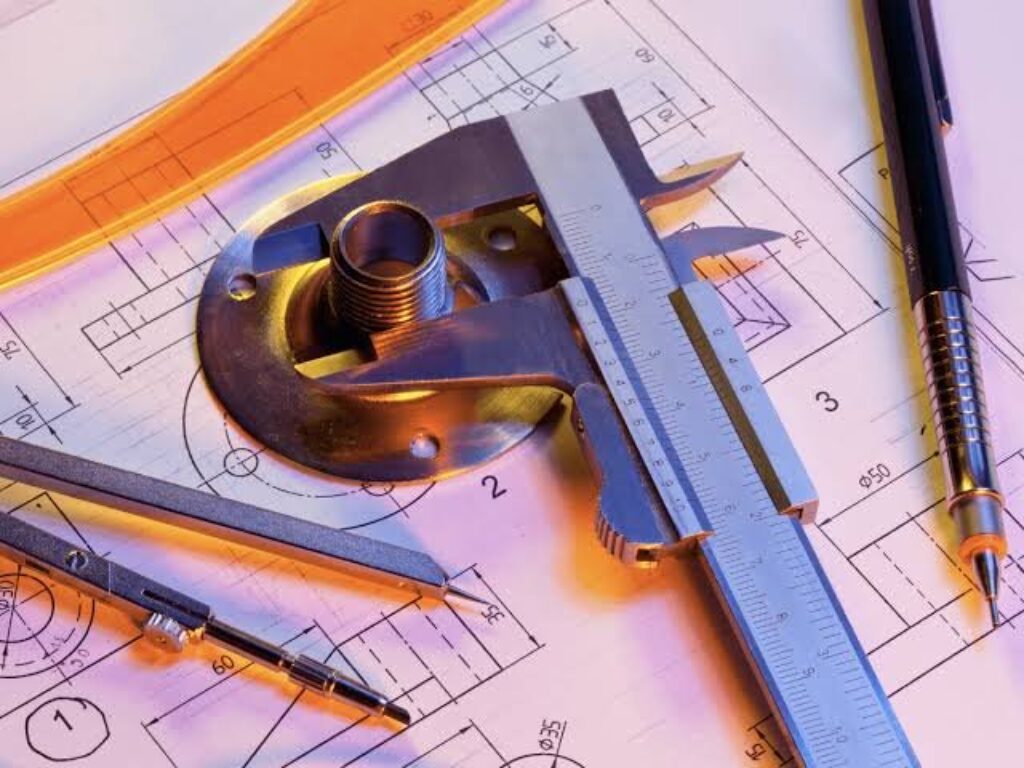
A well-run precision metrology project generally follows a defined process, which directs both the vendor and the client throughout each stage. An initial consultation kicks things off, during which variables are examined, and expectations are established. Defining the aspects that need measurement is essential. This step is about grasping the application and desired results.
Next comes planning, where timelines, resources, and methodologies are established. After that, the execution phase unfolds. At this point, measurements are collected, demanding meticulous attention to detail as multiple methods are often employed to validate accuracy. Finally, the reporting stage synthesizes findings, delivering clear insights into the documented measurements, compliance with standards, and any proposed actions to rectify discrepancies.
“Precision metrology is about more than just measurements; it’s about creating a foundation for continuous quality improvement.”
The key takeaway? This process is comprehensive, designed to minimize errors and amplify reliability, ultimately enhancing product quality.
How Calibration Enhances Measurement Reliability
Calibration is pivotal for ensuring dependable measurements. Experts advocate that regular calibration of measuring instruments preserves their precision over time, directly influencing quality assurance practices. Without this critical step, even highly advanced tools can lose their accuracy.
Calibration not only secures compliance with industry regulations but also boosts operational efficiency. This results in reduced downtime and fewer errors in production, which can save significant costs in the long haul. Moreover, in sectors such as aviation and healthcare, it’s a safety imperative. Overlooking this step? It’s simply not an option.
- Routine Checks: Regularly scheduled calibrations help avert potential inaccuracies.
- Documentation: Maintaining records showcases adherence to quality benchmarks.
- Proactive Maintenance: Spotting issues before they escalate conserves time and resources.
Investing in calibration guarantees that results can be trusted. Dependable results, in turn, enable better decision-making.
Common Industry Standards and Their Importance
Complying with established industry standards isn’t just bureaucracy; it fundamentally influences how businesses function within precision metrology. Standards like ISO/IEC 17025 specify the competence required for testing and calibration laboratories. Adhering to these guidelines assures credibility and reinforces customer trust.
These benchmarks lay out everything from the technical criteria for conducting measurements to ensuring traceability for results. Regular evaluations and updates to standards reflect the ongoing journey towards enhanced quality and reliability, adjusting to emerging technologies.
- ISO/IEC 17025: Concentrates on laboratory quality and capability.
- AS9100: Widely recognized in the aerospace industry.
- ISO 9001: A universal standard for quality management systems.
Opening up the Value of Precision Metrology for Businesses
Case Studies: Powerful Outcomes from Metrology Services

Source: qualitymag.com
Real-world examples enliven discussions about the significance of precision metrology. One illustrative case is Company X, a key player in automotive manufacturing, which encountered issues with ensuring that critical components fit correctly. By collaborating with a precision metrology service provider, they established a rigorous measurement and inspection workflow.
This initiative greatly reduced assembly errors while improving delivery timelines, highlighting how precision can transform operational efficiency. Other businesses can glean valuable insights from such success stories, motivating them to invest in metrology services to achieve their goals.
- Automotive: Lowered error rates and enhanced vehicle safety.
- Aerospace: Improved compliance, resulting in fewer recalls.
- Healthcare: Boosted patient safety thanks to reliable medical device measurements.
These transformative outcomes speak volumes about the benefits provided by precision metrology.
Cost Savings Through Accurate Measurements: A Tangible Impact
In today’s competitive landscape, cost savings associated with accurate measurements are vital. Poor measurements lead to wasted materials, unnecessary rework, and inefficient workflows, not to mention potential revenue losses. So, from where do these savings originate?
- Reduction in Scrap Rates: Precise measurements curtail material wastage.
- Less Rework: Accuracy decreases the need for corrections.
- Streamlined Processes: Refined workflows enhance operational efficiency.
When organizations evaluate the financial implications of investing in precision metrology, the advantages greatly overshadow initial costs. Achieving operational excellence increasingly hinges on strengthening every facet of production, and measurement accuracy remains pivotal.
Integrating Metrology into Your Quality Assurance Framework
For metrology to be effectively utilized, businesses must embed it within their quality assurance frameworks. This isn’t just optional; it defines the reliability of manufacturing operations. When metrology becomes integral to the overall quality management system, it fosters a proactive stance on identifying discrepancies before they become significant issues.
Sound integration entails providing training and conducting compliance checks, ensuring that all employees comprehend their roles within the metrology process. Here’s a robust framework to ponder:
- Training: Equip personnel with knowledge about measurement principles and tools.
- Process Documentation: Maintain thorough records that outline measurement protocols.
- Feedback Loops: Create channels for continuous improvement based on measurement results.
This approach cultivates a culture anchored in quality, resulting in sustainable operational excellence.
Future Trends in Precision Metrology: What’s on the Horizon?
Emerging Technologies Shaping the Metrology Landscape

Source: metrology.news
As precision metrology continues to advance, new technologies frequently emerge, promising to elevate measurement capabilities. Automation, artificial intelligence, and robotics are becoming increasingly prominent. For instance, AI algorithms can analyze data at remarkable speeds, uncovering patterns that would require human analysts endless hours to discover.
Moreover, integrating Internet of Things (IoT) technology enables real-time data gathering from various measurement devices, crafting a comprehensive view of measurements throughout the production process. Smart factories are not merely a trend; they signify the future of manufacturing, where measurement accuracy is paramount for bolstering operational efficiency.
- Artificial Intelligence: Improves data analysis and forecasting.
- Robotics: Provides precision in repetitive measurement tasks.
- IoT: Connects devices for real-time analytics and tracking.
These innovations hold the potential to redefine operational standards in accuracy-dependent industries.
Sustainability in Measurement Practices: A Growing Priority
With mounting awareness surrounding environmental concerns, sustainability has emerged as a critical focus across all sectors, including precision metrology. Firms are reassessing their practices to adopt sustainable methods, particularly in measurement. Utilizing fewer resources while maintaining quality yields tangible advantages.
Many organizations are now on the lookout for eco-friendly materials and energy-efficient technologies. Truly, achieving precision while prioritizing environmental stewardship is the goal. Investing in such sustainable initiatives offers long-term perks, benefiting both the planet and profit margins. There’s an increasing recognition that green practices enhance brand image.
- Resource Efficiency: Minimizing raw material usage.
- Energy Conservation: Implementing technologies that consume less energy.
- Responsible Waste Management: Streamlining waste produced during measurement processes.
Positioning as a sustainability-focused organization does more than benefit the environment; it attracts customers who appreciate corporate social responsibility.
Preparing for the Future: Training and Development in Metrology
As measurement technology advances, the importance of training escalates. Organizations need to invest in developing their workforce to ensure they possess the skills and knowledge to leverage emerging tools and methodologies. Training does not just enhance proficiency; it nurtures a culture of innovation.
Upskilling employees fosters a forward-looking mindset, critical in a fast-moving environment. Workshops, online courses, and certifications in metrology can dramatically influence a company’s trajectory. They inspire enthusiasm and curiosity that propel businesses forward.
- Workshops: Hands-on instruction is invaluable for honing practical skills.
- Online Courses: Flexible learning options enable employees to progress at their pace.
- Certifications: Validate expertise and dedication to quality.
Investing in training and development is about more than preparing for the future – it’s about crafting a workforce ready to tackle challenges head-on.
FAQ
What role does software play in precision metrology?
Software serves as the backbone of contemporary metrology, offering critical data analysis tools that enhance measurement accuracy. With advanced algorithms, it interprets data swiftly, supporting smarter decision-making and revealing insights that maintain production flow.
How do businesses ensure compliance with industry standards?
Ensuring compliance begins with a strong grasp of pertinent standards paired with thorough internal audits. Many organizations implement quality management systems to routinely assess and confirm that their processes align with standards like ISO/IEC 17025, maintaining consistency at every operational level.
What advancements are being made in metrology equipment?
Recent developments prioritize increasing automation and connectivity. For example, equipment like laser scanners and multi-sensor systems are becoming more commonplace, allowing for quicker, more comprehensive measurements. These innovations significantly cut down on inspection time while boosting reliability.
How can small businesses benefit from precision metrology services?
Small businesses can leverage precision metrology to enhance product quality and elevate customer satisfaction, which in turn can increase sales. Even minor investments in accurate measurement practices can avert costly missteps and bolster operational efficiency, allowing them to compete more effectively in their markets.
What’s the significance of traceability in measurements?
Traceability establishes that measurements can be linked back to national or international standards, promoting trust in the outcomes. It is vital for compliance and quality assurance, giving clients confidence that the measurements are reliable and valid.
How do organizations stay updated with the latest metrology trends?
Many organizations engage in ongoing education through workshops, conferences, and industry literature. Subscribing to industry journals and participating in professional organizations are effective methods for staying abreast of new technologies and best practices.
What are the implications of poor metrology practices?
Inadequate metrology practices can lead to manufacturing flaws, resulting in increased costs from rework, scrap, and possible safety risks. These consequences highlight the necessity for strict compliance with precision standards; the stakes simply are too high.
Can precision metrology be integrated with lean manufacturing practices?
Absolutely. Merging precision metrology with lean manufacturing enhances efficiency by reducing waste associated with inaccurate measurements. This collaboration fosters a culture of continuous improvement, where quality measurements are crucial to overall operational excellence.
Useful Resources
- International Organization for Standardization (ISO)
- ASTM International
- National Institute of Standards and Technology (NIST)
- American Society of Mechanical Engineers (ASME)
- American National Standards Institute (ANSI)
- Chartered Quality Institute (CQI)
- Association for Measurement and Control (CMI)
- Technical Society for Precision Measurement (TSPM)
- Society of Automotive Engineers (SAE)