
A five-star rating looks reassuring. But it doesn’t tell you whether the fabric feels cheap, whether the sizing runs small, or whether the colour on screen matches what shows up at your door. Product photos are styled to sell. The reviews, if you know what to pull from them, tell you what actually happened after someone opened the package and put the thing on.
That matters more when you’re shopping across online marketplaces with items from different sellers. Voghion is one example. London-based, founded in 2021, serving the UK, Europe, and over 40 countries through a network of sellers, suppliers, and authorised brand partners. Its women’s clothing listings alone cover dresses, jeans, jackets, tops, sets, sportswear, Muslim fashion, and wedding wear, so the range is wide enough that knowing how to read reviews becomes the real shopping skill.
Table of Contents
1. Look beyond the overall star rating
A product sitting at 4.8 stars looks like a safe bet. That number hides a lot, though.
Read several reviews. Not just the top one. If five separate customers say the item runs small, that pattern is worth more than the average score. The same goes for repeated mentions of fabric thickness, stitching quality, transparency, or comfort. When multiple strangers independently flag the same thing, pay attention.
Volume matters too. A perfect 5.0 from two buyers means almost nothing. A 4.7 backed by hundreds of purchases gives you something real to base a decision on.
2. Check the reviewer’s measurements

Source: techpacks.co
“I ordered medium and it fits perfectly.” That review helps nobody.
“I’m 168 cm, usually wear EU 38, ordered medium, and the sleeves reach my wrists.” Now you have a reference point. The difference between a useful review and a useless one almost always comes down to whether the person shared their measurements.
On a platform like Voghion, match your own numbers against reviewers with a similar build. Fitted dresses, jeans, blazers, anything where a couple of centimetres change the whole look and feel of the garment. Those are the categories where measurement details in reviews save you from a return.
3. Pay attention to fabric comments
The listing says “polyester blend.” What does that actually mean on your skin? Stiff and warm? Light and breezy? The product description won’t tell you. The person who wore it for a day will.
Comments about thickness, stretch, softness, and weight are the ones worth hunting for. A fabric that photographs well might feel like a shower curtain, and you’ll only find that out from someone who touched it.
Voghion’s clothing filters break materials down into options like acetate, acrylic, bamboo fibre, and various blends. That’s a starting point. The reviews from people who actually wore the piece in real conditions are what close the gap between the spec sheet and reality.
4. Compare review photos with product images

Source: plasticsurgerypractice.com
Studio photos show you what the seller wants the garment to look like. Customer photos show you what it actually looks like on a person standing in their bedroom under normal lighting.
Colour is the first thing to check. Then length, shape, neckline, sleeve position, and how the fabric hangs. One customer photo isn’t enough because phone cameras and room lighting shift colours. Three or four photos from different buyers give you a more honest picture.
Dresses are where this matters most. Voghion lists casual, evening, denim, wedding, and embellished styles across different price points. A studio shot of an evening dress and a customer photo of the same dress are sometimes barely recognisable as the same garment. That gap is exactly what review photos reveal.
5. Separate quality problems from personal preferences
A one-star review doesn’t always mean a bad product.
One buyer dislikes a loose fit because they wanted something tailored. Another calls the same cut comfortable. Someone expecting heavy winter fabric complains about a lightweight piece even though the description said exactly what it was. None of those are defects. They’re preferences.
Objective problems: broken zippers, missing buttons, uneven stitching, damaged fabric, sizing that doesn’t match the chart, or a product that looks nothing like its listing. Personal preferences: opinions about colour, how loose or fitted something is, length, or styling choices.
Getting that distinction clear stops you from skipping a product that would’ve worked for you because someone else wanted it to be something different.
6. Comments about washing and durability
Source: aliexpress.com
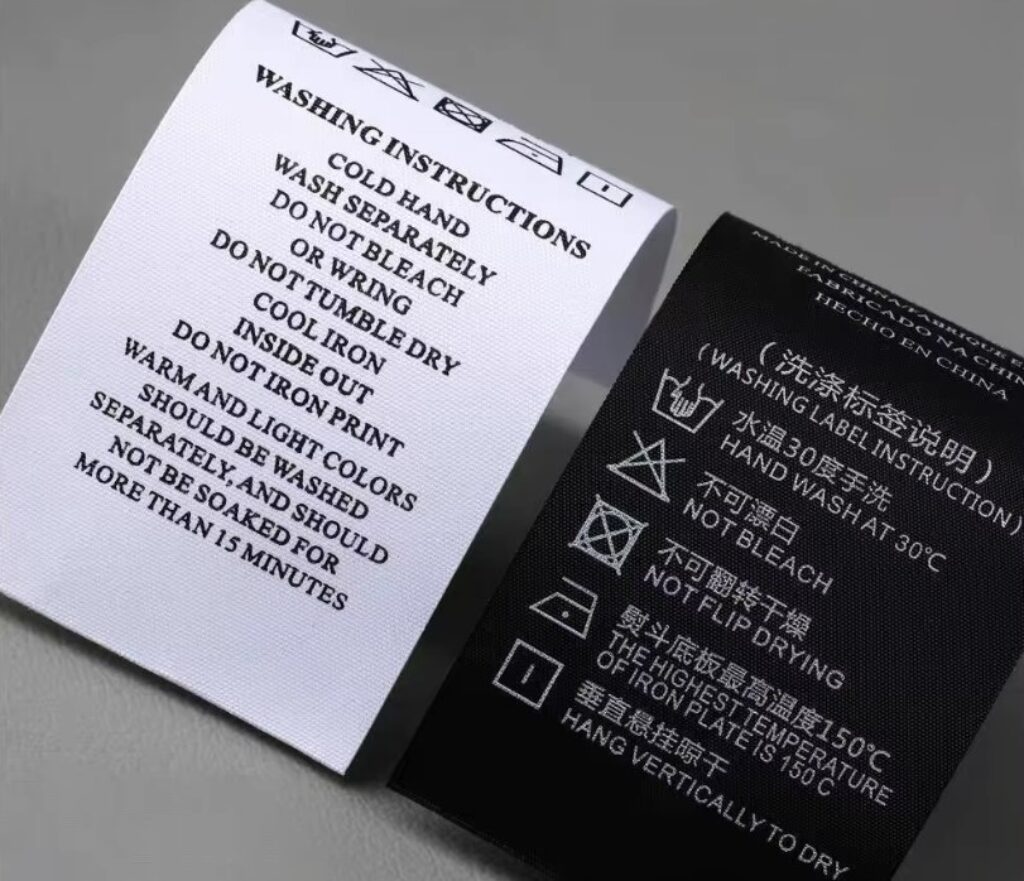
A garment looks great when it arrives. The first wash is where you find out what you actually bought.
Shrinking, fading, pilling, stretching, shape loss. If several customers report the same problem after following the care instructions, that’s not a coincidence. It’s information about what happens after week one.
A single complaint isn’t enough to kill a purchase. Repetition across multiple reviews is. And check whether those reviewers actually followed the care label. Someone who tumble-dried a hand-wash-only item and complained about shrinkage isn’t giving you useful data.
For cheaper everyday pieces, weigh durability against price. Something that costs a third of the price but falls apart in four weeks isn’t a deal. It’s a waste.
7. Check recent reviews and review dates
Products change without the listing changing. Sellers swap suppliers, adjust materials, tweak sizing, shift colours. An older review might describe a version of the item that doesn’t exist anymore.
More weight should be given to recent reviews, especially on listings that have been around for a while. The tone of the recent reviews is noticeably different from older ones, something changed in the supply chain.
Voghion’s catalogue includes products from different sellers with different specs, prices, and ratings. The review picture on one listing tells you nothing about another listing, even if the product looks similar. Each one needs its own read.
A quick comparison: which review details matter most?
| Review detail | What it reveals | Importance before buying |
|---|---|---|
| Star rating | General customer satisfaction | Medium |
| Number of reviews | Strength of the rating evidence | High |
| Reviewer measurements | Whether sizing may suit you | Very high |
| Customer photos | Real-world appearance and fit | Very high |
| Fabric comments | Texture, thickness and stretch | High |
| Washing feedback | Potential durability issues | High |
| Recent review dates | Current product experience | High |
How to use reviews when shopping for Voghion clothing
Measurements: 25 cm (L) x 15 cm (H) x 7 cm (D) Material: Polyester Next, open the reviews and check if real buyers confirm those details or deny them. Voghion’s relevant categories are women’s denim, dresses, outerwear, tops, sets and wedding wear.
View this post on Instagram
Check out the reviews on straight high-rise jeans and wide leg styles for everyday denim. In the current listings, there are examples of sales in the dozens to hundreds, rated 4.8 or 4.9. That’s enough buyer activity to give you real feedback and not a guess from the product photo.
Occasion wear is trickier. Embellishments, fabric weight, length, and fit all need to match what the listing promises. A dress with hundreds of sales gives you more evidence than one with five purchases. Volume doesn’t guarantee quality, but it does guarantee more data points.
Frequently asked questions
Final thoughts
The highest-rated item isn’t always the best purchase. The item with the most useful review evidence usually is. Measurements, photos, fabric descriptions, wash results, dates, and repeated complaints. That’s what cuts through the noise.
Works the same on Voghion as anywhere else. Match reviews to product specs. Find reviewers with a build similar to yours. Spend the extra few minutes reading instead of scrolling. It’s the cheapest way to avoid sizing surprises and returns.