

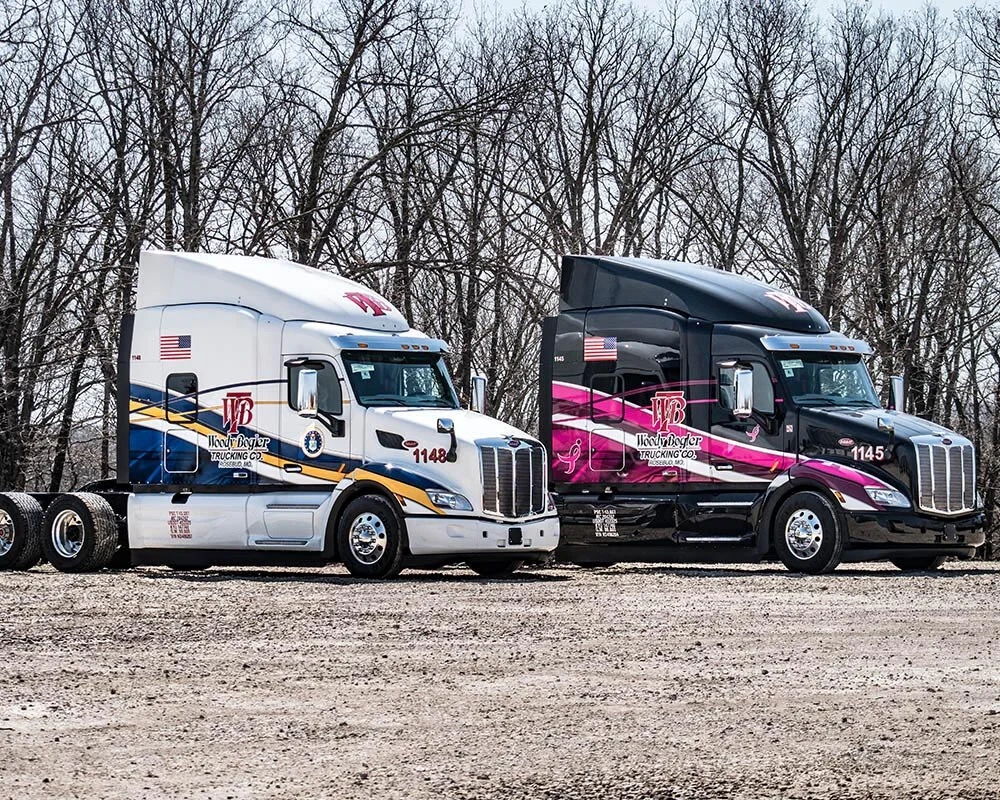
Brand visibility has traditionally depended on fixed placements, billboards, storefronts, and digital screens. While these channels still hold value, they are limited by geography and audience reach. Fleet wraps have introduced a different approach, transforming vehicles into moving brand assets that engage audiences across multiple locations throughout the day.
This shift is not simply about applying graphics to a vehicle. It involves a combination of design precision, material science, and industrial fabrication to ensure that branding remains consistent, durable, and visually impactful. As companies look for ways to maximize exposure, fleet wraps are becoming an essential part of modern marketing strategies.
Table of Contents
Why Fleet Wraps Are Gaining Momentum
Fleet wraps offer a unique advantage: mobility. Unlike static advertising, wrapped vehicles move through different environments, reaching diverse audiences in real time. This continuous exposure increases brand recognition and reinforces messaging without requiring additional placements.
They also provide cost efficiency over time. Once applied, a wrap can deliver ongoing visibility without recurring advertising fees. This makes fleet wraps particularly appealing for businesses looking to balance reach with long-term value.
The Fabrication and Engineering Behind Fleet Wraps
View this post on Instagram
Surface Preparation and Material Selection
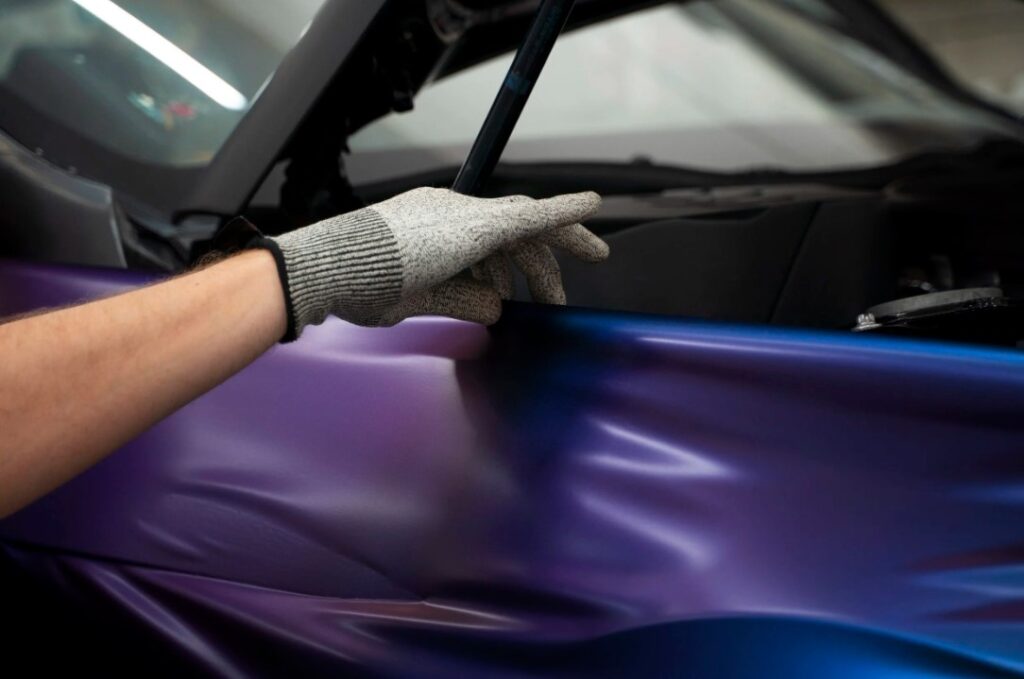
Achieving a high-quality fleet wrap begins with proper surface preparation. The vehicle must be cleaned and treated to ensure that the wrap adheres correctly and maintains its appearance over time. This step is critical, as even minor imperfections can affect the final result.
Material selection also plays a significant role. Modern wrap materials are designed to be flexible, durable, and resistant to environmental factors such as UV exposure and temperature changes. These properties ensure that the wrap remains intact and visually appealing throughout its lifespan.
Precision Application and Structural Considerations
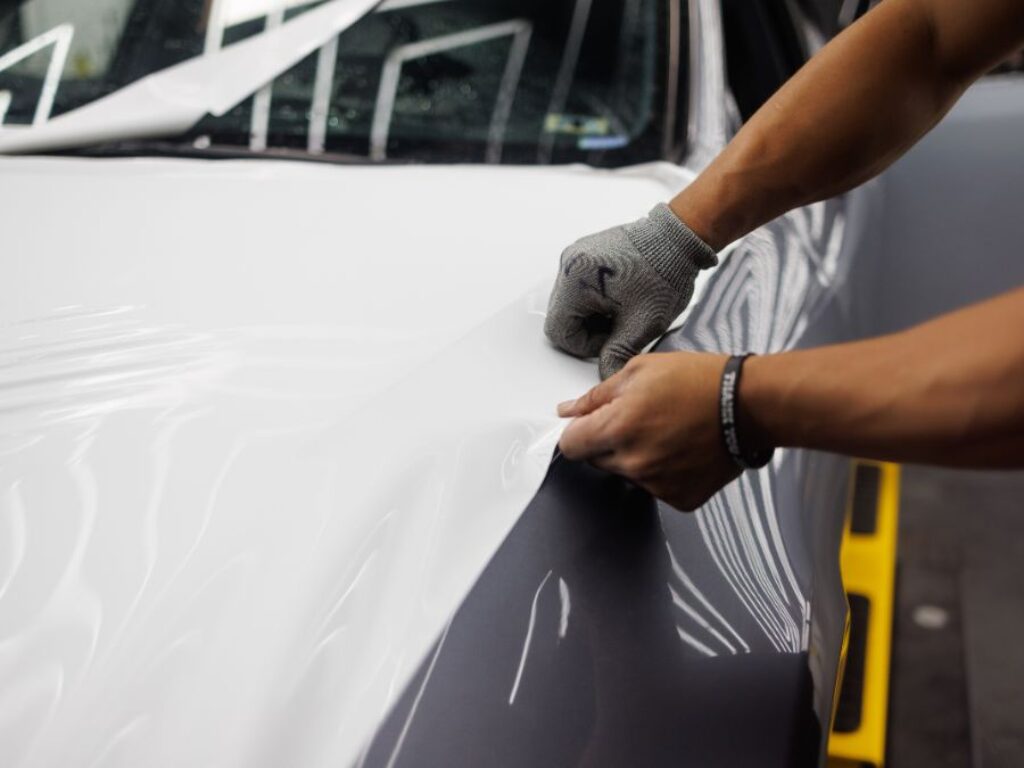
Applying a fleet wrap requires precision and expertise. Installers must account for curves, edges, and seams, ensuring that the design aligns perfectly across the vehicle’s surface. This process demands both technical skill and attention to detail.
The underlying structure of the vehicle can also influence the outcome. Advances in manufacturing, such as those discussed in new approaches to shaping sheet metal, highlight how design and fabrication impact surface quality. These innovations contribute to smoother applications and better overall results for fleet wraps.
Professional Fleet Wrap Services and Brand Impact
Source: pro-fleetwraps.com
Businesses aiming to maximize the effectiveness of their vehicle branding often rely on professional fleet wrap services to ensure consistent quality and durability. These services combine design expertise with precise installation techniques, creating wraps that not only look impressive but also withstand the demands of daily use.
A well-executed fleet wrap does more than display a logo, it tells a story. By incorporating thoughtful design elements and clear messaging, companies can create a cohesive brand presence that resonates with their audience wherever the vehicle travels.
Design Considerations for Effective Fleet Branding
Design plays a central role in the success of a fleet wrap. The visual elements must be bold enough to capture attention while remaining clear and readable at a distance. This requires a careful balance between creativity and simplicity.
Consistency is also important. When multiple vehicles are wrapped as part of a fleet, maintaining a unified design ensures that the brand is easily recognizable. This consistency reinforces brand identity and helps build trust with the audience.
The Role of Custom Fabrication in Branding Solutions
Fleet wraps are often part of a broader strategy that includes custom-built vehicles and mobile environments. In these cases, fabrication plays an even larger role, shaping not only the structure of the vehicle but also how the branding is integrated.
Insights into custom fabrication processes, such as those explored in this look at precision and creative engineering, like this comparison of Jeep Gladiator vs Ram 1500, highlight how attention to detail can elevate the final product. These principles are directly applicable to fleet wraps, where precision and craftsmanship are essential.
Challenges in Fleet Wrap Implementation
Source: scottsdalecollisionaz.com
Despite their advantages, fleet wraps come with challenges that must be addressed. Environmental exposure can affect durability, making it important to choose materials that can withstand varying conditions. Regular maintenance is also necessary to keep the wraps looking their best.
Another challenge lies in ensuring consistent application across multiple vehicles. Variations in vehicle models and surfaces can complicate the process, requiring careful planning and customization. Working with experienced professionals can help mitigate these issues and ensure a high-quality result.
Future Trends in Fleet Wrap Technology
The future of fleet wraps is likely to be shaped by advancements in materials and printing technology. New developments in vinyl materials and adhesives are improving durability and ease of application, while digital printing techniques are enabling more detailed and vibrant designs.
Sustainability is also becoming a focus. Manufacturers are exploring eco-friendly materials and processes to reduce the environmental impact of fleet wraps. These innovations reflect a broader trend toward responsible production and design.
Conclusion
Fleet wraps have transformed the way businesses approach brand visibility. By turning vehicles into mobile advertisements, they offer a dynamic and cost-effective way to reach audiences across different locations. Their success depends on a combination of design, fabrication, and precise application.
As technology and materials continue to evolve, fleet wraps will become even more effective and versatile. For companies looking to expand their reach and create lasting impressions, they represent a powerful tool in the modern marketing landscape.