

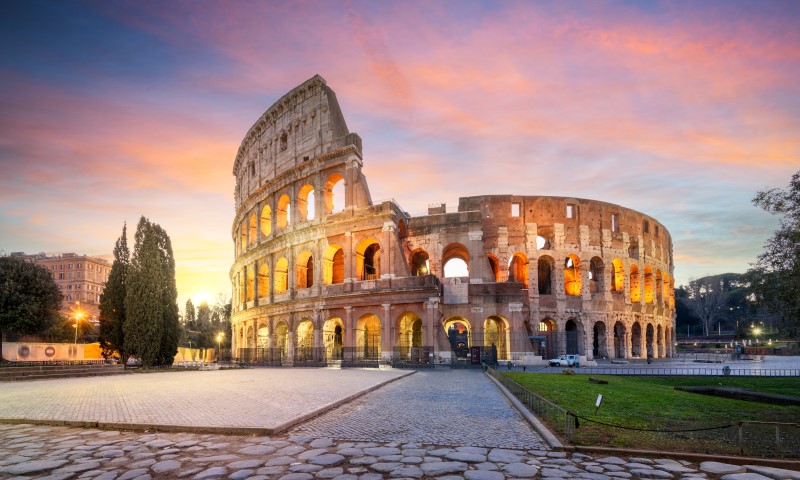
More than 35 million people visit Rome each year, yet a surprising number leave frustrated because they miss major sites, wait hours in lines, or arrive at closed attractions. The city may feel timeless, but visiting it requires a bit of modern planning. Rome is one of the most visited cultural destinations on the planet, and many landmarks now operate with strict booking systems, limited daily entries, and seasonal closures.
If you are planning your first visit, it is easy to assume that Rome works like an open-air museum where you simply walk in and explore. In reality, many iconic places require reservations days or even weeks in advance.
This guide explains the booking rules, common closures, and mistakes travelers make before visiting Rome.
Table of Contents
Rome Is Not A Walk In Destination Anymore
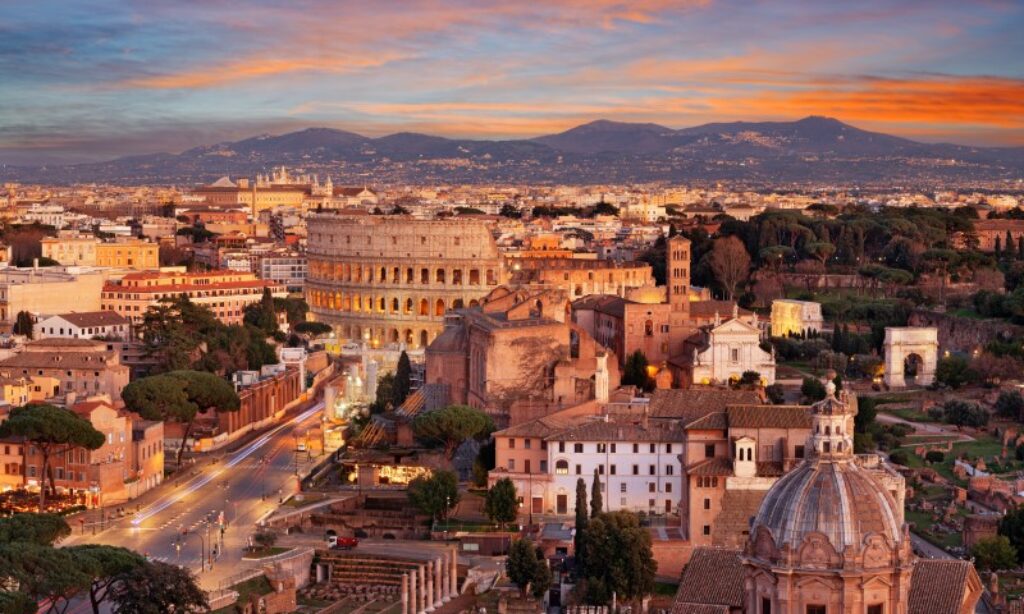
Source: Shutterstock
Rome still looks ancient, but tourism logistics have changed dramatically in the last decade. Visitor numbers have grown while authorities try to preserve fragile historic sites. That balance created stricter entry systems across many attractions.
The biggest mistake travelers make is assuming they can simply arrive and buy a ticket on the spot. Some places technically allow that, but availability is often gone by mid morning.
The attractions most affected by booking rules include:
- The Colosseum and Roman Forum operate with timed entries and limited daily capacity.
- The Vatican Museums often sell out several days in advance during peak season.
- Popular guided experiences such as food tours or cooking workshops fill quickly.
- Some churches and archaeological areas limit visitor numbers during restoration work.
Planning does not mean rigid scheduling, but it does mean reserving the most important experiences before you arrive.
A small amount of preparation removes a surprising amount of travel stress.
Experiences That Sell Out Faster Than You Expect
While monuments remain the main draw, the city has also become famous for immersive cultural experiences.
Food experiences in particular have become extremely popular. Travelers want to learn traditional recipes, understand local ingredients, and spend time in authentic kitchens rather than only eating in restaurants.
Booking a cooking class in Rome has become one of the most sought after activities for visitors who want to connect with Roman culture beyond museums and churches. Classes often include market visits, pasta making, and shared meals with local hosts. Because groups remain intentionally small, spaces can fill up quickly during the high season from April through October.
When planning your itinerary, consider reserving experiences that require limited group sizes well before your arrival.
Activities that frequently sell out include:
- Cooking workshops and culinary tours
- Small group Colosseum underground tours
- Vatican early access tours
- Evening food walks in Trastevere
These experiences often become the highlights of a trip, yet they are also the easiest to miss without early booking.
Major Attractions With Strict Entry Times
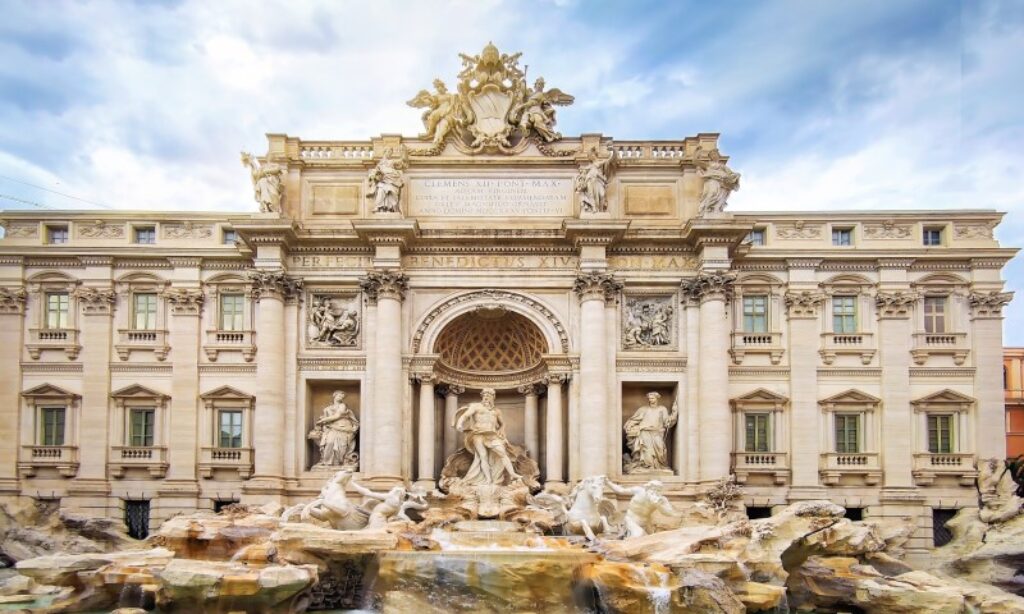
Source: Shutterstock
Rome’s most famous landmarks operate with timed ticket systems, which means visitors must enter at a specific time window rather than whenever they arrive.
Understanding these rules helps avoid one of the most frustrating travel scenarios in Rome: arriving at a major monument only to discover the next available entry is hours away.
Below is a quick overview of how entry systems work at some key sites.
| Attraction | Booking Rule | Tip |
| Colosseum | Timed entry tickets required | Reserve several days in advance |
| Vatican Museums | Strongly recommended to prebook | Morning slots sell out first |
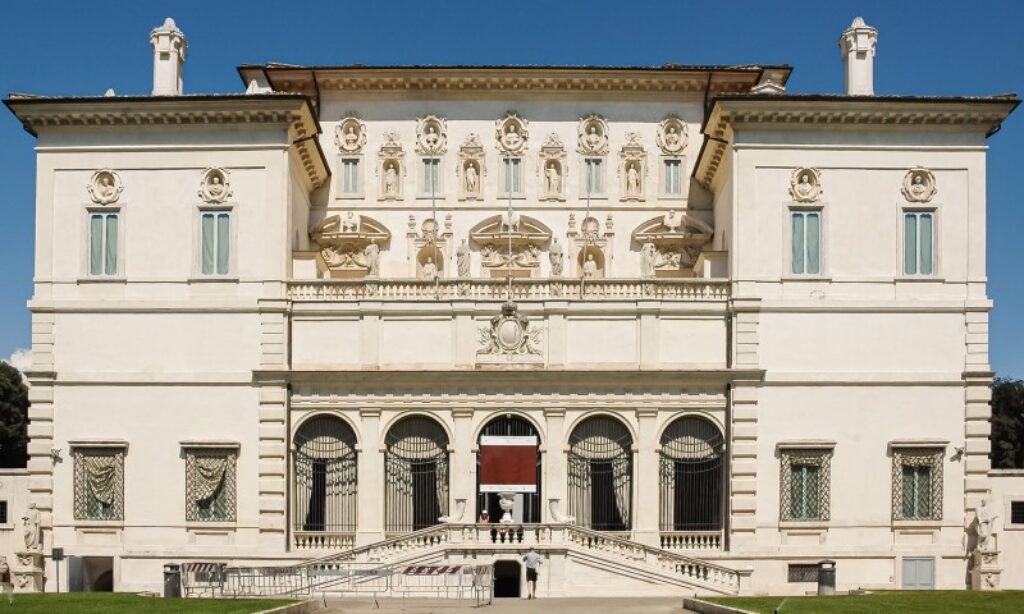
| Borghese Gallery | Mandatory reservation | Entry every two hours only |
| Castel Sant Angelo | Limited walk up tickets | Early arrival helps |
After viewing the table, one thing becomes clear. Rome’s biggest attractions operate almost like theaters with scheduled seating.
Visitors who plan entry times ahead usually spend far less time waiting and far more time actually enjoying the sites.
Seasonal Closures And Unexpected Schedule Changes
Source: Shutterstock
Rome rarely shuts down entirely, but schedules can shift throughout the year. Travelers often overlook seasonal closures or shortened opening hours.
Some sites close on specific weekdays while others reduce access during restoration work. Religious holidays also affect opening schedules across the city.
Several factors influence closures:
- Monday closures are common in museums and galleries across Italy.
- Religious events can temporarily restrict access to churches and the Vatican area.
- Restoration projects occasionally close sections of archaeological sites.
- Extreme summer heat sometimes shortens visiting hours for outdoor areas.
Did you know?
The Borghese Gallery limits visitors to about 360 people per time slot, making it one of the most controlled museum experiences in Rome. Tickets can sell out days ahead even in shoulder season.
Checking official opening hours a week before your visit can prevent surprises.
Rome has been operating this way for centuries. Maintenance and preservation often take priority over convenience.
The Biggest Planning Mistakes Travelers Make
Source: Shutterstock
Many travel mistakes in Rome happen before the trip even begins. A few small misunderstandings about timing and logistics can quickly snowball into missed experiences.
The most common planning errors include the following:
- Trying to see too many attractions in one day. Distances between major sites may appear short on a map but crowds and queues slow everything down.
- Skipping advance reservations. Waiting to book tickets until arrival can lead to sold out attractions.
- Underestimating walking time. Cobblestone streets and narrow alleys slow movement across the city.
- Ignoring midday breaks. Some smaller museums and family run restaurants close briefly in the afternoon.
- Visiting major sites only at peak hours. Early morning or late afternoon visits are usually calmer.
These mistakes are easy to avoid once you understand how Rome operates.
Travelers who leave breathing room in their schedules often end up enjoying the city far more.
Smart Booking Strategies For A Smooth Trip
Good planning does not mean over scheduling every minute. The goal is simply to secure the experiences that matter most.
A few strategic bookings can dramatically improve your trip while leaving space for spontaneous exploration.
Consider using the following approach when planning your itinerary.
- Reserve the Colosseum, Vatican Museums, and Borghese Gallery at least one week before arrival during peak season.
- Book small group experiences such as cooking classes or food tours early because spaces remain limited.
- Choose morning entry times whenever possible. Crowds tend to increase significantly after 10 AM.
- Spread major attractions across multiple days rather than stacking them into a single itinerary.
- Keep one or two flexible afternoons for wandering neighborhoods like Trastevere or Monti.
Rome rewards travelers who combine structure with curiosity. Planning the essentials simply frees you to enjoy everything else.
A Few Important Things First Time Visitors Often Miss
Source: Shutterstock
Rome has layers of history stretching across more than two thousand years. That depth sometimes hides practical details travelers do not immediately notice.
One of the biggest surprises is how large the historic center actually is. While famous landmarks appear close together on a map, walking between them can take longer than expected.
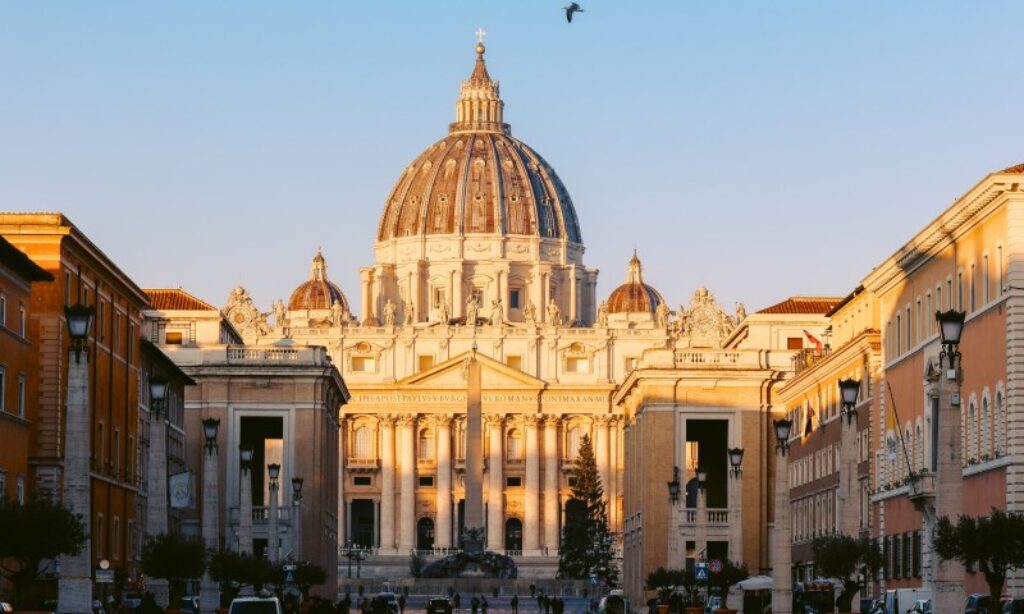
Another overlooked detail involves security checks. Major attractions such as the Colosseum and Vatican Museums require bag inspections similar to airport screening. Arriving at least 15 to 20 minutes before your scheduled entry helps avoid missing your time slot.
Important fact: Many Roman churches enforce dress codes requiring covered shoulders and knees. Visitors without appropriate clothing may be denied entry.
These small rules exist to protect historic sites and maintain cultural respect. Knowing them ahead of time makes navigating the city far easier.
Rome Rewards Preparation But Still Leaves Room For Surprise
Rome is one of the few cities where a simple walk can reveal ruins older than many countries. That magic still exists, even with modern booking systems and visitor limits.
Preparation simply ensures that the most important experiences remain within reach.
Visitors who reserve key attractions, check schedules, and understand entry rules often find themselves relaxing more once they arrive. Instead of waiting in long lines or scrambling for tickets, they can focus on wandering piazzas, tasting gelato, and discovering small corners of the city.