

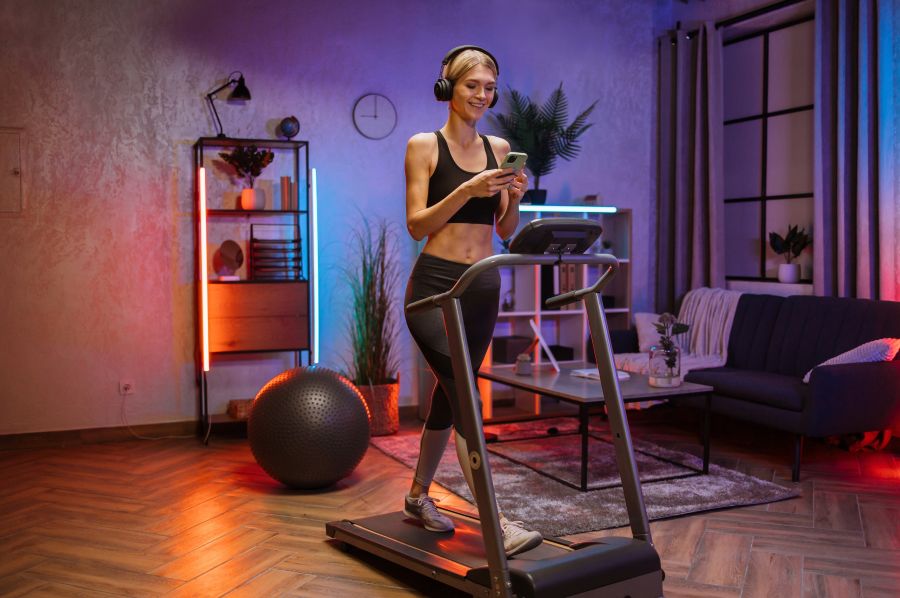
Home gyms have become a dominant solution for individuals seeking reliable and uninterrupted fitness routines. The increasing demand for home gyms reflects a shift toward control, efficiency, and independence in training environments. Traditional gyms introduce variables such as travel time, equipment availability, and external distractions, whereas home gyms remove these constraints entirely.
The concept of home gyms has expanded significantly. Modern home gyms are no longer limited to basic equipment setups. Instead, home gyms now range from compact multifunction systems to highly advanced, fully integrated training spaces. This scalability makes home gyms suitable for a wide range of users, from those starting out to experienced individuals refining performance.
Table of Contents
Defining Home Gyms
Source:shutterstock.com
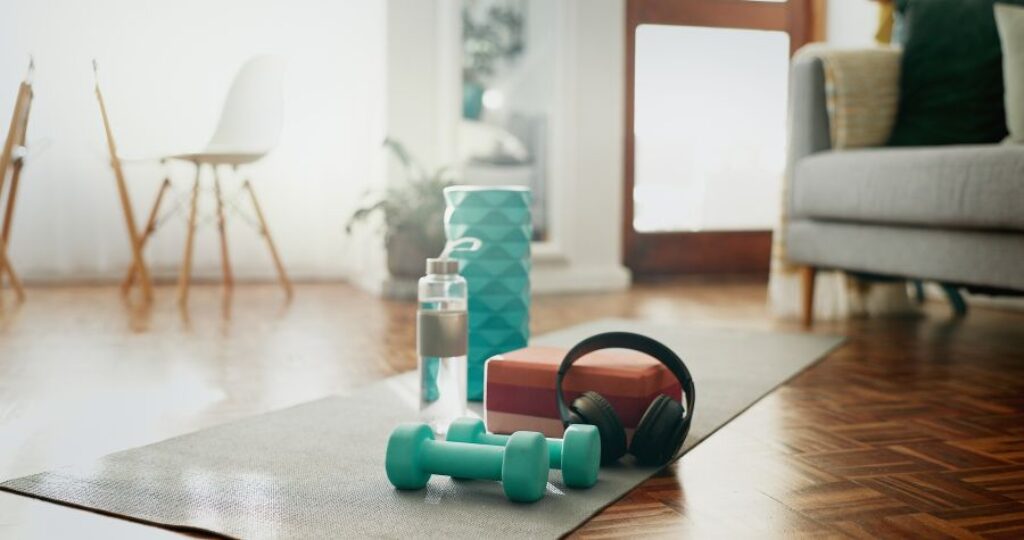
Home gyms are structured fitness environments established within residential spaces, designed to support strength training, cardiovascular conditioning, and functional movement. While the scale of home gyms varies, the core objective remains consistent: enabling effective training without reliance on external facilities. Common configurations of home gyms include:
- All-in-one training systems
- Cable-based functional setups
- Smith machine-integrated stations
- Free weight environments with racks and barbells
- Hybrid systems combining multiple training styles
The defining characteristic of home gyms is their ability to deliver targeted training outcomes within a controlled and efficient setup.
Categories Of Home Gyms
Multi-Station Home Gyms
Source: hms-fitness.com
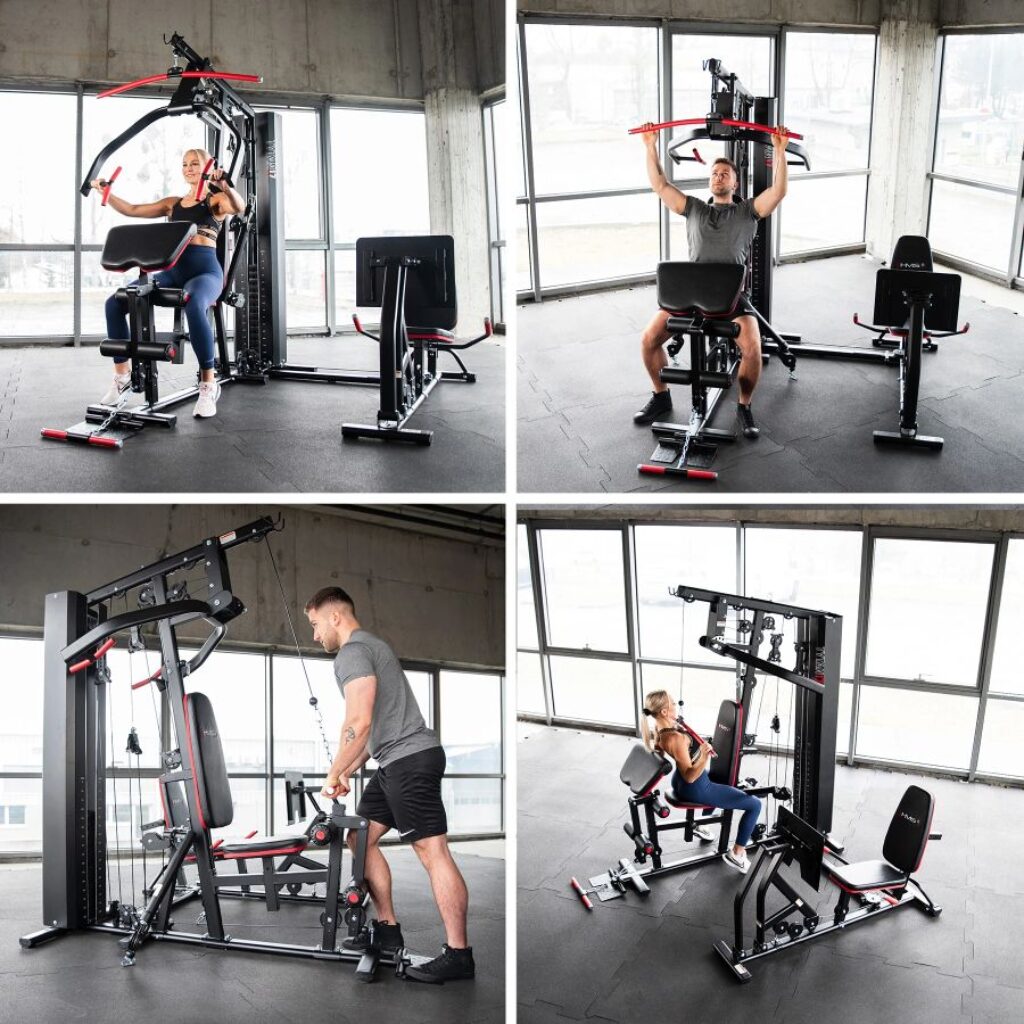
Multi-station home gyms provide a consolidated training solution that supports multiple exercises within a single structure. These home gyms are designed for efficiency, allowing users to perform full-body workouts without transitioning between separate machines. Exercises typically supported by multi-station home gyms include:
- Chest press
- Lat pulldown
- Seated row
- Leg extension and leg curl
- Cable-based isolation work
These home gyms are particularly effective for users who prefer structured and straightforward training routines.
Functional Trainer Home Gyms
Source: majorfitness.com
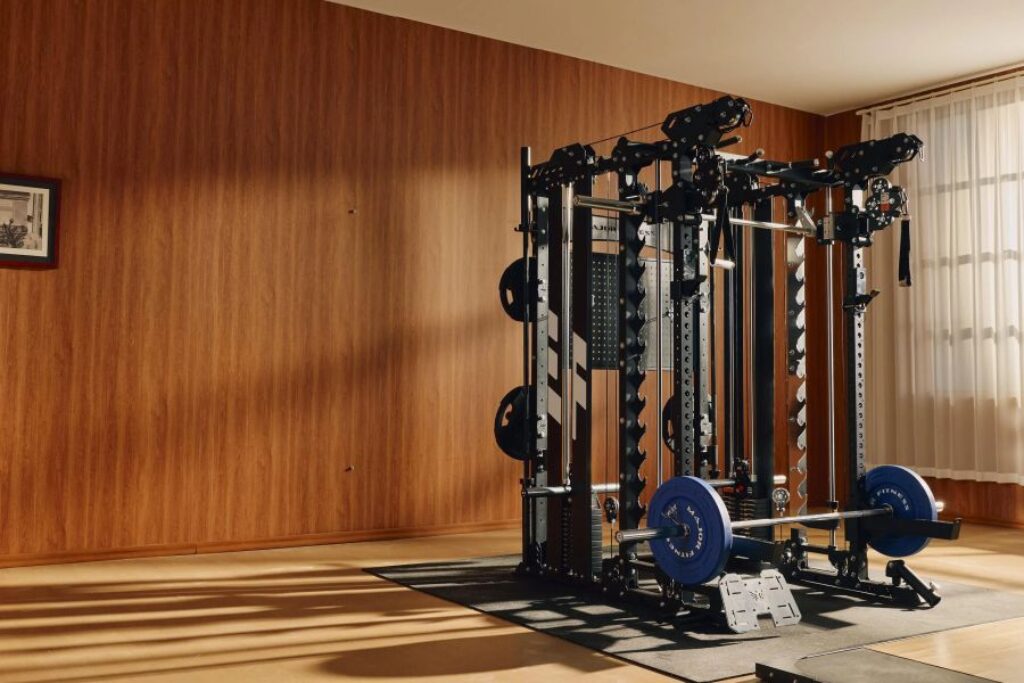
Functional trainer home gyms utilise dual adjustable pulleys that enable movement in multiple directions. These home gyms are highly adaptable and suitable for both strength and functional training applications. Functional trainer home gyms are commonly used for:
- Athletic performance training
- Core stabilisation
- Dynamic movement patterns
- Rehabilitation exercises
These home gyms are ideal for individuals prioritising flexibility in their training approach.
Smith Machine Home Gyms
Source: fitnessprogramer.com
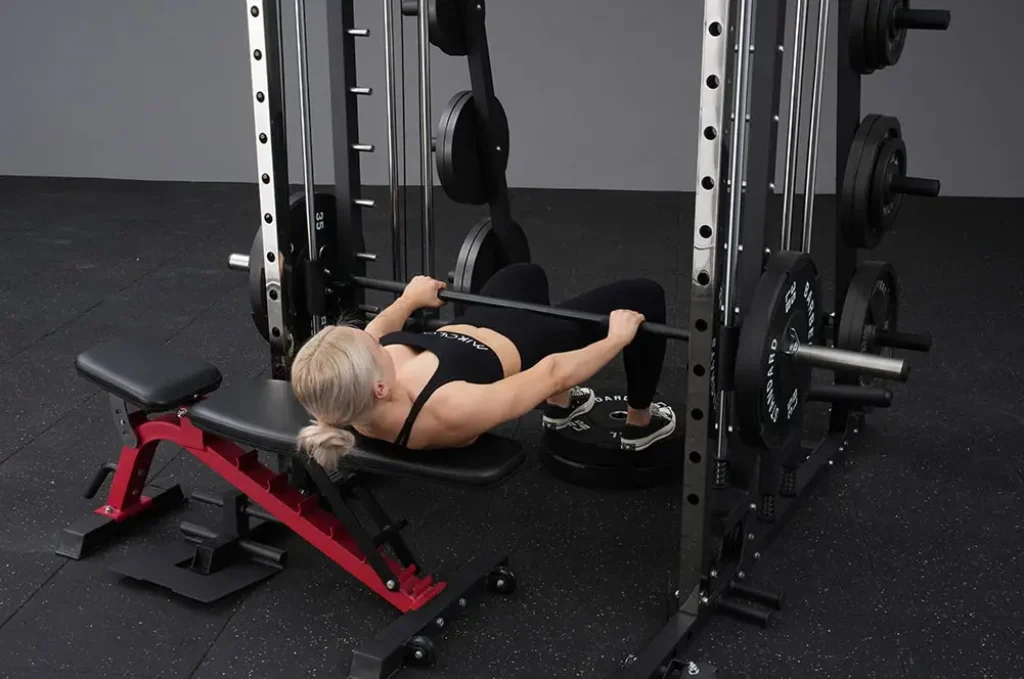
Smith machine home gyms feature a guided barbell system that enhances control and stability during lifting. These home gyms are particularly beneficial for those training alone, as they reduce the need for external assistance. Common exercises within Smith machine home gyms include:
- Squats
- Bench press
- Shoulder press
- Controlled heavy lifts
Many modern home gyms integrate Smith machines with cable systems to increase overall versatility.
Free Weight Home Gyms
Source: marcypro.com
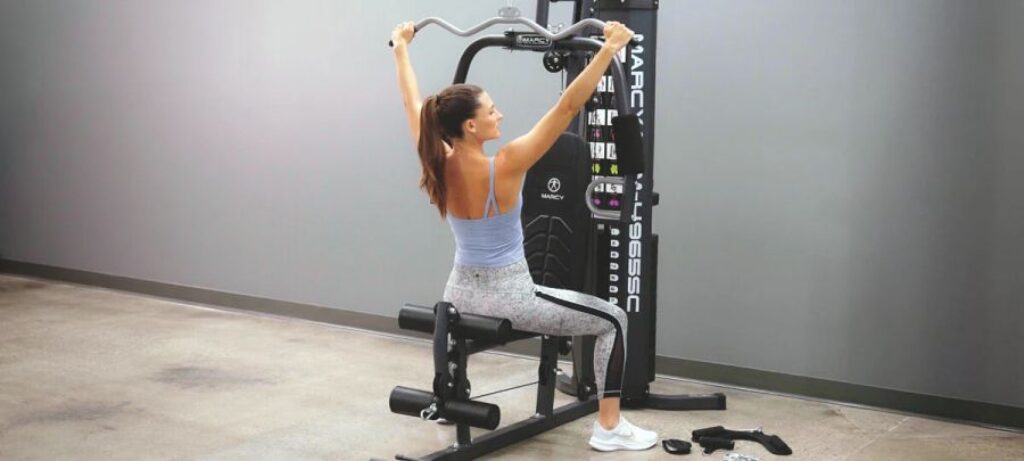
Free weight home gyms consist of dumbbells, barbells, and structural equipment such as power racks. These home gyms allow natural movement patterns and are widely recognised for their effectiveness in strength development. Free weight home gyms are ideal for:
- Progressive overload
- Muscle hypertrophy
- Compound lifts
The flexibility of free weight home gyms allows ongoing progression as strength increases.
Hybrid Home Gyms
Source: centr.com
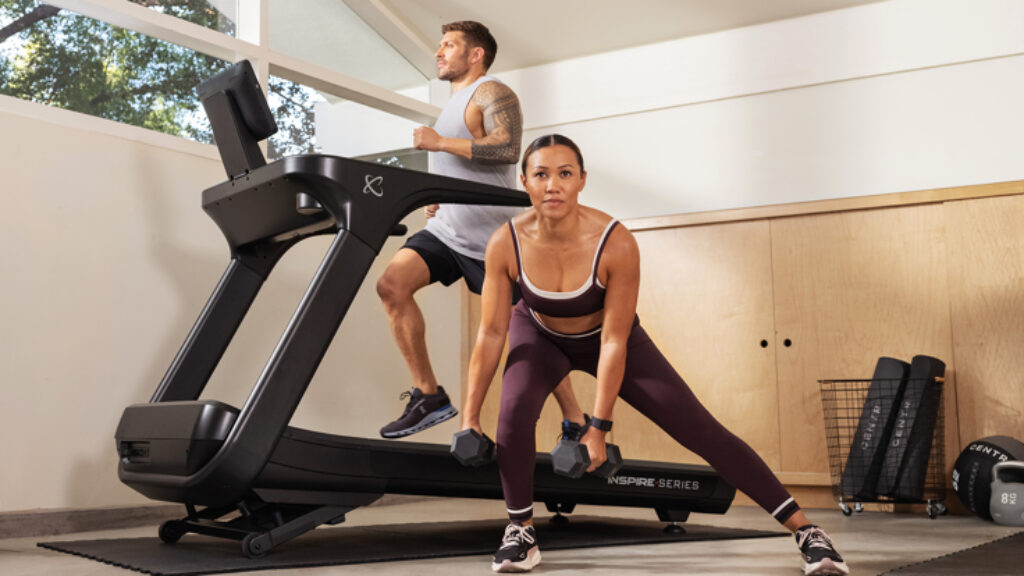
Hybrid home gyms combine machine-based systems with free weight equipment to create a complete training environment. These home gyms offer a balance between guided movement and unrestricted lifting, closely replicating commercial gym capabilities.
Key Benefits Of Home Gyms
Improved Time Management
Home gyms eliminate the need for commuting and waiting, allowing training to begin immediately. This efficiency increases the likelihood of maintaining a consistent routine.
Long-Term Financial Efficiency
Although the upfront cost of home gyms can vary, they often become more economical over time compared to ongoing membership fees. This makes home gyms a practical long-term investment.
Consistent Training Environment
Home gyms provide a stable and predictable environment, which supports consistent performance and measurable progress.
Enhanced Focus and Privacy
Home gyms remove external distractions, enabling users to concentrate fully on their training sessions.
Expandable Setup
Home gyms can be developed gradually. Users can start with essential equipment and expand as their training needs evolve.
Selecting The Right Home Gyms Setup
Space Planning
The available training area plays a crucial role in determining suitable home gyms. Compact home gyms are designed for smaller spaces, while more advanced systems require additional room. Smaller setups may include:
- Compact cable machines
- Adjustable dumbbells
- Foldable racks
Larger spaces can support:
- Multi-station home gyms
- Smith machine setups
- Hybrid home gyms
Aligning With Training Goals
The purpose of training should guide the choice of home gyms:
- Strength-focused training aligns with racks or Smith machines
- General fitness is well supported by multi-station home gyms
- Athletic development benefits from functional trainer home gyms
- Comprehensive training goals suit hybrid home gyms
Budget Considerations
Home gyms are available across a wide price range. Higher-quality home gyms typically offer improved durability, smoother operation, and greater versatility.
Essential Elements Of Home Gyms
Source: prolinedirect.co.uk
Primary Equipment
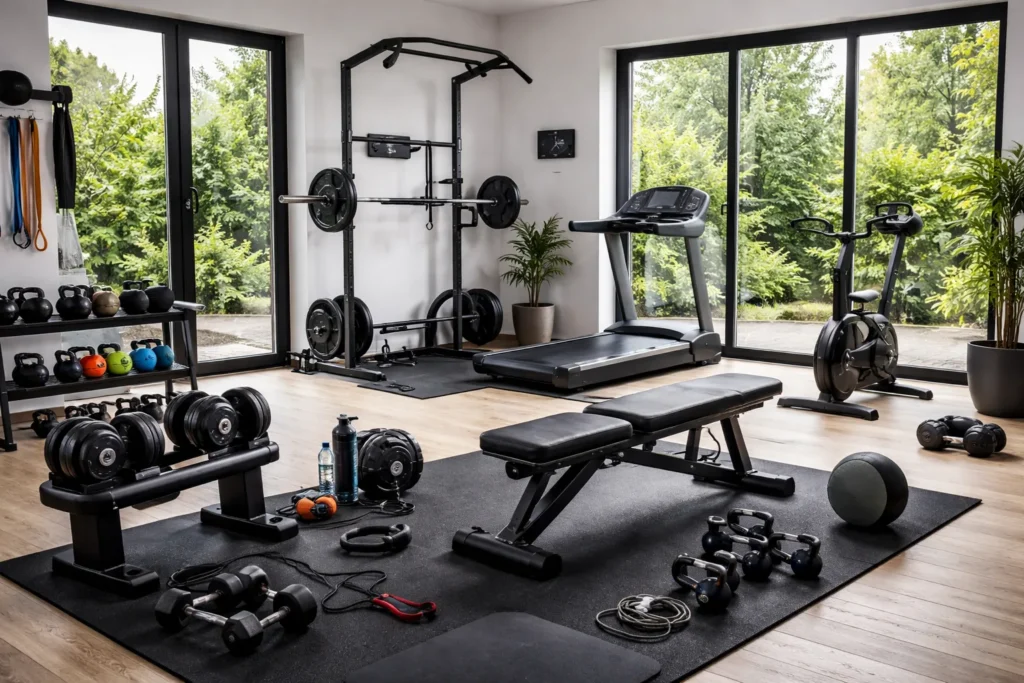
Effective home gyms are built around key components:
- A central training system (machine or rack)
- Adjustable bench
- Free weights such as dumbbells or barbells
Supporting Equipment
Additional accessories enhance the functionality of home gyms:
- Resistance bands
- Kettlebells
- Cable attachments
- Protective flooring
Cardio Integration
Cardio equipment can complement strength-based home gyms:
- Treadmills
- Rowing machines
- Exercise bikes
Home Gyms by Training Level
Beginner Home Gyms
Beginner-focused home gyms typically include:
- Multi-station system
- Adjustable dumbbells
- Bench
Strength-Oriented Home Gyms
Strength-focused home gyms prioritise:
- Power rack or Smith machine
- Barbell and weight plates
- Bench
Performance-Oriented Home Gyms
Performance-based home gyms include:
- Functional trainer
- Free weights
- Conditioning equipment
Advanced Home Gyms
Advanced home gyms may feature:
- Functional trainer
- Smith machine
- Leg press
- Cardio machines
Sourcing Reliable Home Gyms
Source: fittesttravel.com
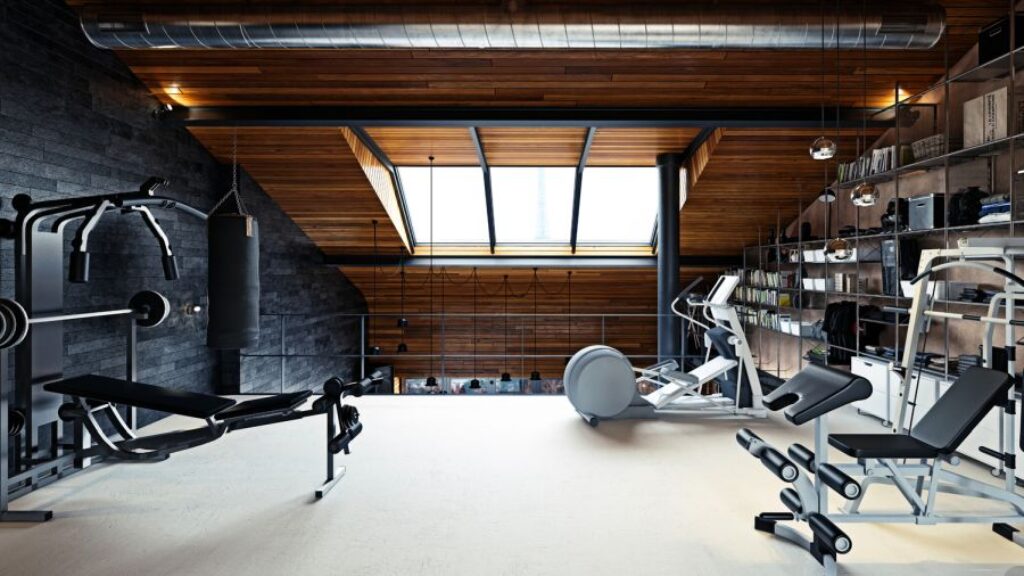
Choosing quality equipment is essential when building home gyms. Working with a trusted supplier ensures compatibility and durability across components. Reviewing a dedicated selection of home gyms can provide clarity on available options, pricing, and configurations, enabling informed decisions.
Home gyms represent a strategic investment in long-term health and training efficiency. The effectiveness of home gyms is determined by how well they align with individual goals and how consistently they are used. A well-designed setup ensures that home gyms remain relevant, adaptable, and effective over time.
The continued growth of home gyms highlights the increasing demand for personalised fitness environments. By carefully evaluating space, objectives, and equipment, individuals can build home gyms that support sustainable progress and long-term results.
FAQ
What are home gyms used for?
Home gyms are used to perform strength, cardio, and functional training within a private residential setting.
How much room do home gyms require?
Most home gyms need between 1.5m x 2m and 3m x 3m depending on the equipment included.
Are home gyms financially worthwhile?
Home gyms typically become cost-effective over time when compared to ongoing gym membership fees.
Which home gyms are best for beginners?
Multi-station home gyms are commonly recommended for beginners due to their ease of use.
Can home gyms build muscle effectively?
Home gyms can support muscle growth when combined with proper programming and progressive overload.
What equipment is necessary for home gyms?
Core home gyms equipment includes a main training system, a bench, and free weights.
Do home gyms need regular maintenance?
Home gyms require periodic checks, cleaning, and adjustments to ensure safe operation.
Can home gyms be shared by multiple users?
Many home gyms are adjustable and suitable for use by multiple individuals.
What is the difference between machine and free weight home gyms?
Machine-based home gyms guide movement, while free weight home gyms allow unrestricted motion.
Can home gyms be upgraded over time?
Home gyms can be expanded gradually as training needs and experience increase.