

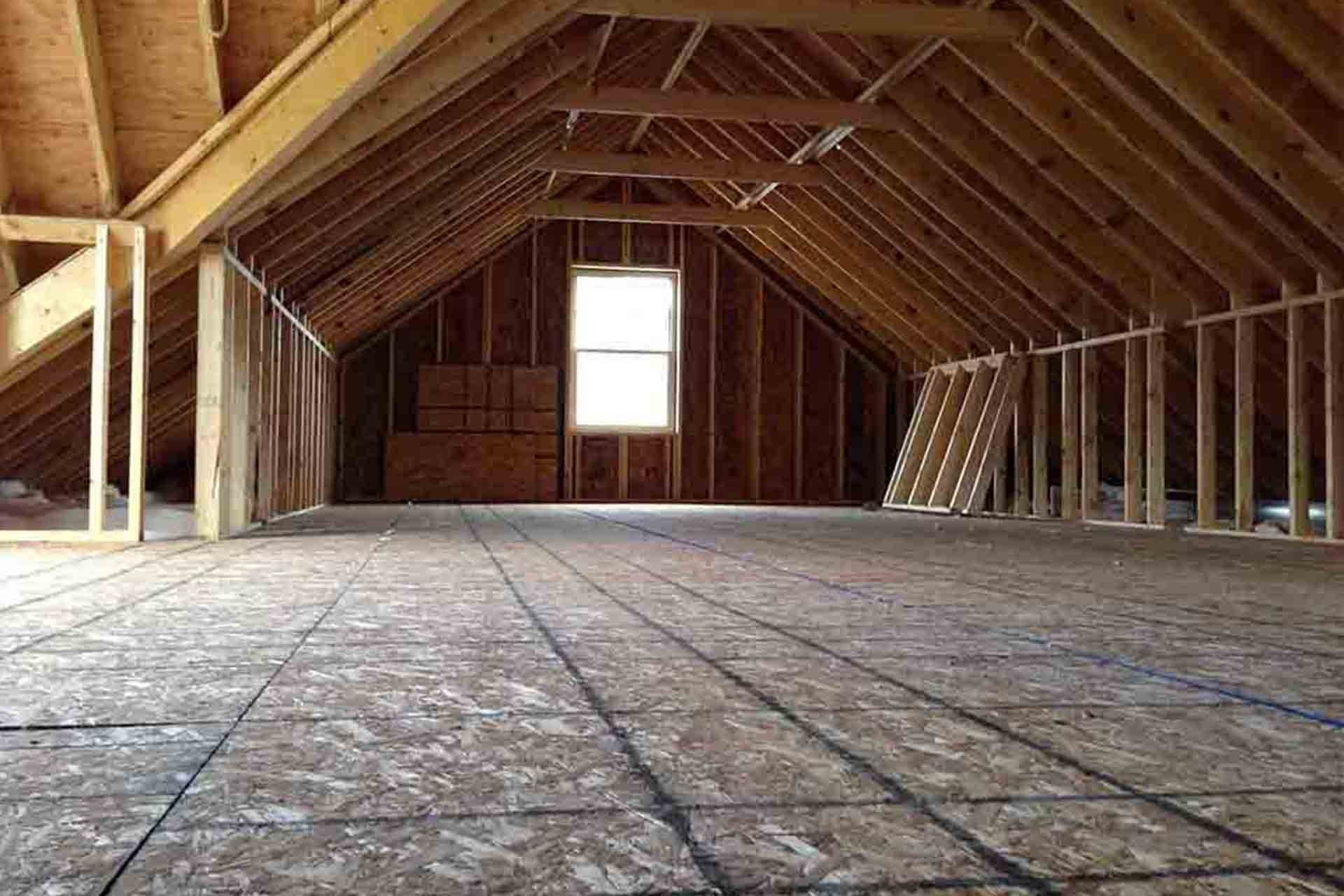
Many homes contain an underused loft that holds far more potential than simple storage for old boxes. When planned carefully, a loft can become a practical extension of the home, offering safer access, greater organisation, and improved energy efficiency.
Homeowners often overlook the loft because it feels awkward or unsafe to enter, yet small improvements can transform it into an accessible and functional area.
Making the most of this space begins with understanding its structure, limitations, and the ways in which you can adapt it without undertaking a full conversion.
Table of Contents
Assessing the Loft Before Any Work Begins
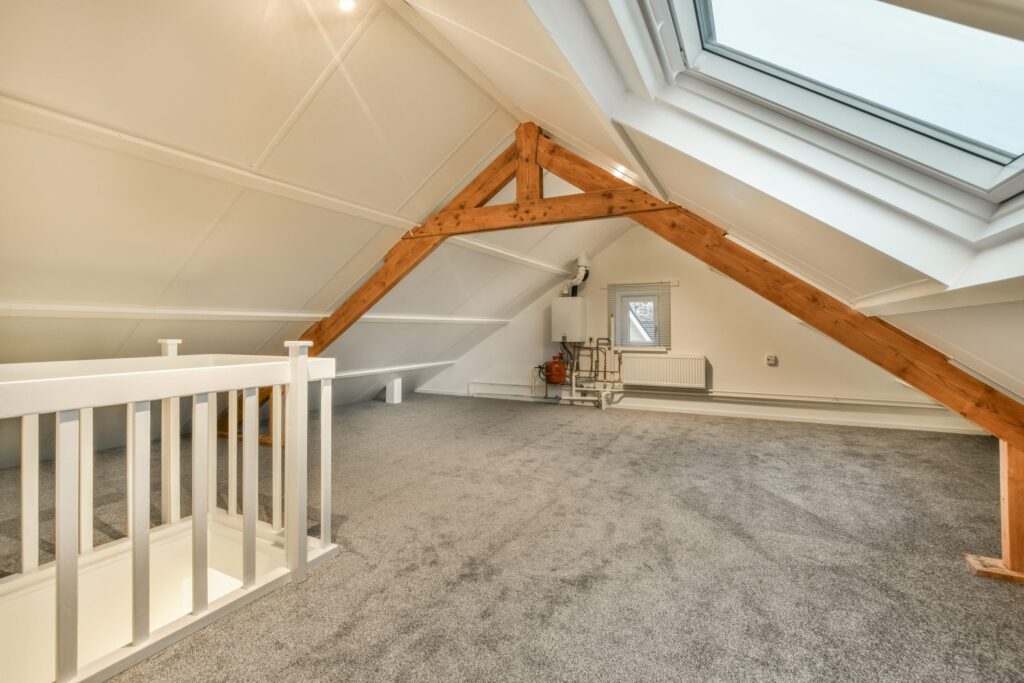
Source: loftlife.net
Before any enhancements take place, assessing the existing conditions is vital.
The height of the loft, the spacing of the joists, and the condition of the insulation all influence what can be achieved. Many older properties have joists designed only to support the ceiling below, not regular foot traffic.
Taking time to examine these factors helps create a plan that enhances usability without putting strain on the structure.
Moisture levels, ventilation, and the presence of any existing wiring or pipework should also be reviewed, ensuring that the space is safe and compliant with current building standards.
Creating Better Access to the Loft
Good access is essential for turning a neglected loft into a practical part of the home. Wobbly ladders or narrow openings can make the space inconvenient, discouraging regular use.
A properly fitted loft hatch and secure ladder simplify entry and reduce the risk of injury. Homeowners may also consider adjusting the opening size to allow for easier movement of larger items.
Improving access alone often makes the loft feel more inviting, encouraging more efficient use of the space.
Strengthening the Loft Floor
Once access is safe and practical, attention often turns to strengthening the loft floor. This is a key step when the aim is to use the area for storing items in an organised way.
Standard ceiling joists are not typically built to bear heavy loads, so reinforcing them helps prevent sagging or structural damage.
In this context, loft boarding installation plays a central role. Boarding creates an even, stable surface that spreads weight more safely and provides a solid foundation for storing household belongings.
Managing Insulation and Airflow

Source: changeworks.org.uk
Insulation is another essential consideration. Many homes already have insulation laid between the joists, and any improvements must work around this.
Compressing insulation can reduce its effectiveness, which increases heat loss and energy costs.
Raised boarding systems allow insulation to maintain its full depth, preserving the thermal performance of the home.
Adequate ventilation must also be maintained to avoid condensation build-up, which can lead to mould or timber issues if left unresolved.
When airflow and insulation are balanced correctly, the loft becomes more stable, energy-efficient, and protected from moisture.
Improving Lighting and Organisation
Lighting in the loft is often limited to a single bulb hanging from the centre of the space. Improved lighting makes the loft far easier to navigate, whether through brighter bulbs, additional fixtures, or energy-efficient alternatives.
Once lighting is in place, thoughtful organisation completes the transformation.
Labelled containers, shelving, and clear pathways allow the loft to function as a practical storage area rather than a cluttered drop-zone.
A well-organised loft saves time, reduces household stress, and encourages routine maintenance of the stored items.
Safety Considerations for Long-Term Use
Safety remains a constant priority when adapting any loft. Fire safety regulations, electrical safety, and the stability of the flooring should all be kept in mind.
Heavy or bulky items should be stored close to the loft entrance to avoid walking long distances while carrying weight.
Regular inspections help maintain the integrity of the space, ensuring that no insulation has shifted, wiring has been disturbed, or ventilation has become blocked.
These small checks help preserve both safety and the overall usefulness of the loft.
Making the Most of an Underused Space
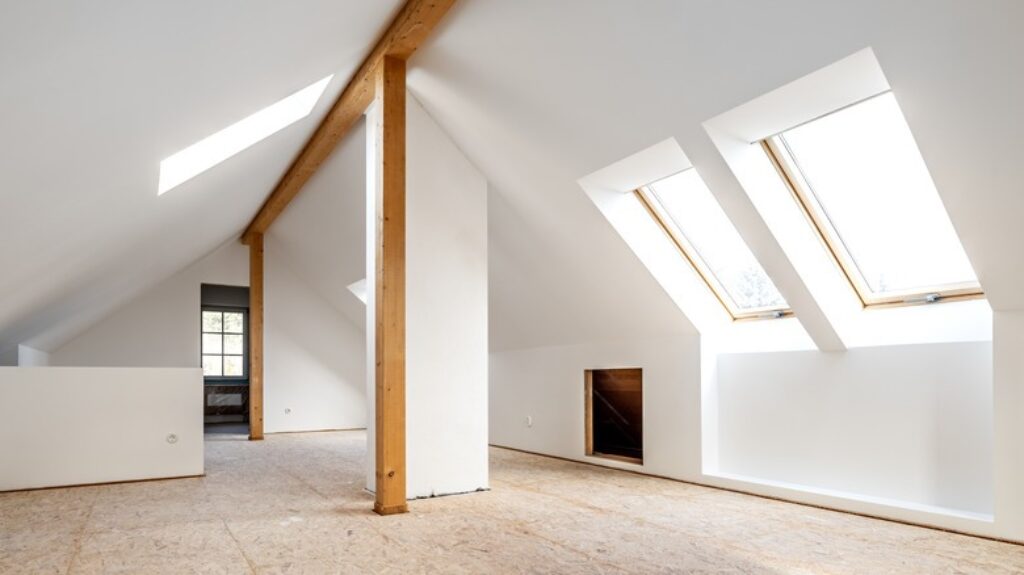
Source: housedigest.com
Transforming a loft into a safe and structured area provides long-lasting benefits.
It frees up space in living areas, allows better organisation of household items, and enhances the property’s overall functionality.
Even modest improvements can make a significant difference.
By strengthening the floor, maintaining the insulation, improving access, and creating thoughtful storage systems, the loft becomes an asset rather than an afterthought.
This approach allows homeowners to use the space more effectively without the need for a full conversion, turning an overlooked area into a valuable part of daily living.