

Urban design is concerned with the arrangement, appearance, and usability of urban spaces. It looks beyond individual developments to consider how streets, squares, parks, and buildings work together as a coherent whole. This discipline addresses scale, density, connectivity, and character, aiming to create places that are functional, inclusive, and adaptable over time.
Unlike architecture, which often focuses on single structures, urban design takes a broader view. It considers how people move through spaces, how areas change throughout the day, and how different land uses interact. Effective design responds to local context, history, and culture while accommodating modern needs.
Table of Contents
The Scope of Urban Design Services
Urban design services typically cover a wide range of activities, from strategic planning to detailed design guidance. At a strategic level, this can include masterplanning for large sites, regeneration areas, or new settlements. These plans set out long-term visions for land use, movement, green infrastructure, and built form.
At a more detailed level, services may involve public realm design, street layouts, design codes, and development frameworks. These documents guide future development to ensure consistency and quality while allowing flexibility. Urban designers often work alongside planners, engineers, ecologists, and community groups to balance technical requirements with social and environmental goals.
Public Space and the Urban Environment
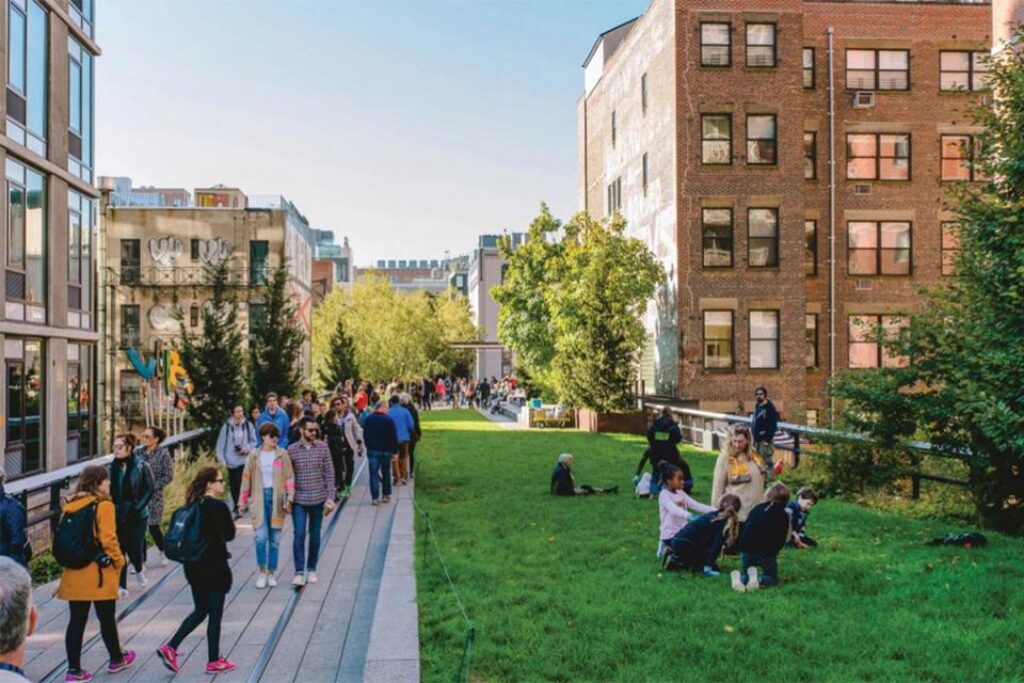
Public spaces are a core focus of urban design. Streets, squares, parks, and waterfronts provide places for movement, interaction, and leisure. Their design influences how safe, accessible, and welcoming an area feels. Factors such as lighting, materials, seating, planting, and visibility all contribute to how people experience these spaces.
Well-designed public environments can support active travel, reduce reliance on cars, and encourage social interaction. They also play a role in local identity, reflecting the character and history of an area. Urban design services often assess how public spaces are used and how they can be improved to better meet community needs.
Source: timesofmalta.com
Movement, Connectivity, and Accessibility
Movement is a fundamental consideration in urban design. This includes how pedestrians, cyclists, public transport, and vehicles interact within a place. Designing clear, legible routes helps people navigate cities more easily and supports more sustainable modes of travel.
Connectivity between neighbourhoods, services, and employment areas affects social inclusion and economic opportunity. Urban design looks at block sizes, street patterns, and crossings to ensure areas are permeable rather than isolated. Accessibility is also central, with attention given to inclusive design so that spaces can be used by people of all ages and abilities.
Environmental and Social Considerations
Environmental factors are increasingly embedded in urban design. Issues such as climate change, biodiversity loss, and resource efficiency influence how urban areas are planned and designed. Green infrastructure, including trees, parks, and sustainable drainage systems, helps manage heat, flooding, and air quality while enhancing visual amenity.
Social considerations are equally important. Urban design seeks to create places that support community life, health, and wellbeing. This involves understanding how different groups use space and ensuring that developments do not exclude or disadvantage certain populations. Mixed-use areas, adaptable spaces, and human-scale design can contribute to more resilient communities.
Urban Design in Planning and Development
Urban design services often support the planning process by providing evidence-based design advice. Local authorities may use urban design frameworks or supplementary planning documents to guide development and assess proposals. Developers may commission design studies to demonstrate how schemes respond to context and policy.
Design review panels and public consultations are also part of this process, helping to raise design quality and encourage dialogue between stakeholders. Urban design acts as a bridge between policy intentions and physical outcomes, translating abstract goals into tangible places.

Source: universidadeuropea.com
The Evolving Role of Urban Design
As cities face complex challenges, the role of urban design continues to evolve. Digital tools, data analysis, and community engagement methods are changing how designers understand and shape urban environments. There is also growing recognition of the need for long-term thinking, with designs that can adapt to social, economic, and environmental change.
Urban design services are not solely about aesthetics but about creating functional, equitable, and sustainable places. By considering how people live, move, and interact, urban design contributes to the ongoing development of cities that can support future generations.