
The classic British conservatory is an architectural staple, a beautiful way to bridge the gap between indoor comfort and the natural world. Historically, it offered a delightful sun trap and a space for cultivating exotic plants. However, for many homeowners, the dream of a light-filled extension often gives way to a harsh reality: a room that is either sweltering hot in summer or bitterly cold in winter. This common issue transforms a potential extra living area into little more than expensive storage for nine months of the year.
The challenge lies in the very nature of a traditional conservatory’s construction. Vast expanses of glass or polycarbonate roofing, while aesthetically pleasing, offer minimal thermal performance. This characteristic leads to a rapid transfer of heat, a process known as the ‘greenhouse effect’ on sunny days, and swift heat loss when the temperatures drop. This thermal imbalance is not just a matter of discomfort; it also has a notable impact on the energy efficiency of the main dwelling, often leading to increased heating bills as warm air is constantly pulled towards the colder conservatory space.
Table of Contents
Understanding the Thermal Dynamics of a Glazed Roof
To genuinely integrate a conservatory into the fabric of your home, making it a usable extension for all seasons, you must address the primary source of heat transfer: the roof. Traditional glazing or polycarbonate is simply an inadequate material for achieving modern standards of thermal retention. They struggle to maintain a comfortable ambient temperature, which is why many owners find themselves abandoning the room during periods of extreme weather.
The solution is not necessarily to rebuild the structure entirely, which can be disruptive and costly, but rather to enhance the existing structure’s thermal properties significantly. Modern conservatory roof insulation methods focus on creating a highly effective thermal barrier on the inside of the existing roof frame. This approach tackles the problem head-on, drastically reducing heat gain from the sun during summer and slowing the escape of warmth during colder months.
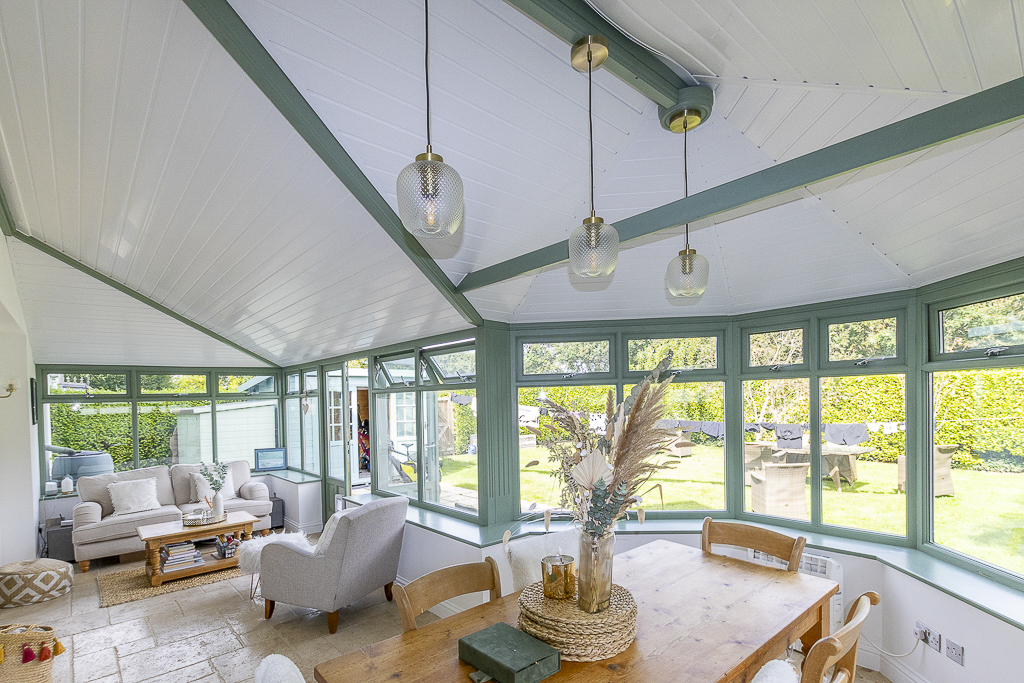
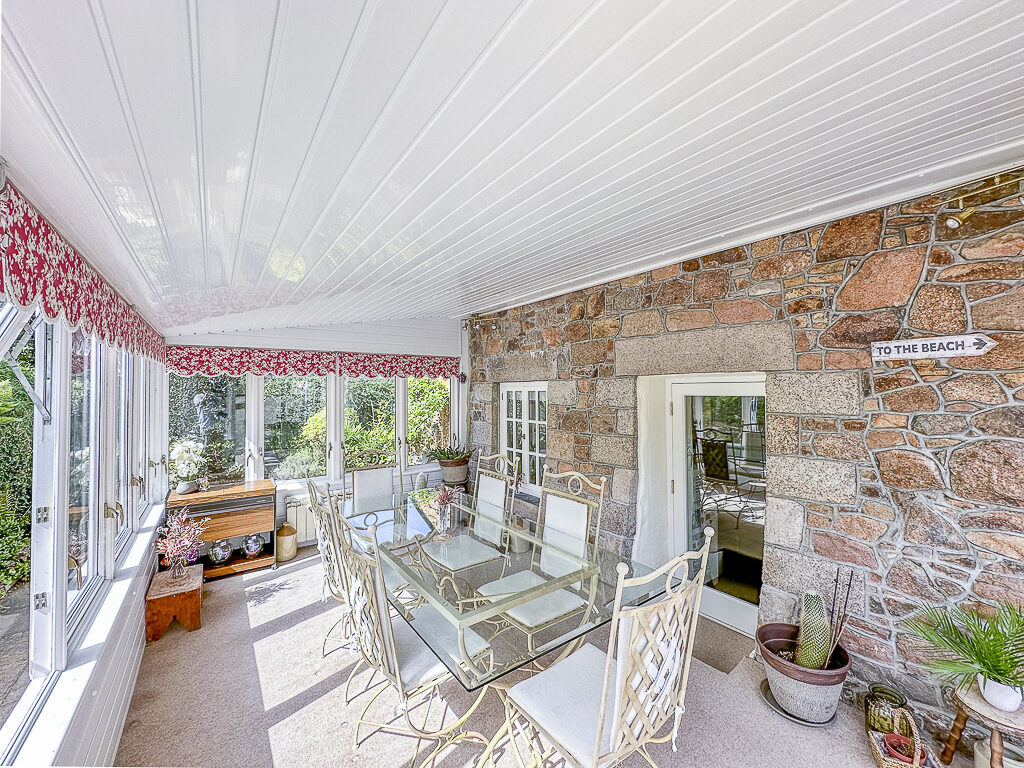
A high-quality insulation layer typically comprises multiple reflective and insulating membranes, specifically designed to meet rigorous building regulations for thermal performance. Once installed, the finish is usually a plasterboard ceiling, which offers a clean, contemporary aesthetic, effectively transforming the room into something resembling a conventional, insulated extension. The change in atmosphere is immediate, offering a far more stable and comfortable environment regardless of the external weather.
Maximising Comfort and Value with a Solid Ceiling
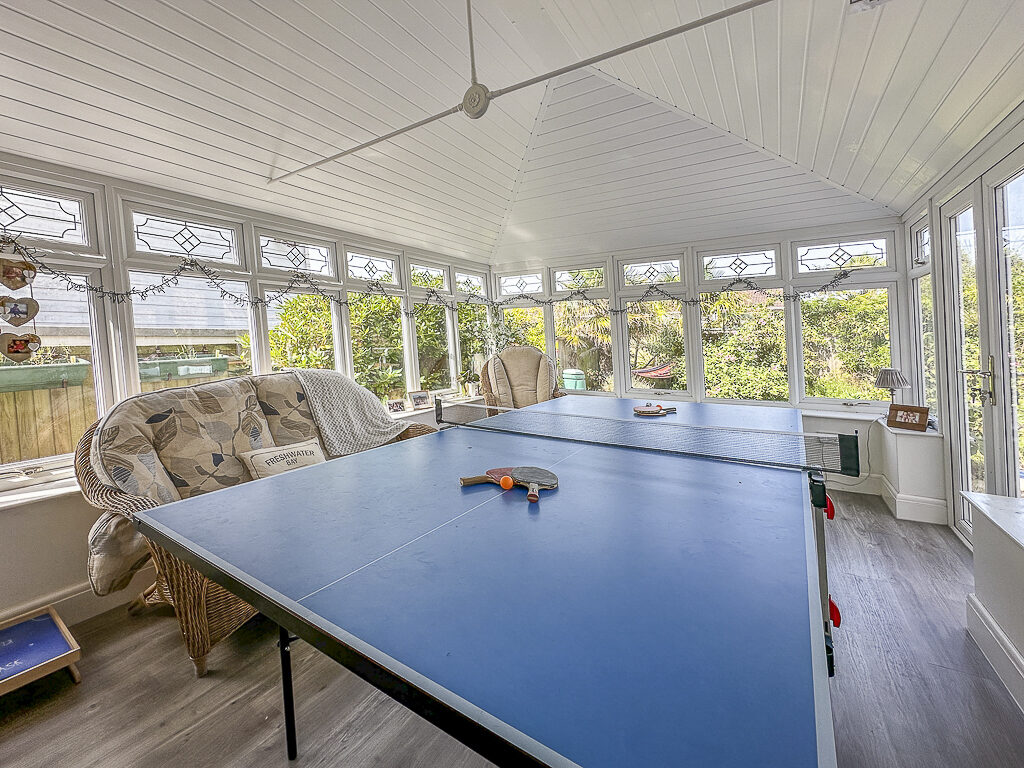
Beyond the obvious comfort benefits, investing in a robust conservatory roof replacement or, more accurately, an internal insulation system, offers tangible long-term advantages. Firstly, it allows for year-round usability. That previously wasted room can now become a home office, a dining area, a playroom, or simply a tranquil living space, immediately boosting the usable square footage of your property.
Secondly, the improvement in thermal performance is significant for your household economy. By creating an effective barrier against temperature extremes, the reliance on supplemental electric heaters or air conditioning units within the conservatory is dramatically reduced. This decreased energy consumption translates directly into lower utility bills, making the enhancement a sound financial investment over time. For those considering modernising their existing structure, understanding the best approaches to conservatory insulation is key. Experts in this field, like Ambivo, can provide specialist advice and tailored solutions for this type of thermal upgrade.
Finally, an insulated, aesthetically finished conservatory is a highly desirable feature for prospective buyers. It eliminates the common objection about the room’s impracticality, adding considerable value and marketability to the property. It moves the structure from being a mere temporary addition to a fully integrated and valuable part of the home.
Considering the Practicalities of Installation

Homeowners often worry about the complexity and duration of such a project. However, specialist insulation firms have streamlined the process significantly. The key benefit of an internal insulation system is that it works within the existing structure. There is no need for major external construction work or disruption to the outer shell of the conservatory.
A typical installation involves carefully fitting a multi-layered insulating material between the existing roof rafters, followed by a batten system, and then the final internal ceiling finish. Reputable providers should ensure that ventilation is maintained where necessary and that all materials comply with relevant fire safety and insulation standards. Selecting a solution that has been thoroughly tested and proven to maintain a comfortable ambient temperature, even on the hottest or coldest days, is essential for a successful conservatory refurbishment.
Ultimately, reclaiming the conservatory from the unpredictability of the climate is a practical, cost-effective upgrade that enhances daily life. It is the crucial step in transforming a seasonal space into a truly valuable, energy-efficient addition to your home, offering comfort and functionality 365 days a year.