


Participants in group fitness classes often lose exercise accuracy when instructions are unclear or transitions between movements happen too quickly. That small detail can make a big difference. If people do not understand the next movement or how it should feel, the entire rhythm of the class breaks down.
Anyone who has coached a room full of people knows the challenge. Some participants have years of training experience. Others may be attending their first structured workout. Coordination levels vary. Fitness levels vary. Attention spans vary.
Clear structure and simple coaching cues help bridge those differences. When a class is organized well and instructions are easy to follow, participants spend less time trying to figure out the workout and more time actually training. The result is a safer session, smoother class flow, and better engagement for everyone in the room.
Table of Contents
Key Elements That Make Group Workouts Easier to Follow
Source: formfactory.cz
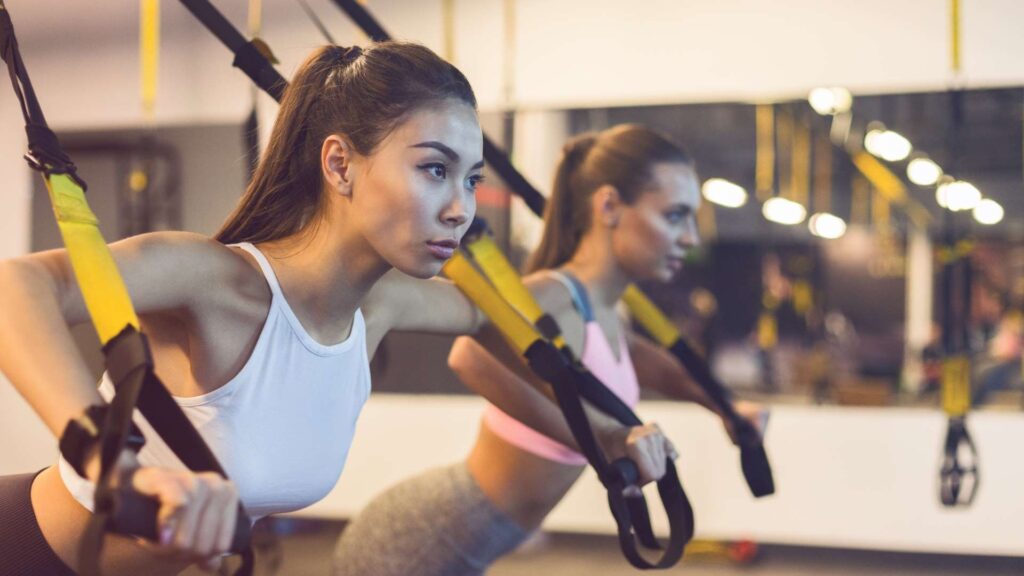
When planning a group training session, instructors should focus on a few core elements that help participants stay synchronized and confident throughout the workout.
| Element | Why It Matters |
| Clear cues | Helps participants understand movements quickly |
| Logical workout structure | Keeps the class organized and predictable |
| Progressions | Allows stronger participants to advance safely |
| Regressions | Helps beginners maintain proper form |
In many group training environments, instructors rely on visual tools to help participants understand the workout flow before the session even begins.
Digital workout boards and class displays can make a big difference when participants need to quickly recognize the next exercise or interval. Platforms like Fit Viz allow instructors to present workouts visually, helping participants follow the structure of the session without constant verbal reminders.
Plan the Workout Structure Before the Class Begins
Source: yahoo.com
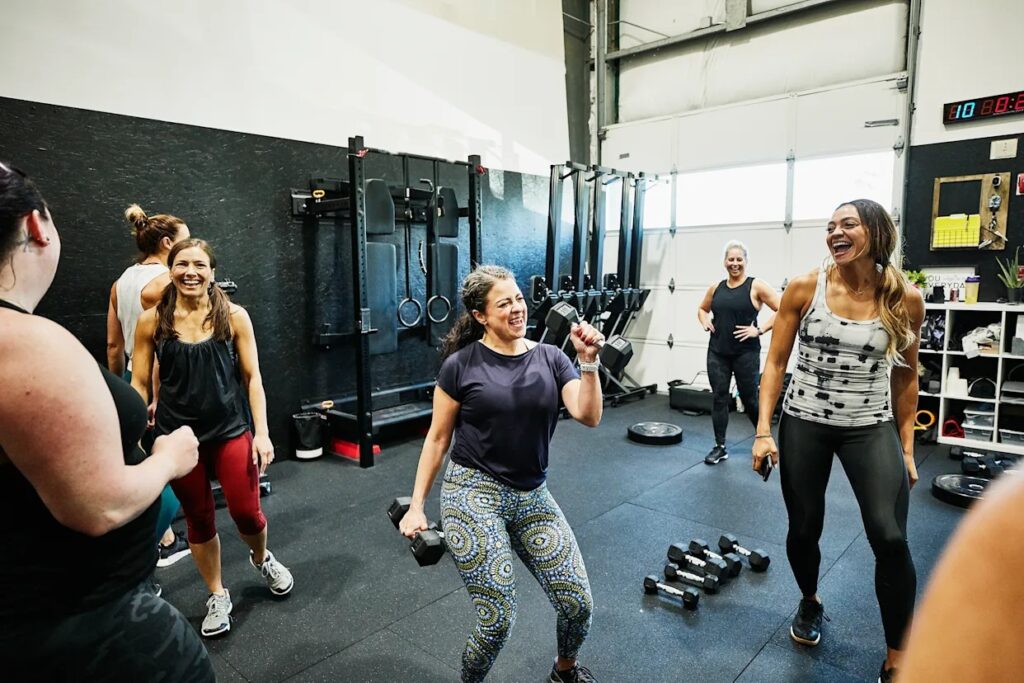
Before thinking about cues or corrections, the first step is designing a workout that is easy to follow. Poorly organized programming is one of the main reasons group classes feel chaotic.
A clear session structure helps participants understand the purpose of each phase of the workout.
Most effective group workouts follow a sequence similar to this:
- Warm up to prepare joints, muscles, and coordination
- Main training blocks where most exercises take place
- A peak effort segment that challenges participants
- A cool down phase that brings intensity back down
Consistency in structure makes participants feel comfortable. After attending a few classes they begin to recognize the rhythm of the session.
Did you know?
Research on group training behavior shows that predictable class structure improves participant confidence and retention in fitness programs. People perform movements more effectively when they know what type of activity is coming next.
Use Clear and Simple Coaching Cues
Source: concisextraining.com.au
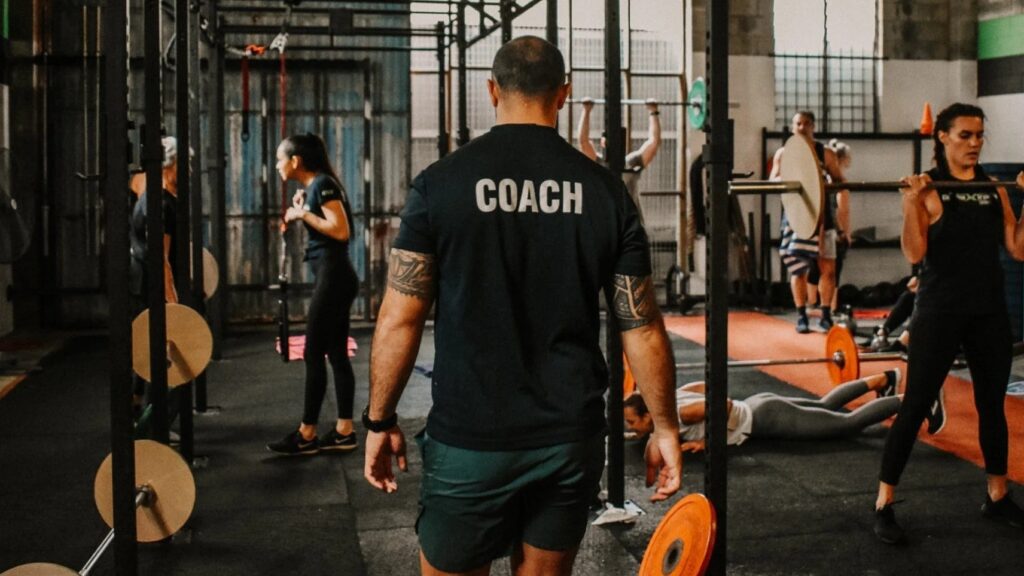
Cueing is one of the most valuable skills a fitness instructor can develop. Participants cannot follow instructions that are overly technical or too long.
Short, action based cues work best during movement.
Some examples of simple and effective coaching cues include:
- Chest up
- Drive through the heels
- Brace the core
- Keep the knees tracking forward
- Control the lowering phase
When cues are simple, participants can process them while moving. Long explanations during a workout tend to slow down the class and reduce intensity.
Instructors should also prioritize the cues that matter most for safety and technique. Trying to correct everything at once usually overwhelms the group.
Important coaching principle: In group training environments, the best cues are the ones participants can apply immediately while moving.
Follow the Three Step Cueing System
Source: quickanddirtytips.com
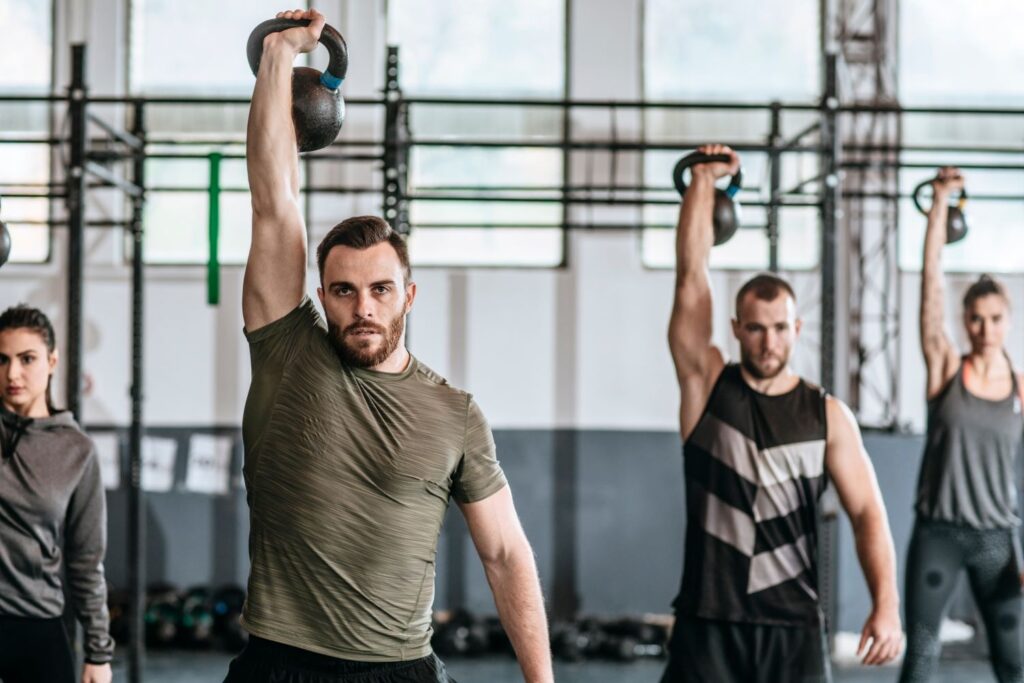
Many experienced coaches rely on a simple sequence to guide participants through exercises. This structure helps people stay synchronized during fast transitions between movements.
The three step cueing system includes:
Anticipation cue
This cue prepares the class for the next movement. It gives participants time to adjust their stance or position.
Example:
“Next exercise is bodyweight squats.”
Execution cue
These cues guide participants while the movement is happening.
Example:
“Sit back into your hips.”
“Keep your chest tall.”
Correction cue
These cues help improve form when the instructor notices common mistakes.
Example:
“Slow the lowering phase.”
“Keep your heels on the floor.”
Using this sequence creates clarity. Participants know what is coming, how to perform it, and how to adjust if needed.
Break Down Complex Movements Step by Step
Source: smarthealthclubs.com
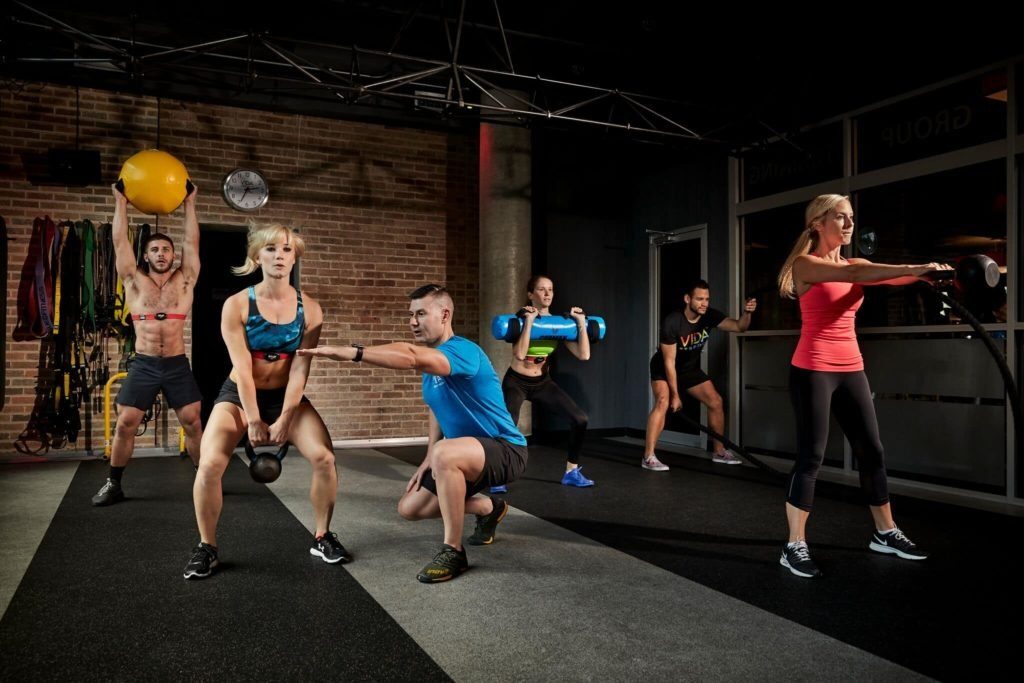
Complex exercise combinations are exciting but they can easily overwhelm participants if introduced too quickly.
A better approach is to teach movements progressively.
Instead of demonstrating a full combination immediately, instructors can build the movement in stages:
- Teach the base movement first
• Allow participants to practice the pattern
• Add the next element once the group is comfortable
• Increase speed or intensity only after technique improves
This method improves coordination and reduces frustration among participants who may struggle with complex sequences.
In group training environments, clarity almost always beats complexity. A simple movement done well produces better results than a complicated movement done poorly.
Offer Regressions and Progressions for Different Fitness Levels
Participants in group workouts rarely share the same level of strength or conditioning. One of the most important coaching responsibilities is making sure everyone can participate safely.
This is where regressions and progressions become essential.
A simple example can be seen with push up variations:
| Level | Exercise Version |
| Beginner | Incline push ups on bench |
| Standard | Floor push ups |
| Advanced | Decline or tempo push ups |
Providing these options helps participants choose the version that matches their ability level. Beginners stay safe while advanced participants remain challenged.
When instructors announce these options clearly, the class feels more inclusive and participants stay engaged throughout the workout.
Use Visual Demonstrations and Body Language
Source: anytimefitness.com
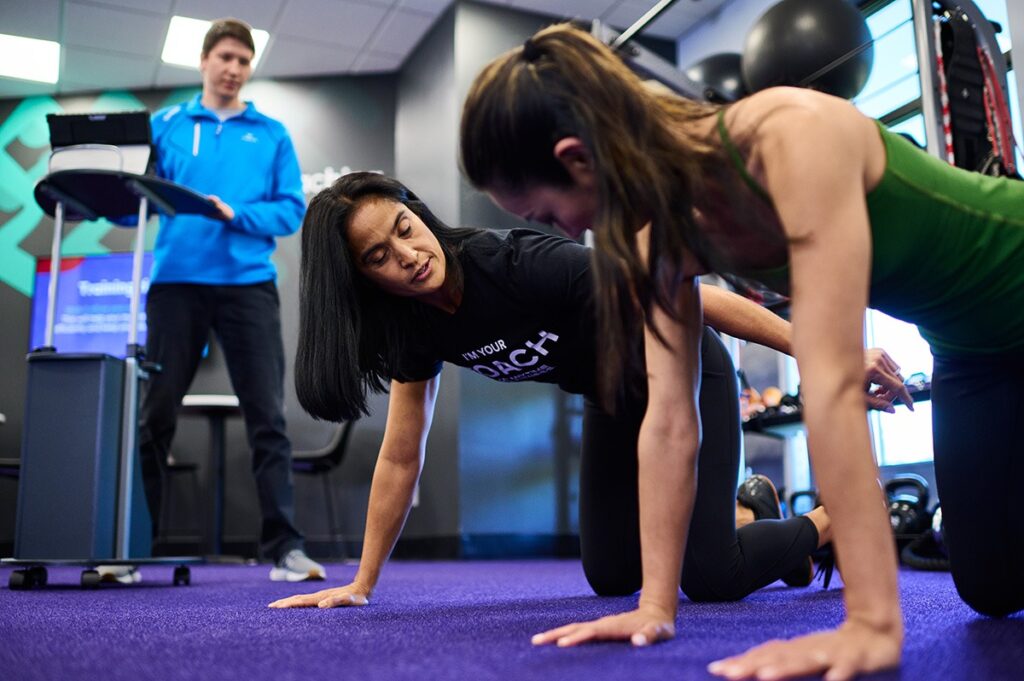
Verbal cues alone are often not enough. Many people learn movements faster when they can see them performed correctly.
Visual demonstrations help reinforce instructions and reduce confusion during complex exercises.
Effective instructors often combine several communication methods:
- Verbal instructions to explain the movement
- Demonstration to show the technique
- Body language to highlight the active muscle groups
When instructors point to the body part involved in the movement or demonstrate the correct range of motion, participants understand the exercise much faster.
Scan the Room and Adjust Coaching in Real Time
Even with clear planning and good cues, instructors must remain attentive during the workout. Observing the group helps maintain control of the session and allows quick adjustments when needed.
When scanning the room, instructors should watch for several signals:
- Participants falling behind the rhythm of the class
- Incorrect movement patterns
- Confused body language or hesitation
- Fatigue affecting technique
Spotting these signals early allows the instructor to repeat cues, slow down transitions, or simplify the movement temporarily.
Group workouts work best when coaching remains dynamic. Instructors who constantly observe the group can maintain flow while still supporting individuals who need extra guidance.
Reinforce the Session With a Clear Cool Down
The final stage of a workout should not feel rushed or unplanned. A structured cool down reinforces the purpose of the session and helps participants recover properly.
This phase can include light mobility work, breathing exercises, and a brief recap of the training focus.
Instructors often use this moment to remind participants of the key movements performed during the workout and how they contribute to overall fitness goals.
Cooling down also gives participants a chance to reset physically and mentally before leaving the class. That sense of closure helps people leave the session feeling accomplished and prepared for their next workout.
Group workouts become significantly easier to follow when programming, cueing, and progressions work together. Clear instructions, structured exercise progressions, and attentive coaching help participants stay focused on movement rather than confusion. When sessions are organized this way, both beginners and experienced participants can train confidently and safely in the same class environment.