

A dust suppression system is designed to minimise the release and spread of airborne particles created by industrial, construction, mining, agricultural, and waste-management activities.
Dust may appear to be a minor nuisance, but fine particulate matter can influence health, safety, equipment performance, and environmental quality.
Because dust is generated whenever materials are moved, disturbed, transported, or processed, controlling it is an essential part of responsible site management.
Sources of airborne dust vary widely.
Vehicle movement on unpaved roads, stockpiles exposed to wind, demolition work, conveyor transfer points, and material crushing all contribute to the release of fine particles.
Weather conditions, especially dry and windy periods, can intensify emissions.
Understanding where dust originates and how it behaves is the basis for designing an effective approach to control.
Table of Contents
The Importance of Dust Control
Health and Safety Factors

Source: rainstorm.com.au
Exposure to fine dust can affect human health. Respirable particles are capable of travelling deep into the lungs, where they may contribute to respiratory irritation or, in some cases, longer-term health concerns.
Occupational environments with continuous dust exposure need reliable methods to maintain air quality for workers and nearby communities.
Dust can also obstruct visibility on busy worksites, increasing the risk of collisions involving vehicles and machinery.
Certain types of dust, particularly combustible materials, may pose additional hazards under specific conditions.
Environmental and Operational Considerations
Dust settling on vegetation, soil, or water sources can alter local ecological conditions.
From an operational perspective, the accumulation of dust on machinery and equipment may require more frequent maintenance and can affect performance.
For sites located close to residential areas, persistent dust issues may lead to complaints or heightened regulatory attention.
Types of Dust Suppression Systems
Water-Based Systems
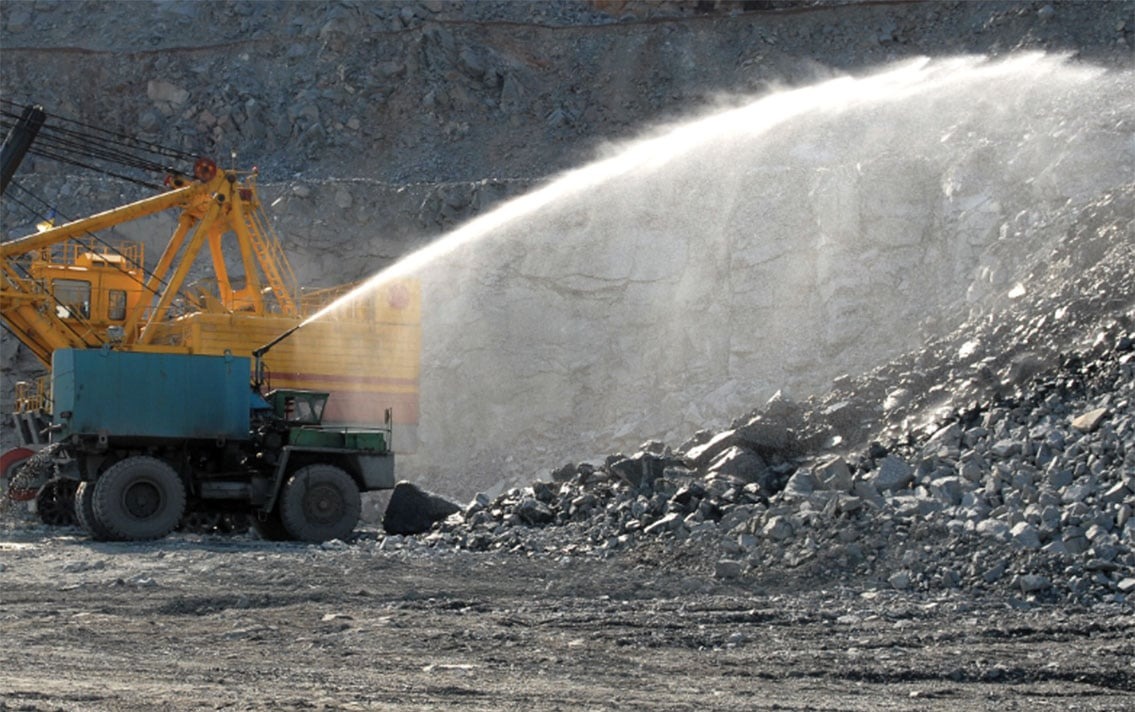
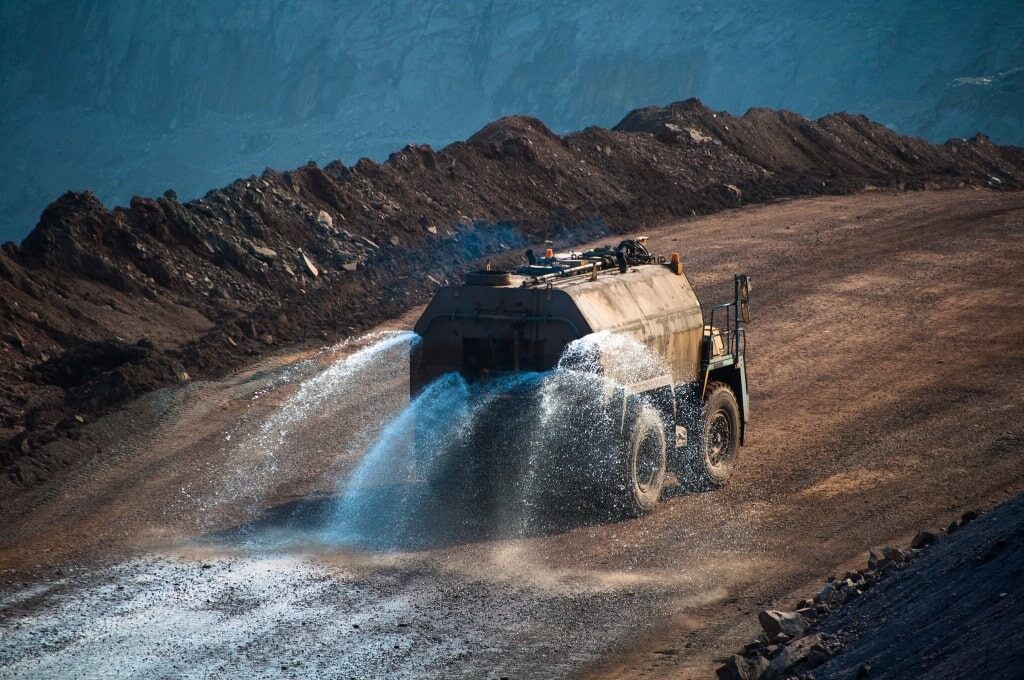
Water is one of the most widely used methods for dust control.
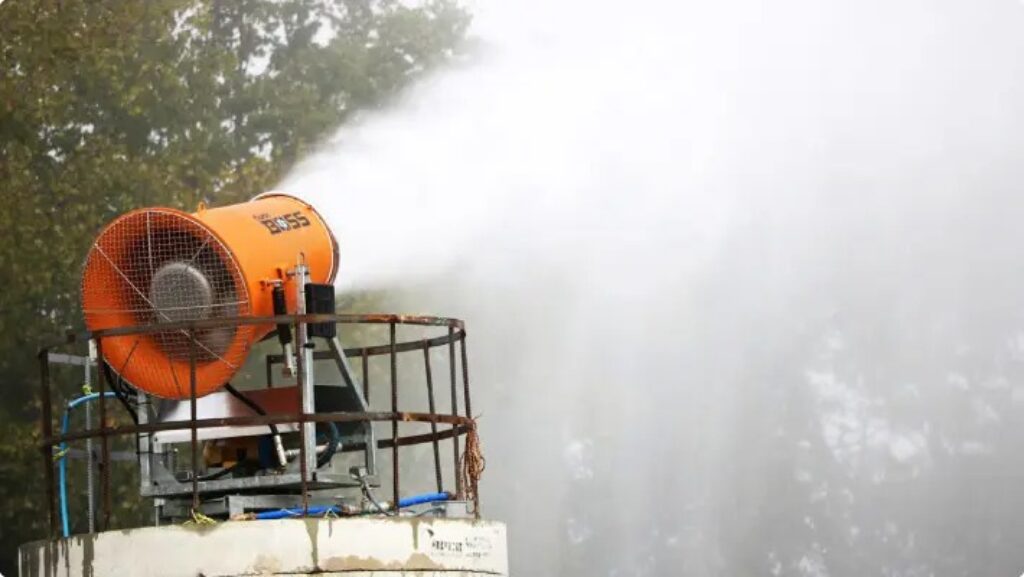
Water-based systems range from simple hoses and sprinklers to misting cannons and automated spray networks.
When applied correctly, water helps bind particles, preventing them from entering the air.
However, achieving effective results depends on appropriate droplet size, coverage, and timing, as inadequate or excessive use can limit efficiency.
Additive-Enhanced Systems
Source: ninjadeicer.com
In some environments, additives such as surfactants, stabilisers, or binding agents are mixed with water to increase its effectiveness.
These substances can improve moisture penetration, reduce surface evaporation, or create a thin crust that limits dust release.
Additive-enhanced systems are often used in dry climates or where water consumption needs to be minimised.
Mechanical and Structural Measures
Physical barriers and enclosures support dust suppression by limiting air movement and preventing dust from spreading.
Enclosing conveyor belts, covering stockpiles, or installing windbreaks can significantly reduce the distance dust travels.
Adjusting site layout, such as placing dust-producing activities away from prevailing winds, also contributes to system efficiency.
Operational Controls
Operational practices form a crucial part of dust management.
Reducing vehicle speeds, scheduling activities during favourable weather conditions, and maintaining clean working surfaces all help minimise emissions.
Training workers to recognise and address dusty conditions ensures that suppression systems are used effectively.
Integrating Technology into Dust Suppression
Source: bosstek.com
Modern dust suppression systems increasingly incorporate sensors and automated controls.
Real-time monitoring equipment can measure particulate levels and activate suppression measures when thresholds are reached.
Automation ensures consistent application and responds quickly to changing conditions, reducing manual intervention and supporting compliance with air-quality standards.
Advanced solutions, such as those described at dust suppression system, offer integrated approaches that combine efficient water use, strategic system placement, and adaptable control methods.
These developments have expanded the range of tools available for managing dust in complex environments.
Developing a Site-Specific Strategy
No single approach works for every site. Designing an effective dust suppression strategy requires an understanding of local conditions, including climate, material types, site layout, and operational demands.
A thorough assessment helps identify the most significant dust sources and guides the selection of appropriate technologies and practices.
After implementation, regular monitoring is essential.
Seasonal shifts, equipment changes, and variations in activity levels may affect system performance.
Periodic review allows adjustments to be made, ensuring that the system remains aligned with site needs and regulatory expectations. Combining several suppression methods often delivers more reliable control than relying on a single solution.
Conclusion
A dust suppression system plays an important role in maintaining safe, efficient, and environmentally responsible operations across many industries.
By combining water-based approaches, mechanical barriers, chemical enhancements, and informed operational practices, sites can significantly reduce the spread of airborne particles.
Continued evaluation and the integration of monitoring technologies support long-term effectiveness, ensuring that dust remains manageable even in challenging working conditions.