
Italy feels different once you slow down and step away from crowded landmarks. Big sights matter, but real connection often comes from smaller, everyday moments. Sitting in a quiet piazza, talking to a local shop owner, or learning how food is made can change how a place feels. That shift is what turns a good trip into something memorable.
Many travelers rush through cities and miss the rhythm that makes Italy special. Local experiences help you notice details you would otherwise ignore. You start to understand how people live, eat, and spend time. That is where the real value of travel sits.
Table of Contents
Small Town Moments That Stay With You
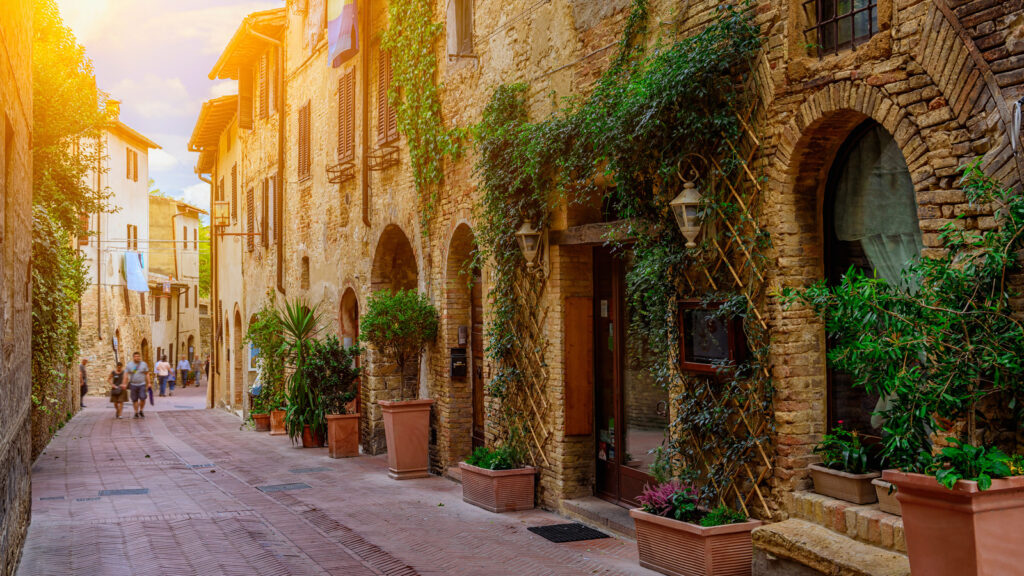
Busy cities like Rome and Florence are impressive, but smaller places often leave a stronger mark. Streets feel calmer, and interactions feel more personal. You are not just observing life, you are part of it for a short time.
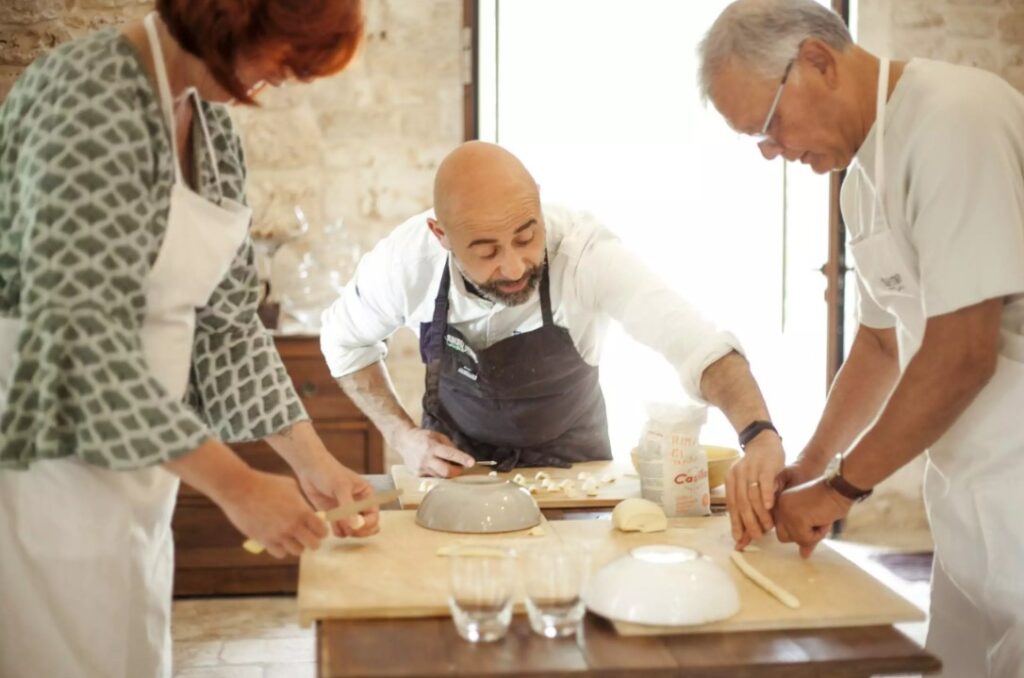
One simple way to connect is through food. Joining a cooking class in Verona gives you a hands on introduction to local traditions. You learn how ingredients are chosen and why certain recipes matter. It feels less like a lesson and more like spending time in someone’s kitchen.
Moments like these tend to stand out:
- A morning market where vendors greet regular customers by name
- A quiet café where time slows down and conversations stretch
- A family run restaurant where the menu changes daily
Each of these adds context to what you see during the day.
Source: explore.com
Food Experiences That Go Beyond Restaurants
Food in Italy is not just about eating well. It is about understanding place, history, and habits. Sitting down for a meal can be enjoyable, but being involved in the process adds another layer.
There are a few ways travelers can experience this more deeply:
- Visiting local farms where products are made and tasted on site
- Taking part in seasonal harvest activities like olive picking
- Joining small group cooking sessions led by locals
These experiences create a clearer picture of how food connects to daily life. You start to see patterns in ingredients and techniques that repeat across regions.
Local cuisine often reflects climate and geography more than preference. Northern dishes rely more on butter and rice, while southern regions use olive oil and tomatoes more often.
That simple detail explains a lot once you start paying attention.
Cultural Encounters That Feel Natural
Cultural experiences do not need to be formal or structured. Some of the best ones happen without planning. Walking through neighborhoods, attending small events, or visiting workshops can reveal how traditions continue today.
Source: masseriafanizzi.com
You might notice how people gather in the evening, how stores close in the afternoon, or how festivals shape the calendar. These patterns show how life is organized beyond tourist schedules.
Here is a quick comparison that helps frame expectations:
|
Experience Type |
What You See |
What You Feel |
| Tourist sites | Famous landmarks | Impression and scale |
| Local settings | Daily routines | Connection and familiarity |
Both matter, but the second tends to stay with you longer.
Hands On Learning in Larger Cities
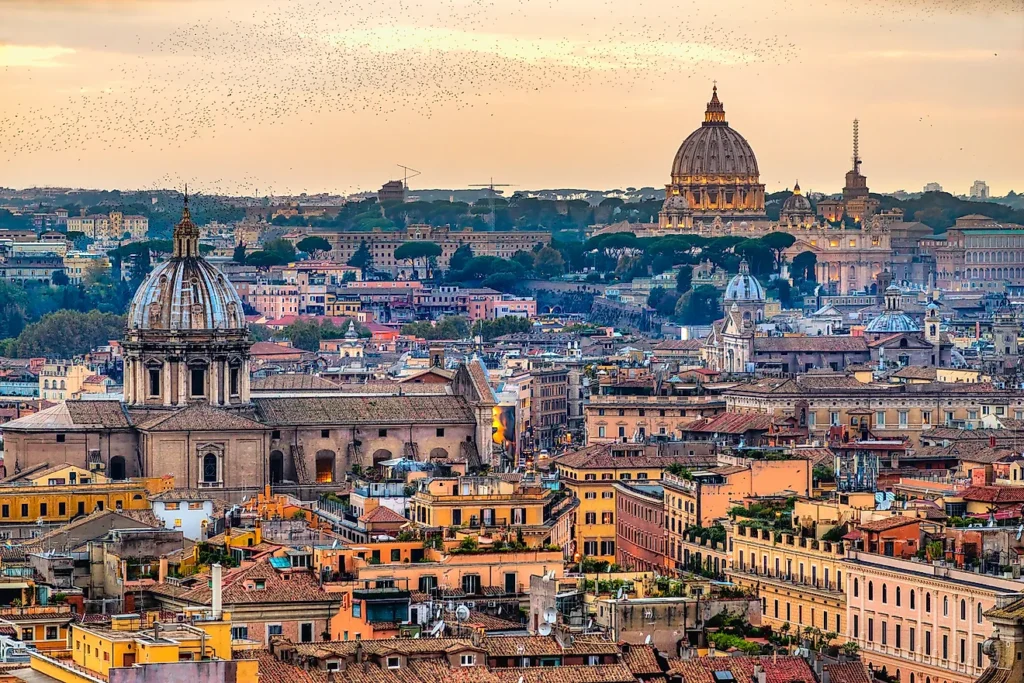
Large cities still offer chances for meaningful experiences if you look beyond the obvious. Rome, for example, has layers that go far beyond its major attractions.
Taking part in a cooking class in Rome can change how you see the city. You step away from crowded streets and spend time focusing on something practical. The process creates a calm space inside a busy environment.
Beyond food, you can also:
- Join guided walks led by locals who focus on specific neighborhoods
- Visit artisan workshops where traditional crafts are still practiced
- Attend small music or cultural events that attract residents
Each option brings you closer to how the city actually functions.
Source: worldatlas.com
Making Your Trip Feel Real
Adding depth to a trip in Italy does not require complicated planning. It comes from choosing a few experiences that bring you closer to everyday life. Even one or two local activities can shift your perspective.
Pay attention to how people move through their day. Notice what slows them down and what brings them together. That awareness turns simple moments into something meaningful.
A trip built around real experiences tends to feel more complete. You return home with stories that go beyond photos, and those stories stay clear long after the trip ends.