
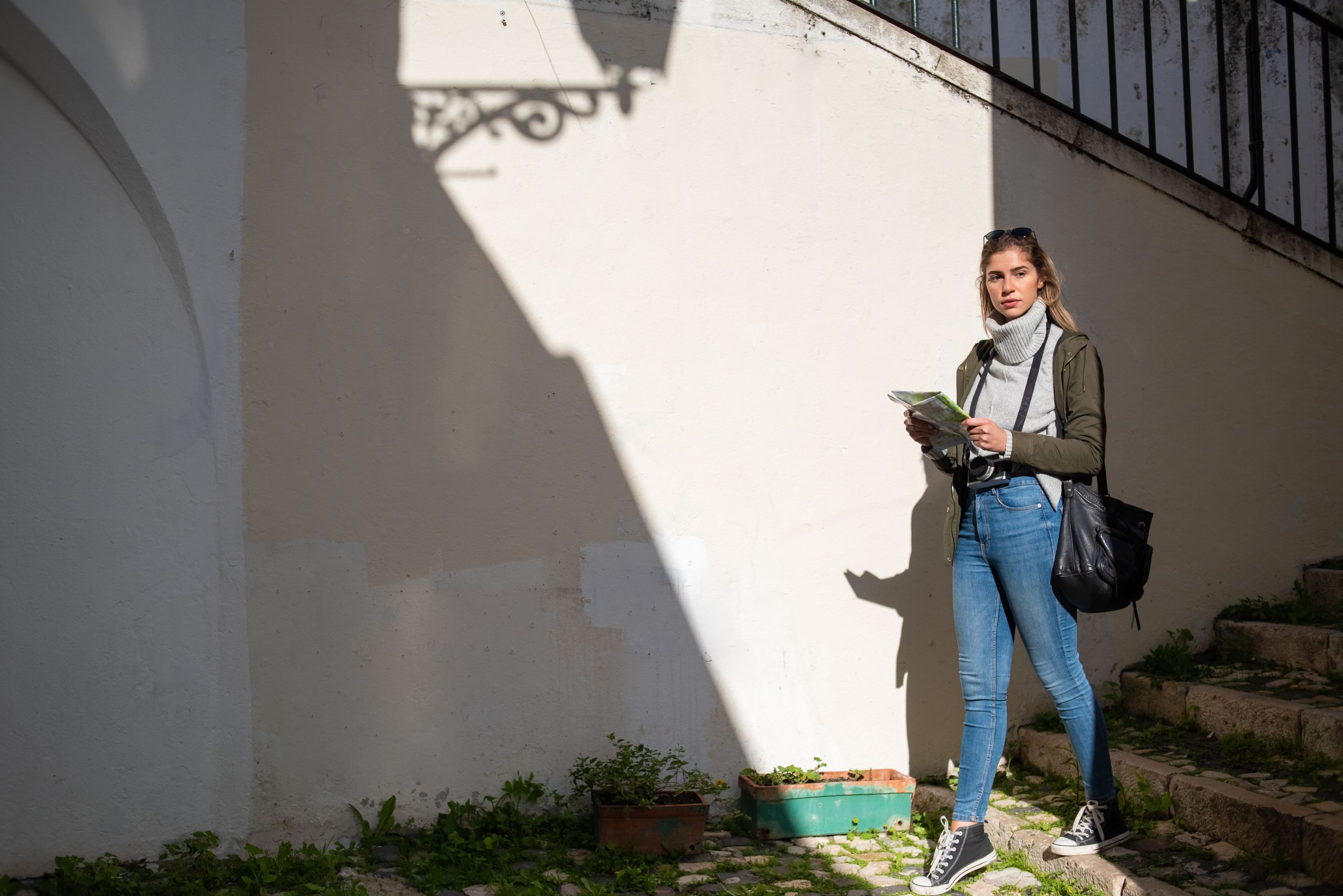
Traveling alone can feel intimidating before you leave and wonderfully freeing once you are on the road. You choose the pace, the itinerary, the restaurants, and the people you spend time with. You also make every important decision yourself, from where to stay to how to get home after an evening out. These nine tips cover practical planning, personal safety, social connections, and the freedom to enjoy your own company.
Table of Contents
Tip 1: Choose a Destination That Suits Solo Travelers
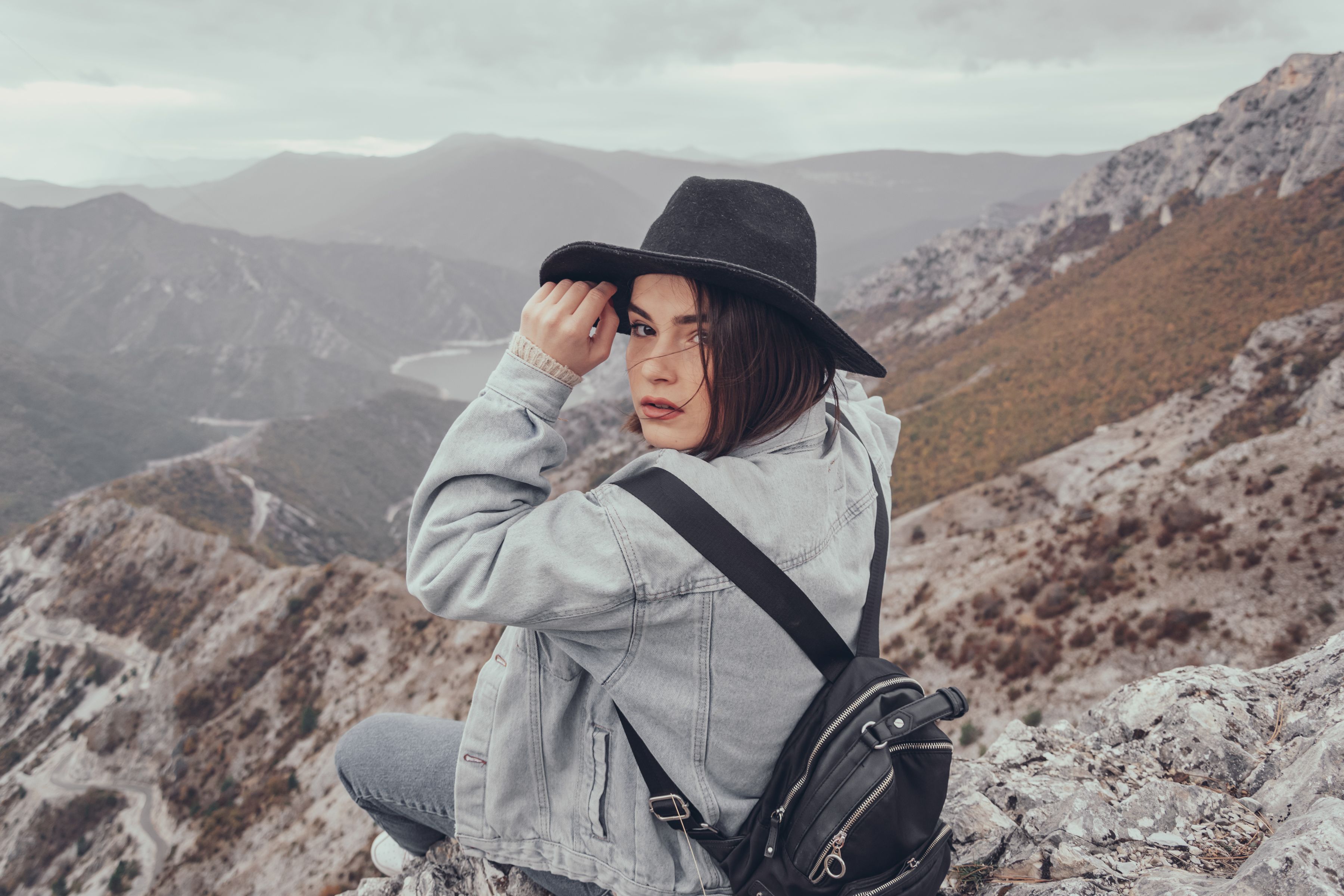
Your first solo trip does not need to be a remote expedition. Destinations with reliable public transport, accessible accommodation, and plenty of opportunities to meet other travelers are usually easier to navigate. Hostelworld’s State of Solo Travel 2025 report, based on a survey of 3,334 solo travelers, identified Thailand, Spain, and Italy among the most booked solo destinations. Southeast Asia and Latin America were also growing in popularity.
When comparing destinations, consider:
- How easy it is to reach your accommodation from the airport
- Whether cafes, hostels, walking tours, or public events make meeting people straightforward
- How much you can communicate using English or a translation app
- The weather and season, especially where intense heat or monsoon rains affect travel
- How comfortable you feel exploring the city and returning to your accommodation after dark
Think beyond famous backpacking hubs, too. Cities such as Johor Bahru in southern Malaysia have shopping areas, food markets, and everyday social spaces that can suit an independent city break. Wherever you go, check the cultural expectations and local rules before making plans for nightlife or meeting new people.
A quiet sea view is one of the pleasures of traveling at your own pace.
Tip 2: Book Your First Night and Plan Your Arrival
Arriving in a new country can be the most disorienting part of a solo trip. You may be tired, short on local currency, or unfamiliar with the transport system. Reserving your first night in advance removes one major source of stress.
- Book accommodation for at least your first night before departure.
- Arrange a licensed airport transfer or identify the official taxi or ride-share pickup point.
- Aim to arrive during daylight hours when practical.
- Save your accommodation address in offline maps and in a note you can show a driver.
- Check the reception hours so you know how to enter if your flight is delayed.
Once you have a secure place to begin, it becomes much easier to explore the destination with confidence. You can leave your luggage, get oriented, and start meeting people without worrying about where you will sleep.
Tip 3: Build a Simple Safety Routine
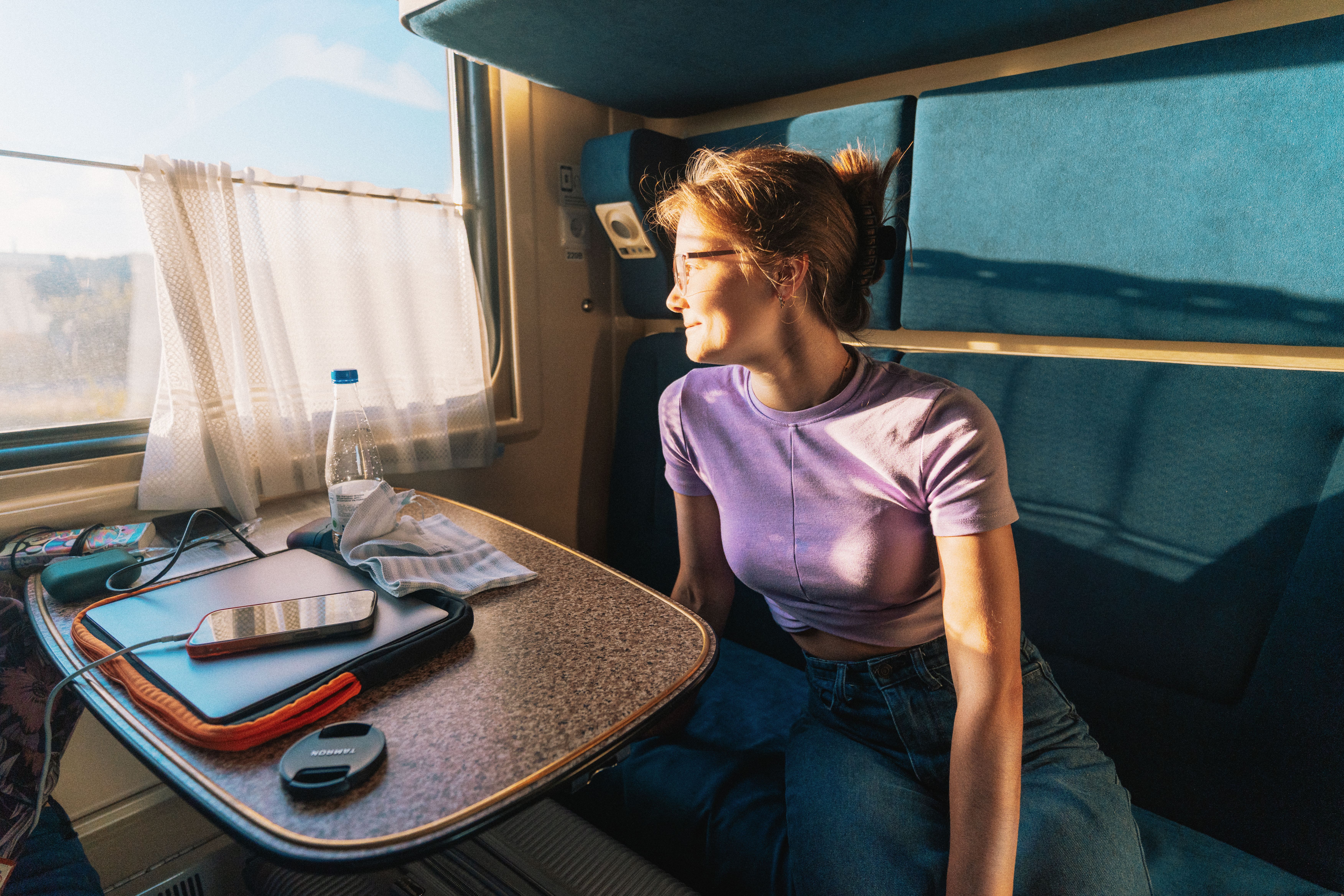
Good safety habits are less about fear than routine. The UK government’s guidance on solo and independent travel advises travelers to use reputable transport, take care in poorly lit areas at night, and avoid carrying unnecessary valuables. Keep a spare card and some cash separate from your everyday wallet.
Social plans deserve the same attention as transport and accommodation. Some travelers arrange company through group activities or dating apps, while others encounter commercial adult-companionship sites when researching a destination. In Johor Bahru, for example, searches for johor escort may lead to commercial listings. Such listings should not be mistaken for verified tourism activities or proof that advertised arrangements are lawful or safe. Learn the local rules, protect your personal information, and respect everyone’s boundaries and consent.
A practical daily routine can include:
- Saving the local emergency number before going out
- Keeping digital copies of your passport, visa, and travel insurance
- Locking your accommodation door and using available security features
- Meeting new acquaintances in public places and arranging your own transport
- Leaving when a situation feels uncomfortable, even if you have already made plans
Know the location of a nearby hospital or police station, too, so you are not starting from zero if you need help.
Busy transit hubs are easier to manage when documents and transport details are organized.
Tip 4: Share Your Itinerary With Someone at Home
Leaving a copy of your plans with a friend or family member is one of the simplest precautions you can take. Agree on how often you will check in and explain when you might be unreachable, such as during a long hike or an overnight bus journey.
Include accommodation addresses, flight details, and emergency contacts in the itinerary you share. Some travelers also enable temporary live-location sharing with one trusted person. This is not about being monitored all day. It simply helps someone understand where to start if your plans change unexpectedly and you cannot be reached.
Tip 5: Keep a Travel Journal

A journal can make a solo trip more memorable. Without a travel companion to reminisce with at the end of each day, writing things down gives you a way to reflect on what you experienced. A notebook or a simple phone note is enough.
Try recording:
- One highlight and one challenge from each day
- Names of places, dishes, and interesting people you met
- Small details such as sounds, smells, and conversations
- Lessons or ideas you want to remember after returning home
You do not need to write pages. A few honest sentences often bring back more of a journey than dozens of nearly identical photos.
A quiet café break is an easy moment to record the day’s discoveries.
Tip 6: Pack Light and Keep Essentials Within Reach
When you travel alone, you carry and manage everything yourself. Heavy luggage makes it harder to catch trains, navigate stairs, or keep your belongings close in crowded stations.
- Choose a carry-on bag or backpack you can lift and move without help.
- Keep your passport, phone, cards, and medication in a secure, accessible place.
- Bring a portable charger, a small first-aid kit, and essential phone numbers on paper.
- Pack clothes that work in several settings, including cultural sites and casual evenings.
- Leave unnecessary valuables at home.
Packing light also makes spontaneous changes easier. You can switch trains, change accommodation, or explore a neighborhood without spending half the day moving luggage.
Tip 7: Stay in Social Accommodation

Hostels and guesthouses with common areas are often convenient places to meet fellow travelers. A shared kitchen, organized walking tour, or group dinner gives people a natural reason to talk. The Hostelworld report found that meeting new people was among the most valued aspects of solo travel for 58% of respondents.
Shared accommodation also requires care. Australia’s Smartraveller safety advice for solo travelers highlights potential risks, especially in shared settings. Read recent reviews and prioritize places with secure storage and clear check-in procedures.
- Look for lockers, reliable access controls, and staffed reception.
- Check reviews for specific comments about safety and cleanliness.
- Consider women-only dormitories if that makes you feel more comfortable.
- Be friendly without feeling obliged to reveal your room number or entire itinerary.
Shared spaces can make introductions easier when you arrive somewhere new.
Tip 8: Leave Room for Spontaneity
One of the greatest advantages of traveling alone is the freedom to change your plans. If you discover a town you love, you can stay another night. If you feel tired, you can take a rest day without disappointing anyone else.
To enjoy that flexibility:
- Plan a few anchor activities and leave space between them.
- Reserve the most time-sensitive tickets while keeping other days open.
- Accept local invitations only when the setting and people feel comfortable.
- Give yourself permission to change your mind without offering an elaborate explanation.
Spontaneity works best when it is supported by a basic safety plan. Knowing how to return to your accommodation gives you more freedom to enjoy an unexpected evening.
Tip 9: Balance Solo Time With Connection

Solo travel is about independence, not isolation. Even people who love their own company may feel lonely after a few days without a meaningful conversation. The balance is to enjoy time alone while creating opportunities for genuine connection.
You might join a free walking tour, attend a language exchange, take a cooking class, volunteer, or use a social travel app to find people with similar interests. The U.S. Department of State’s advice for women travelers emphasizes awareness and planning, which can be useful for anyone meeting new people abroad.
Whether a new connection is friendly or romantic, communicate your expectations honestly. A pleasant conversation does not create an obligation to spend the rest of the evening together, and personal boundaries still matter when you are far from home.
Quick Safety Checklist
Use this checklist as a quick reference before and during your trip.
Final Thoughts
Traveling alone rewards preparation, curiosity, and a willingness to follow your own interests. Choose a destination that suits you, build a few simple safety habits, and make space for both quiet moments and new connections. You do not need to fill every day or meet everyone you encounter. The best solo trips leave you with memorable experiences, growing confidence, and the freedom to decide what a good day looks like for you.