

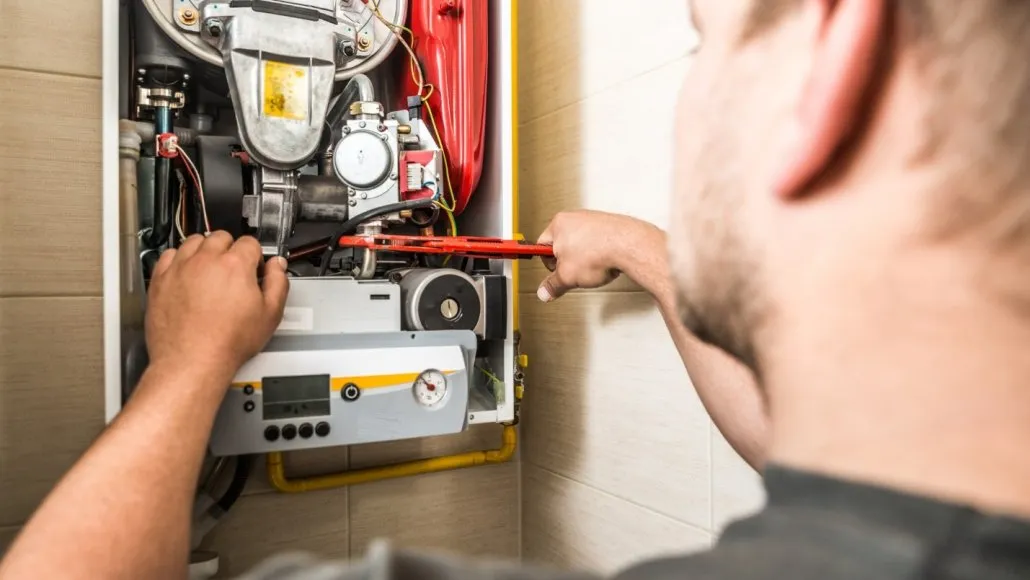
Furnace problems rarely start as emergencies. They usually begin with small changes in comfort, performance, or reliability that are easy to overlook.
Knowing when those changes signal a need for heating repair can help you avoid sudden breakdowns, higher energy bills, and rushed decisions during the coldest months.
Table of Contents
How to Tell If Your Furnace Is Going Bad
A failing furnace usually doesn’t quit overnight, it gets unreliable first. The biggest giveaway is inconsistency, which is one of the most overlooked signs furnace needs replaced. If your home takes longer to heat, certain rooms stay cold, or the furnace cycles on and off more than it used to, something is wearing out. These are common furnace problems homeowners experience before a full failure. You may also notice your heating bills creeping up even though your habits haven’t changed, hear new sounds like buzzing, rattling, booming, or whining, or find yourself adjusting the thermostat more often just to stay comfortable. All of these point to developing furnace issues rather than a one-time glitch.
A furnace that’s failing stops behaving predictably. It still turns on, but not the same way, not every time, and not under the same conditions. Maybe it heats well on mild days but struggles when it’s very cold, works better at certain times of day, or restarting it “fixes” the problem temporarily. These inconsistent behaviors are classic furnace problems that often appear before a furnace breakdown. If heat depends on luck, timing, or resets, the system isn’t stable anymore.
A good rule of thumb: if you’re thinking about your furnace more than you used to, it’s probably trying to tell you something. That loss of reliability is often a clearer signal than noise, smells, or age alone and is one of the early signs furnace needs replaced.
Common Furnace Problems to Watch For
Source: onehourairftworth.com
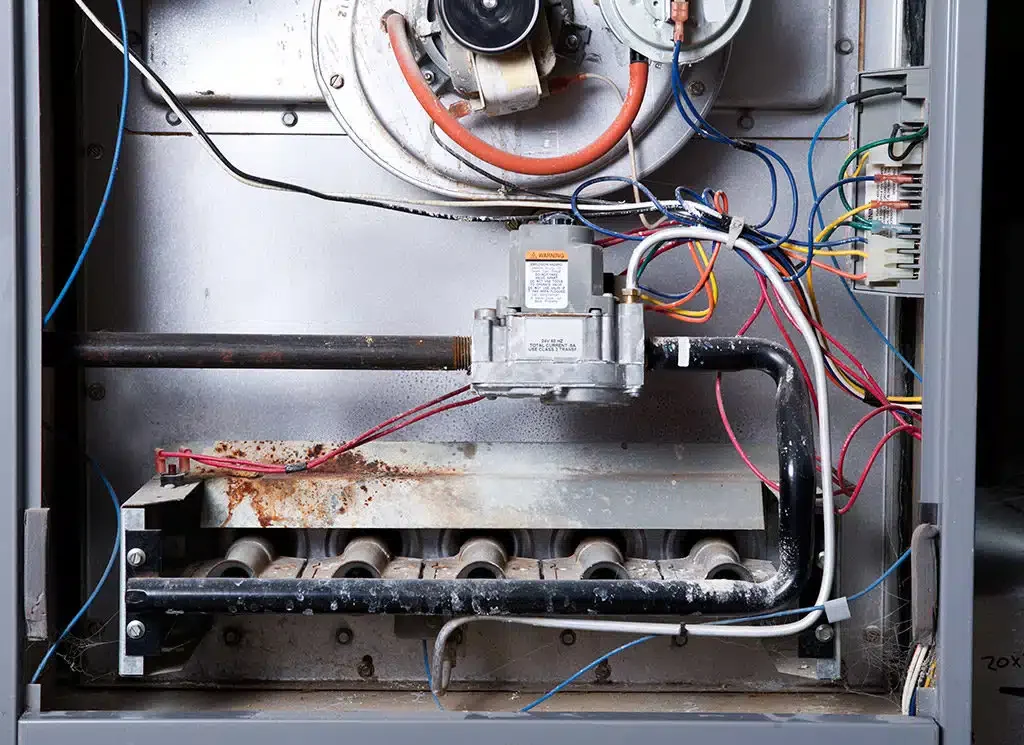
Most homeowners notice comfort problems before mechanical ones. The most common furnace problems include uneven heating across the house, weak airflow from vents, the furnace turning on and off repeatedly, and strange smells when the system runs. These furnace issues often start small, which is why they’re easy to ignore, but they’re also early warning signs that parts are under stress and moving closer to a furnace breakdown.
The first thing most homeowners notice isn’t the furnace, it’s their behavior changing. You might leave doors open to push heat around, run space heaters in specific rooms, avoid turning the thermostat down at night, or constantly check vents or the thermostat. These workarounds usually appear before a true breakdown and are some of the clearest signs furnace needs replaced, even if the system still turns on.
Which Furnace Issues Are Minor and Which Are Serious
Minor furnace issues are often inexpensive fixes, like dirty or clogged air filters, thermostat calibration problems, or loose panels and minor airflow restrictions. Serious furnace problems don’t wait, cracked heat exchangers, ignition or burner problems, electrical control failures, and repeated short cycling fall into this category. If a problem affects combustion, safety controls, or causes the furnace to shut itself down, it’s no longer “minor,” even if the heat still turns on sometimes.
A simple way to tell the difference is this: minor issues affect convenience, while serious issues affect control and safety. If the furnace still completes a full heat cycle, responds normally to thermostat changes, and runs without shutting itself off, you’re likely dealing with minor furnace problems. If it stops mid-cycle, locks itself out, needs frequent resets, or ignores thermostat commands, the furnace is protecting itself, which means something important is failing and a furnace breakdown may be approaching.
When Furnace Problems Signal a Furnace Breakdown
A furnace breakdown is usually preceded by warning behavior, not silence. The furnace may run but blow cold air, shut off mid-cycle, have a pilot light or ignition that keeps failing, show error codes, or produce burning or metallic smells. These escalating furnace issues indicate the system can no longer operate consistently. Once a furnace can’t complete a full heating cycle reliably, you’re no longer dealing with a nuisance, you’re close to a no-heat situation.
A furnace breakdown isn’t just “no heat.” It’s when the furnace can’t finish what it starts. It may start normally, then shut off early, blow heat briefly and then cold air, work one day and fail the next, or produce heat only after multiple attempts. These aren’t random glitches. They’re signs internal components can’t operate consistently under load and are often the final stage of long-standing furnace problems.
When Furnace Issues Point to Heating System Failure
Heating system failure happens when small problems stack up. Dirty filters cause overheating, overheating damages internal components, safety switches shut the system down repeatedly, and worn parts finally fail under stress. Many furnace issues escalate into heating system failure after the system has been compensating for itself for too long, running hotter, longer, and harder to overcome wear.
If you’ve had multiple repairs in a short time, or the same problem keeps coming back, the system is losing its ability to operate safely and efficiently. Safety switches trip more often, electrical parts degrade, and mechanical stress causes permanent damage. At this stage, even small repairs don’t restore reliability, they just delay full heating system failure.
When to Replace a Furnace Instead of Repairing It
Source: vicentetorns.com
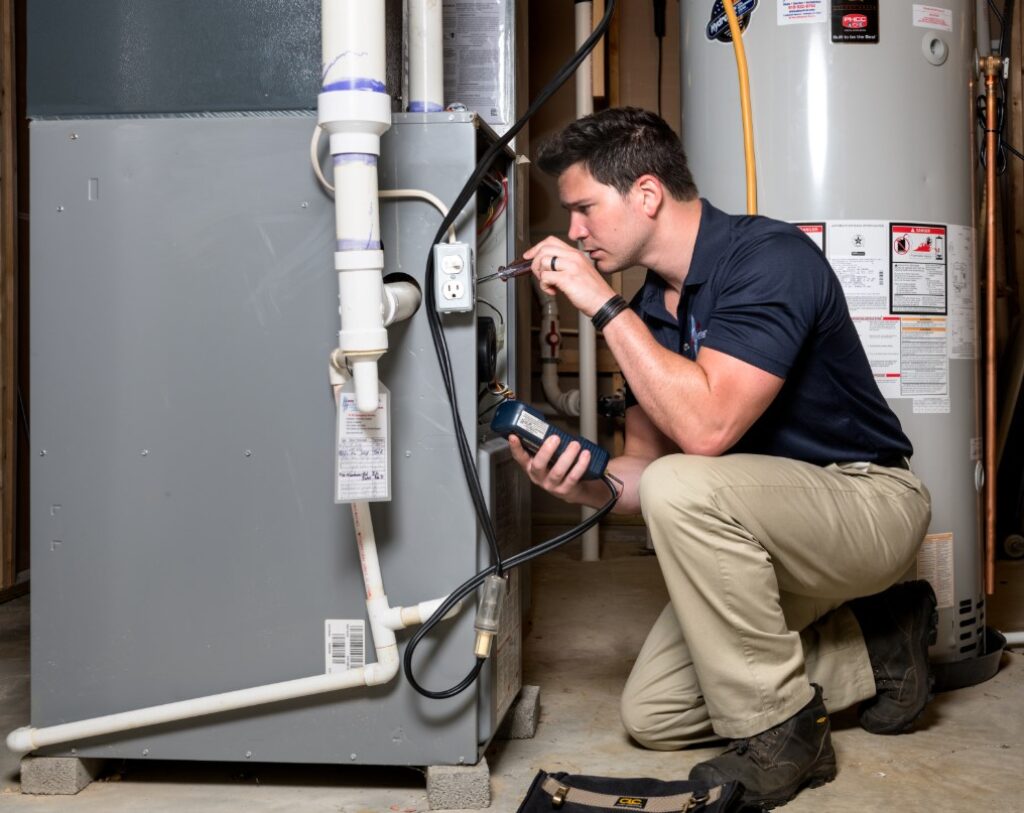
Replacement makes more sense when the furnace is 15-20 years old, repair costs are approaching half the cost of a new system, you’ve already fixed it more than once in the past year, and efficiency is poor with energy bills that keep climbing. These are some of the most practical signs furnace needs replaced, especially when repeated furnace problems no longer improve performance.
A newer furnace doesn’t just restore heat, it improves comfort, lowers operating costs, and reduces the risk of emergency furnace breakdown during the coldest days. If you’re asking whether it will make it through the winter, what happens if it stops while you’re away, or whether you should keep a backup heater ready, you’re no longer deciding between repair and replace. You’re managing risk, and replacement is usually the safer, cheaper long-term move.
Why Furnace Problems Often End in a Furnace Breakdown
Ignoring early furnace problems usually leads to higher monthly energy bills, more frequent and expensive repairs, sudden furnace breakdown during peak winter, and increased safety risks, including carbon monoxide concerns. The biggest cost isn’t the replacement, it’s the timing. Ignoring the signs doesn’t just increase breakdown risk, it accelerates heating system failure and removes your ability to choose timing.
That often means emergency replacement during extreme cold, limited equipment availability, rushed decisions, and higher labor costs. Most homeowners don’t regret replacing a furnace. They regret waiting until furnace issues turned into a full furnace breakdown.
What to Do After Furnace Issues Appear
Start with a professional inspection to understand what’s actually wrong, not just what symptom you’re seeing. A qualified technician can tell you whether the furnace problems are repairable, how much life the system realistically has left, and whether replacement would save you money long-term. A professional evaluation should also clarify whether the system is stable or unpredictable, whether it can handle peak winter demand, and whether repairs are restoring performance or simply delaying heating system failure.
If replacement is recommended, ask about efficiency ratings, sizing, and comfort improvements, not just price. A failing furnace is frustrating, but it’s also an opportunity to upgrade your home’s comfort and reliability for the next decade or more. From there, you can make a planned decision instead of reacting to an emergency furnace breakdown.