
For decades, cleaning technology evolved slowly. Vacuum cleaners became lighter. Washing machines became quieter. Cleaning was still manual, repetitive, and time-consuming. That logic is changing fast.
Cleaning is becoming something that happens by itself, in the background, guided by sensors, software, and smart systems rather than effort. This shift toward background maintenance is already common in professional services like Raccoon Cleaners in Naperville, where consistency matters more than visible effort.
Table of Contents
From manual effort to autonomous routines
The most visible shift is the rise of autonomous cleaning devices.
Robot vacuum cleaners are no longer novelties. Modern models map homes, remember layouts, detect obstacles, and adjust cleaning intensity based on floor type and dirt levels. Used regularly – say, every second or third day – they change how floors behave. Dust never really settles in. Crumbs don’t pile up. Floor cleaning fades from a weekly task into background noise.
Robot mops follow the same logic. They don’t replace deep cleaning, but they remove the need for constant manual maintenance.
Smart appliances that quietly change cleaning frequency
Innovation in cleaning is also happening inside appliances. Instead of following rigid programs, modern dishwashers and washing machines make small decisions on their own. A load runs a bit longer or shorter than expected. Water use adjusts slightly. Nothing announces itself, and that’s exactly why it works.
The same logic applies to refrigeration. Improved airflow and surface treatments help interiors stay fresh longer, which means fewer wipe-downs and fewer moments where cleaning feels urgent rather than optional. These changes feel like chores quietly disappearing – the same effect maintenance-focused cleaning models, including those used by house cleaning services in Illinois, are built around.
Sensors, data, and condition-based cleaning
One of the most important trends in cleaning technology is the use of data.
Air purifiers respond to particle levels instead of running on timers. Vacuums increase power only when dirt concentration rises. Systems notify users when filters actually need attention, not when a preset interval expires. Cleaning stops being based on habit or anxiety and becomes condition-based.
Low-impact cleaning technologies replacing force
Another strong shift in cleaning technology is a move away from brute force.
Steam cleaning works differently. It doesn’t rush the process or try to overpower dirt. Heat is applied, time passes, and grime loosens on its own. Ultrasonic cleaning follows the same logic in a quieter way, which is why it’s often used for things you don’t want to scrub at all.
UV disinfection is following the same pattern. It started in controlled environments like hospitals and labs, where consistency mattered more than convenience. Now it’s showing up in everyday spaces – not as something people actively use, but as something that simply stays on. You don’t interact with it. You just benefit from the fact that certain problems don’t build up the way they used to.
Alongside this, enzyme-based cleaning products are gaining traction. They don’t promise instant results. Instead, they work slowly, breaking down organic dirt over time.
Air, moisture, and the invisible side of cleaning
Cleaning doesn’t stop at surfaces anymore.
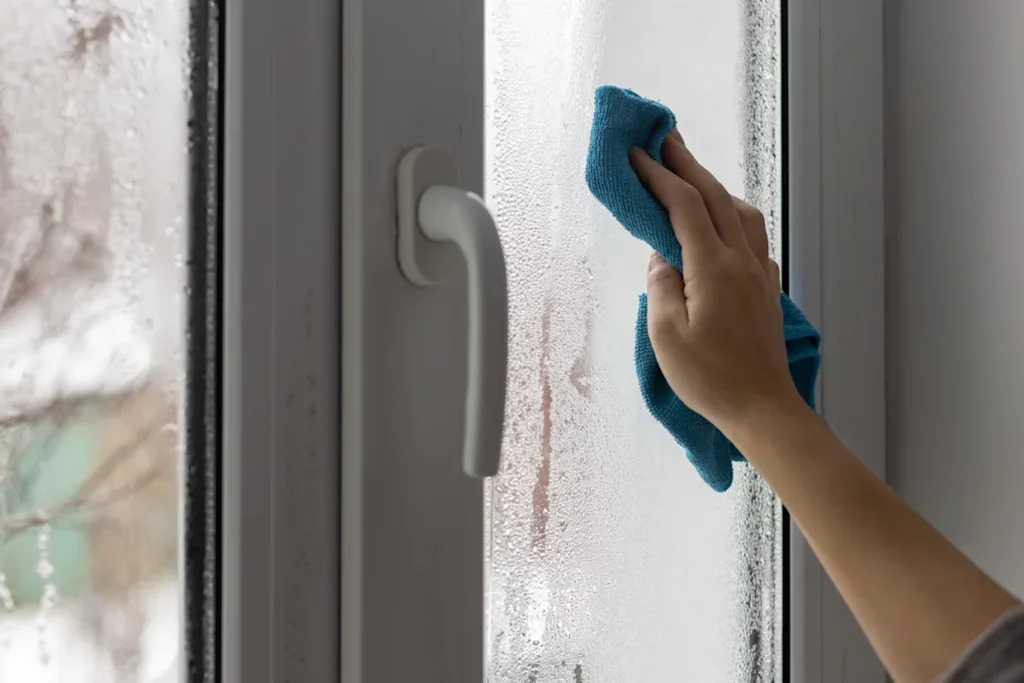
Air and moisture usually enter the picture indirectly. People notice them when something goes wrong – stale smells, dust that settles too fast, condensation on windows. Devices that deal with these issues don’t ask for attention. They just keep conditions steady, so problems don’t escalate into something that needs cleaning later.
This way of thinking isn’t new. It’s been standard practice in professional and industrial settings for years. What’s changing is that the same logic is finally becoming normal at home.
Source: uk.style.yahoo.com
Hybrid cleaning models are becoming the norm
One clear trend across the cleaning industry is hybridity.
Automation handles repetition. Humans step in for judgment, precision, and occasional deep intervention. Homes combine robots, smart appliances, low-impact technologies, and manual effort only where it still makes sense.
This is not a futuristic idea. It’s how commercial cleaning has worked for years – and how services like Raccoon Cleaning structure everyday work around maintenance rather than constant recovery.
Innovation changes expectations, not just tools
As cleaning technologies evolve, expectations shift with them.
Fewer interruptions. Less effort spent maintaining a baseline. The success of a cleaning gadget is measured not by how impressive it looks, but by how rarely it demands attention. The best innovations don’t add features. They remove friction.
The future of cleaning isn’t loud or dramatic. It’s quiet, automatic, and increasingly invisible.
Sensors replace guessing. Gadgets replace routines. Systems replace effort. Cleaning becomes something that supports daily life rather than competing with it. And once cleaning stops demanding attention, time becomes available for everything else – not because someone worked harder, but because technology learned to stay out of the way. That same principle sits behind how Raccoon Cleaners approach modern home maintenance.