
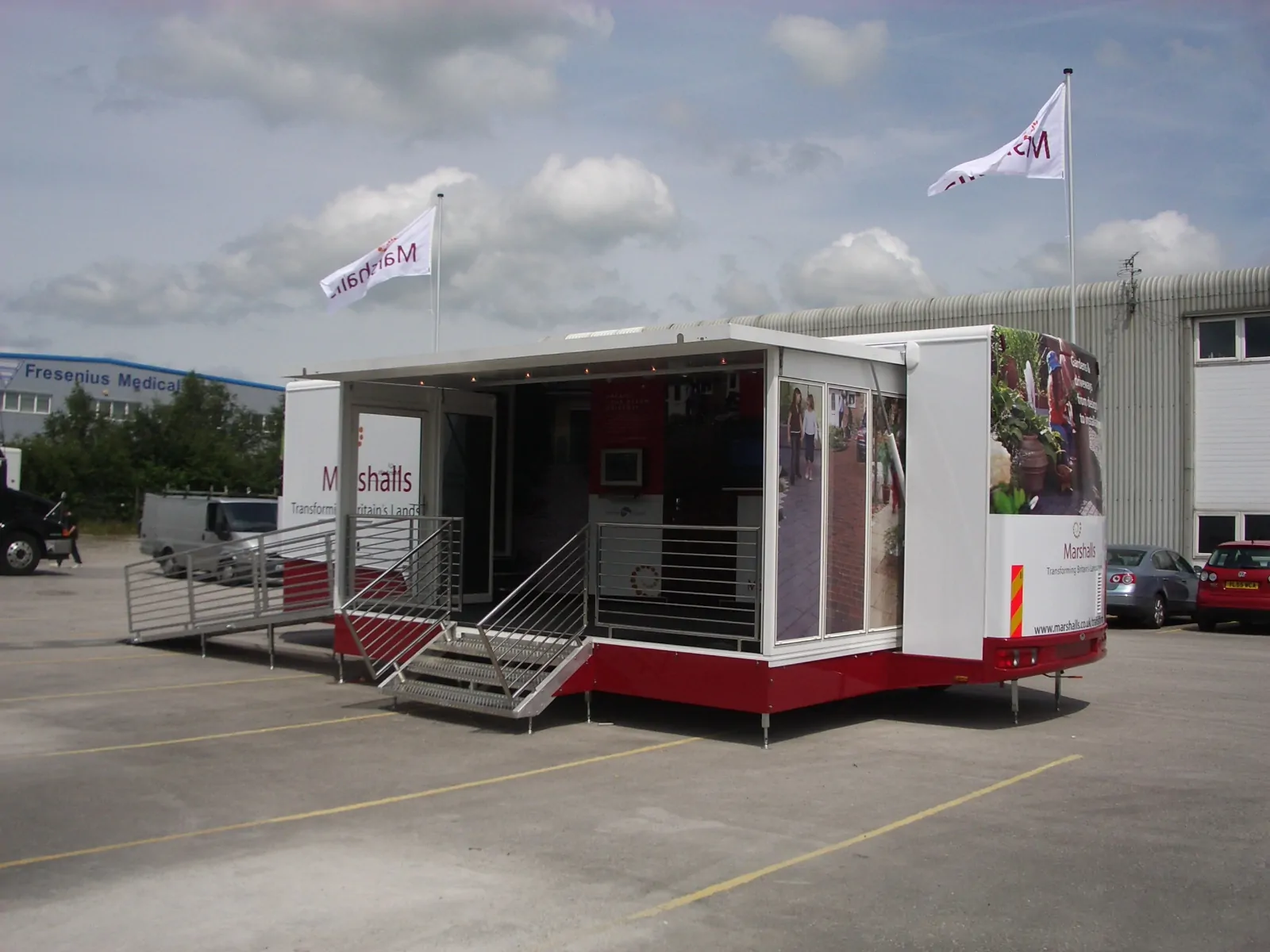
Businesses and organisations continue to look for flexible ways to engage audiences, especially when traditional venues may not suit every campaign or location. One solution that has become increasingly prominent is the use of mobile structures that can be transported, adapted, and deployed in varied environments. Among these, the exhibition trailer has become a versatile option for outreach, demonstrations, and targeted engagement.
Table of Contents
Evolution of Mobile Exhibitions
Public engagement strategies have changed considerably over the past decade. Conventional exhibition halls and conference centres remain valuable, yet they limit interaction to those who are willing and able to attend a centralised venue. This often excludes broader demographics and reduces spontaneity in audience reach.
Mobile units emerged as a response to these limitations. They allow organisations to take their message directly to communities, workplaces, campuses, and public spaces. As technology has advanced, these units have evolved far beyond simple transport vehicles, offering sophisticated environments tailored to the requirements of each campaign.
Mobility Meets Functionality
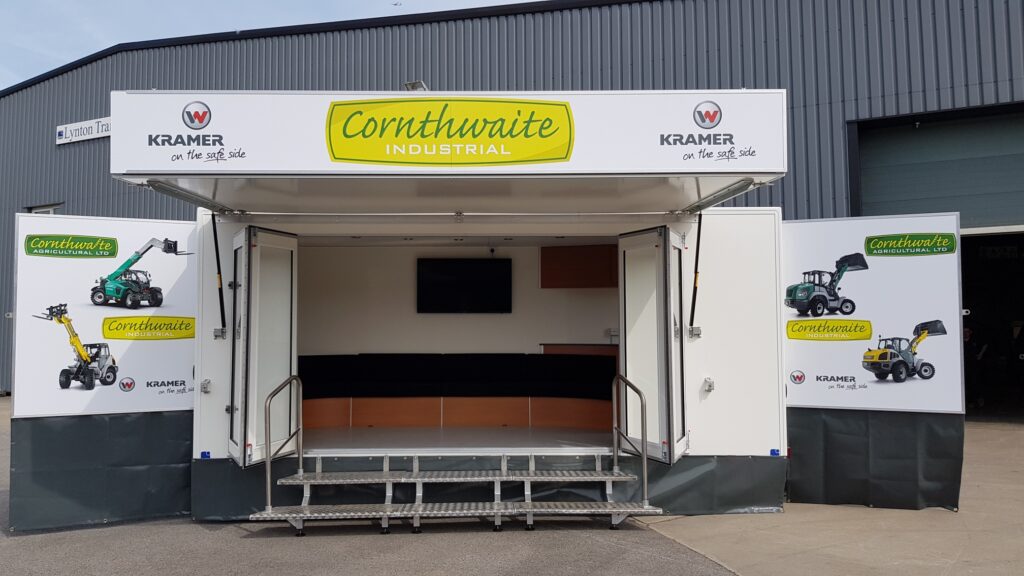
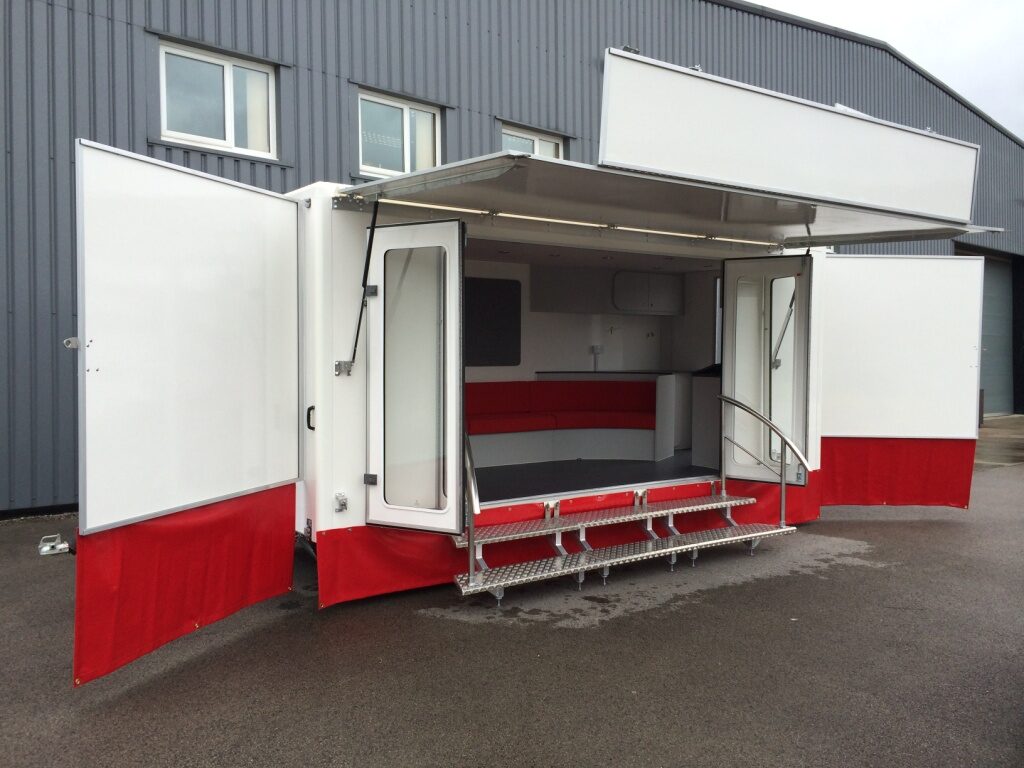
Early mobile displays were typically straightforward units with basic shelving and limited power. Today’s options incorporate full branding, climate control, lighting installations, multimedia screens, and sound systems. The result is a controlled, adaptable setting that mirrors a fixed exhibition stand yet travels wherever it is needed.
Structural Features and Practical Benefits
Source: multivehicletechnology.co.uk
Customisable Layouts
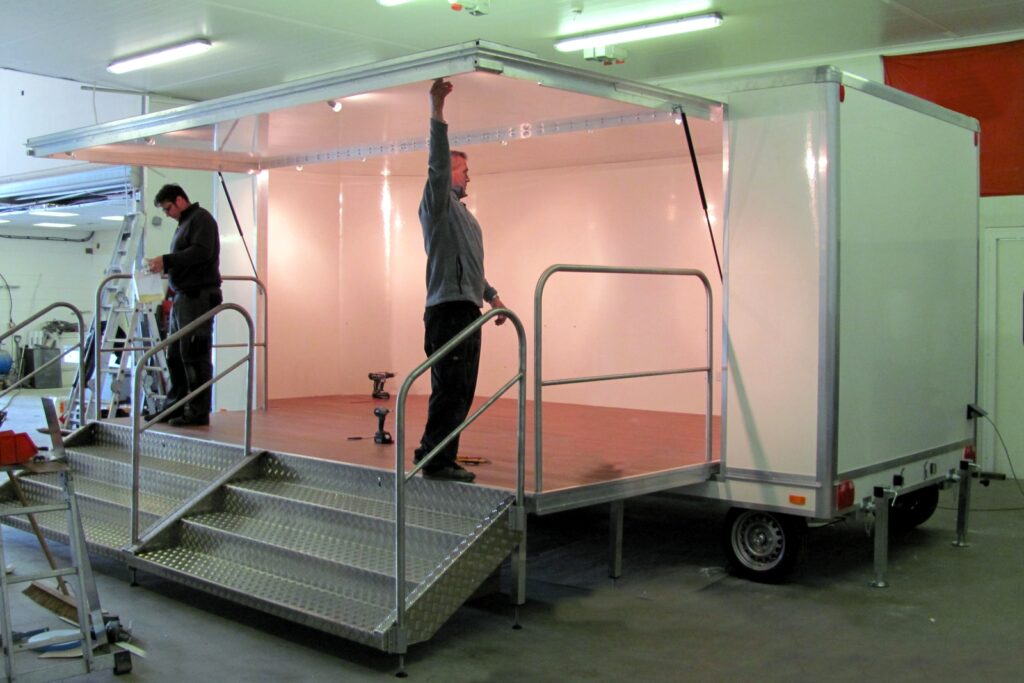
A key advantage of modern mobile units is the ability to customise the internal arrangement. Whether the aim is to display products, run hands-on demonstrations, offer seated presentations, or create an immersive multimedia space, the layout can be adapted to suit. Adjustable partitions, modular furniture, and integrated storage make it possible to reconfigure the setting quickly for different events or audience types.
On-Site Flexibility
Once deployed, the unit can operate as a standalone environment requiring minimal external infrastructure. Built-in generators, lighting, and audiovisual equipment mean teams can begin engaging visitors soon after arriving. This reduces logistical complexity and enables attendance at locations where traditional facilities are unavailable.
Weather-Resilient Engagement
Outdoor events often face uncertainty due to weather conditions. A mobile unit provides a sheltered, comfortable interior that keeps the experience consistent regardless of external factors. This reliability helps maintain visitor flow and ensures that demonstrations remain uninterrupted.
Applications Across Industries
Public Information and Awareness Campaigns
Government departments, charities, and public bodies frequently use mobile units to deliver information directly to communities. Health awareness roadshows, environmental initiatives, and local consultations benefit from increased visibility and accessibility. By situating the unit in high-footfall locations, these organisations reach individuals who may not seek out information independently.
Product Demonstrations and Technical Training
Industries with complex products or machinery often require hands-on demonstrations. A mobile space allows specialists to showcase equipment in a controlled environment without transporting visitors to a central facility. This is particularly useful in sectors such as engineering, medical devices, and telecommunications, where practical demonstrations enhance understanding.
Educational Outreach
Schools, universities, and outreach programmes use mobile units to supplement traditional teaching environments. Whether offering STEM workshops, art installations, or career guidance, a mobile hub supports interactive learning without requiring students to travel. The compact, self-contained setting also allows educators to create immersive experiences.
Planning an Effective Mobile Event Strategy
Selecting Suitable Locations
Successful mobile campaigns depend on thoughtful location planning. High-footfall areas such as town centres, business parks, transport hubs, and campus spaces maximise engagement. Organisers should also consider accessibility, permissions from local authorities, and proximity to target demographics.
Designing the Visitor Experience
Interior design directly influences how visitors interact with the content. Clear navigation pathways, engaging displays, and comfortable spaces help maintain attention. Multimedia installations, demonstrations, and opportunities for hands-on interaction enhance the memorability of the experience.
Staff Training and Operational Readiness
Personnel operating the mobile unit need to be confident not only in the campaign message but also in managing the space effectively. This includes familiarity with audiovisual equipment, visitor flow management, and health and safety protocols. Preparation ensures smooth operation and a positive impression for visitors.
The Continuing Importance of Mobility
Demand for flexible, transportable event solutions shows little sign of diminishing. As organisations increasingly strive to reach diverse audiences, mobility offers adaptability that fixed venues cannot match. With its ability to deliver controlled, branded environments across a wide range of locations, the exhibition trailer remains a practical and influential tool for modern engagement strategies.