
A Practical Guide to Choosing the Right Rechargeable Power Solution for Modern Devices


Modern devices demand more from their batteries than ever before. Smartphones, drones, wireless earbuds, medical monitors, handheld tools, IoT sensors, and wearables all rely on rechargeable power solutions that must be safe, compact, energy-dense, and long-lasting.
The concrete answer is this: the right rechargeable power solution is the one that fits your device’s power curve, operating environment, physical constraints, and safety requirements, not simply the one with the highest capacity or longest lifespan.
In practice, this means selecting a battery chemistry and configuration based on voltage stability, energy density, charge time, discharge profile, thermal behavior, cycle life, and integration needs.
Choosing correctly requires a grounded understanding of how each chemistry behaves, where each performs best, and what design tradeoffs you must accept.
Table of Contents
Understanding the Major Rechargeable Battery Chemistries
Rechargeable power solutions usually fall into several categories. Each has its own strengths and limitations. Below is a detailed table comparing the most commonly used modern chemistries:
|
Battery Type |
Energy Density |
Cycle Life |
Charging Speed |
Safety |
Best Use Cases |
| NiMH | Medium | Medium | Moderate | Very Safe | Toys, AA/AAA-powered devices, budget gadgets |
| Li-ion (cylindrical/prismatic) | High | Medium–High | Fast | Safe with protection circuits | Laptops, power tools, e-bikes |
| LiPo (Lithium Polymer) | Very High | Medium–High | Fast | Good when properly managed | Drones, wearables, slim electronics |
| LiFePO4 | Medium | Very High | Moderate | Extremely Safe | Solar systems, energy storage, and medical devices |
| Lead-Acid (AGM/Gel) | Low | Low | Slow | High | Automobiles, UPS systems, heavy equipment |
Each chemistry provides a different balance between safety, size, weight, cost, and performance. The goal is to match these tradeoffs to your device’s needs.
Key Factors to Consider When Selecting a Rechargeable Power Solution

Source: lipoly-battery.com
1. Energy Density vs. Physical Constraints
Devices like drones, smart glasses, and high-end smartphones require ultra-thin, ultra-light designs. Energy density becomes the primary factor. Lithium polymer cells are often used here because they can be molded into slim, flexible shapes without sacrificing power output.
Larger devices, such as tools, scooters, or medical monitors, have more room for standardized battery packs, allowing the use of more robust cylindrical Li-ion cells (like 18650 or 21700 formats) that balance energy density and durability.
2. Voltage Stability and Discharge Curve
Battery performance is not static. The voltage drops over time, often sharply near the end of a cycle. Some devices handle this well; others shut down early if voltage dips too quickly.
- Li-ion and LiPo offer stable discharge curves.
- NiMH experiences a more gradual decline.
- LiFePO4 stays very consistent until the final 5–10% of the charge.
Devices with sensitive electronics or strict voltage requirements should prioritize chemistries with a predictable curve.
3. Safety, Thermal Management, and Operating Environment
Safety is not optional. Devices exposed to heat, vibration, or physical stress require chemistries that tolerate abuse.
- LiFePO4 is the safest option.
- Standard Li-ion requires protection circuits.
- LiPo offers high performance but must be manufactured and used with care.
Heat is a major enemy of battery life. Operating a device in a hot car or under direct sunlight, like drones or action cameras, requires selecting a cell that handles elevated temperatures well.
4. Cycle Life and Long-Term Cost
Battery replacement costs can exceed the initial device cost in industrial or medical settings. Thus, cycle life matters.
- LiFePO4 can exceed 2000–4000 cycles.
- Standard Li-ion ranges from 300–1000.
- LiPo is typically in the 300–800 cycle range, depending on load and build quality.
If longevity is critical, raw capacity should be balanced with cycle endurance.
5. Charge Speed and Power Delivery
Fast charging is convenient but adds thermal stress. Devices requiring rapid deployment (e.g., field equipment, cameras) benefit from chemistries capable of higher C-rates.
- Li-ion and LiPo support fast charging.
- NiMH and lead-acid are slower and less efficient.
- LiFePO4 supports moderate fast charging but excels more in stability than speed.
Your workflow determines whether charging speed is a priority or simply a nice-to-have.
Why Lithium Polymer Is Often the Best Choice for Modern Electronics
Source: empteezy.co.uk
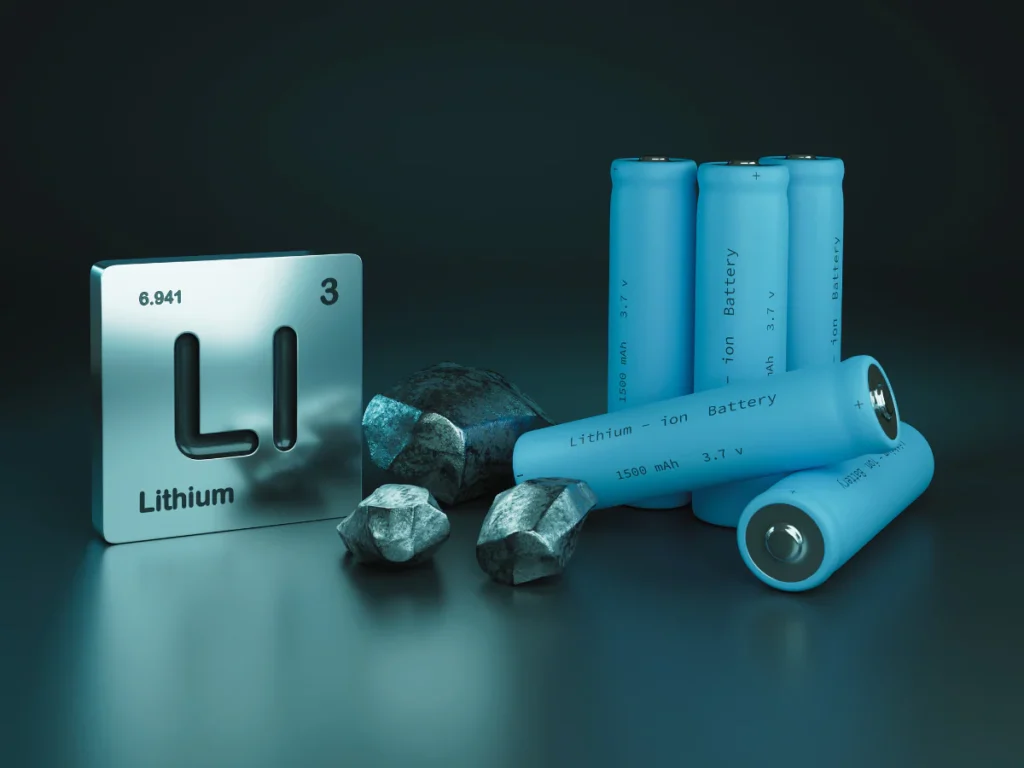
Lithium polymer cells have become the go-to solution for thin, lightweight, high-performance devices. They offer flexible form factors, strong energy density, and fast charging, all essential for today’s compact gadgets.
Somewhere in the middle of this article, it is important to address a key resource for anyone considering this chemistry. Many modern devices benefit directly from a high-quality lithium-ion polymer battery, especially where slim packaging, customizable shapes, or high discharge rates are needed. These cells adapt well to smart wearables, IoT modules, drones, and advanced consumer electronics.
LiPo chemistry provides superior weight-to-power ratios and can be manufactured in non-traditional shapes, making it crucial for designers who want maximum power without expanding device size.
Matching the Battery to the Device ─ Practical Scenarios
Below are real-world examples of matching battery types to device requirements, explained in human, practical terms.
1. Smartphones and Ultra-Thin Gadgets
These require slim profiles, high energy density, and reliable power curves. LiPo is ideal because it can be shaped to fit compact internal geometries. Stability and charging speed also matter because users cycle through battery charges daily.
2. Drones, RC Vehicles, and Robotics
These devices demand high discharge rates and very lightweight cells. LiPo again is the top option, but quality control is essential because low-grade packs can swell or overheat when pushed hard. Engineers often design custom LiPo packs to match specific current draw needs.
3. Laptops, Tools, and Mobility Devices
Cylindrical Li-ion cells (like 18650s) deliver strong energy density and long cycle life. They are mechanically robust, easy to replace, and excellent at handling high loads without significant swelling issues. Tools and e-bikes especially benefit from their durability.
4. Medical Devices, Industrial Sensors, and Backup Systems
Safety and predictability matter far more than raw power. LiFePO4 shines here thanks to thermal stability, long lifespan, and strong safety ratings, making it suitable for devices used around vulnerable populations or in mission-critical systems.

Source: deriyenergy.com
Final Thoughts
Choosing the right rechargeable power solution is less about picking the biggest battery and more about selecting the chemistry that aligns with the device’s purpose, design, and expected lifespan. LiPo and Li-ion remain the leaders in consumer electronics due to their balance of energy density, charge speed, and flexibility. LiFePO4 is the go-to for safety, stability, and long cycle life. NiMH and lead-acid maintain relevance only in niche or legacy applications.
By matching the battery’s behavior to the device’s demands, space constraints, discharge requirements, thermal environment, and user patterns, you create a system that performs reliably, lasts longer, and provides a better experience to the end user. In a world where devices continue shrinking while expectations grow, battery selection has become one of the most important design decisions any engineer or manufacturer can make.